A Surprising Garden Find That Changed My Morning Perspective
The day started with a sense of calm that made even the simplest habits feel meaningful. I stepped into the garden with my watering can, moving slowly from one plant to the next. The air was cool, the light was gentle, and everything felt familiar and peaceful.
As I worked, something unexpected caught my attention. A strong, unfamiliar smell drifted through the garden and made me pause. It wasn't the usual scent of flowers, soil, or fresh greenery. Instead, it was sharp and noticeable, standing out against the quiet morning atmosphere. My routine came to a halt as curiosity took over.
What followed was a small morning mystery that ended up teaching me something much bigger about how we respond to the unfamiliar.
Following the Scent
I followed the scent carefully, scanning the ground and nearby plants. At first, I assumed it might be decaying plant matter or something carried in by the wind. But what I noticed near the edge of a flowerbed didn't match those expectations.
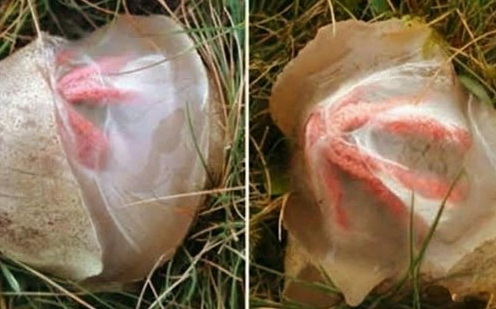
A small object sat at the base of the plants, clearly out of place and impossible to ignore. The sight immediately shifted the mood. The garden, which had felt comforting just moments earlier, now felt unfamiliar.
I kept a respectful distance, unsure of what I was looking at. The object didn't move, but its unusual shape and color made me cautious. I stood still for a moment, simply observing and trying to make sense of it. Curiosity eventually outweighed hesitation, and I leaned in slightly for a closer look. Even then, it didn't resemble anything I recognized.
There's something primal about encountering the unknown in a familiar place. Our brains are wired to notice what doesn't belong, and the alertness I felt was completely natural. But I've learned that the space between noticing and understanding is where the most interesting things happen.
Choosing Curiosity Over Fear
Rather than guessing, I decided to take a photo and look it up online. Searching for reliable information felt like the best way to understand what I was seeing.
This was a deliberate choice, and an important one. When we encounter something strange, our instinct is often to react: to remove it, to worry about it, or to assume the worst. Taking a photo and researching first meant pausing that instinct and replacing assumption with information.
Within minutes, the answer became clear. The object matched the description of a naturally occurring type of fungus that can appear suddenly, especially after moisture and mild temperatures. The information explained its strong smell, unexpected appearance, and why it often surprises gardeners. Everything I read lined up perfectly with what I had found.
That understanding brought a sense of relief. What had first felt strange and unsettling was simply part of a natural process. It wasn't a sign of a problem or poor care. It was just nature doing what it does best.
The Hidden World Beneath Our Gardens
What I found sent me down a fascinating path of learning about the fungal life that exists all around us, mostly invisible. Fungi are among nature's most important organisms, breaking down organic matter and returning nutrients to the soil. Without them, our gardens literally couldn't function.
Many fungi appear suddenly and dramatically, especially after rain or during mild, humid weather. Some produce strong odors as part of their reproductive strategy, attracting insects that help spread their spores. What smells strange to us is simply nature's clever engineering at work.
Gardeners encounter these surprises regularly: mushrooms overnighting in the lawn, slime molds painting mulch in bright colors, and oddly shaped fungi emerging from wood chips. Each one is a reminder that our gardens are living ecosystems, far more complex and active than they appear on the surface.
Understanding this transformed my reaction from unease to appreciation. The strange object wasn't an intruder. It was evidence of a healthy, functioning garden ecosystem doing exactly what it's supposed to do.
A Lesson in Perspective
With that perspective, the garden felt peaceful again. I put my phone away and took another look around. The plants were healthy, the soil looked rich, and nothing else had changed. The only real difference was how I viewed the moment.
What began as an interruption turned into a quiet lesson about patience and awareness. That unexpected discovery didn't ruin my morning. It reshaped it. It reminded me that unfamiliar sights or smells often feel unsettling simply because we don't yet understand them. Taking a moment to observe and learn can turn uncertainty into curiosity.
This is a pattern that extends far beyond gardening. How often do we encounter something unfamiliar in life and immediately assume it's a problem? A strange noise in the car, an unusual message from a friend, a change in routine: our first reaction is often worry. But as my garden taught me, the unfamiliar is frequently just the not-yet-understood.
Practicing Curious Observation
That morning inspired me to approach the unfamiliar differently, in the garden and beyond. Here's what I took away:
- Pause before reacting. Give yourself a moment between noticing something strange and deciding what it means.
- Observe carefully. Look closely, take notes or photos, and gather information before drawing conclusions.
- Research reliably. A quick search from a trusted source can turn anxiety into understanding in minutes.
- Respect what you don't know. Keeping a respectful distance, literally and figuratively, is wise until you understand what you're dealing with.
- Let curiosity lead. The shift from "what's wrong?" to "I wonder what this is?" changes everything about how an experience feels.
Returning to the Rhythm
By the time I returned to watering the plants, the steady rhythm of the routine had returned. The garden felt familiar once more, enriched by a small reminder that learning often hides within ordinary moments, waiting for us to notice.
There's a particular pleasure in resuming a routine after an interruption with new understanding. The watering can felt the same in my hand, the light was just as gentle, but I was different: slightly more knowledgeable, slightly more patient, slightly more aware of the hidden life thriving all around me.
That morning's surprise became one of my favorite garden memories, not despite the initial unease but because of it. The journey from confusion to understanding is one of life's quiet pleasures, available to anyone willing to pause, observe, and learn.
Frequently Asked Questions
What did the author find in the garden?
The author discovered a small, unusual-looking object with a strong, unfamiliar smell near the edge of a flowerbed. After photographing and researching it, they identified it as a naturally occurring type of fungus that appears suddenly, especially after moisture and mild temperatures.
Why do some fungi have strong smells?
Many fungi produce strong odors as part of their reproductive strategy. The smell attracts insects that help spread their spores. What seems strange to humans is simply nature's engineering at work.
Are sudden fungi in the garden a sign of a problem?
Usually not. Most garden fungi are harmless and indicate healthy soil biology. They break down organic matter and return nutrients to the soil, supporting plant health. They typically appear after rain or humid weather and disappear on their own.
What should you do if you find something unfamiliar in your garden?
Observe from a respectful distance, take a photo, and research it using reliable sources before reacting. Most unfamiliar garden finds turn out to be harmless natural phenomena. Avoid touching unknown fungi, and teach children the same caution.
What was the deeper lesson of the experience?
That unfamiliar things often feel unsettling simply because we don't yet understand them. Pausing to observe and learn can transform uncertainty into curiosity, in the garden and in life.