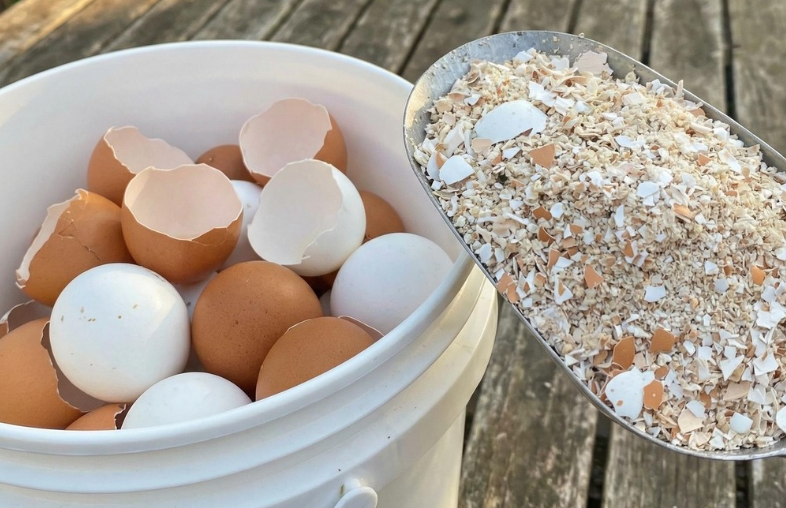
Eggshells are one of those everyday items most people throw away without a second thought. After cooking breakfast or baking a meal, the shells usually end up in the trash, seen as nothing more than kitchen scraps. However, with a small amount of preparation, eggshells can be repurposed into something surprisingly useful. Boiling them first makes them cleaner, safer to handle, and easier to reuse in a variety of practical ways around the home and garden.
Eggshells are naturally rich in calcium and have a firm structure that allows them to break down slowly. These qualities make them suitable for simple household tasks that do not require expensive tools or special products. Reusing eggshells is also an easy way to reduce waste and make better use of items that are already part of daily life.
How to Prepare Eggshells for Reuse
Before eggshells can be reused, proper cleaning is essential. Start by rinsing the shells thoroughly under running water to remove any remaining egg white or yolk. This step helps prevent odors and keeps the shells clean.
Next, place the rinsed shells into a pot filled with water. Bring the water to a gentle boil and allow the shells to simmer for ten to fifteen minutes. Boiling helps sanitize the shells and removes any remaining residue. After boiling, carefully drain the water and spread the shells out on a clean towel, plate, or baking sheet.
Allow the shells to dry completely. This may take several hours, depending on the environment. Once fully dry, the shells can be stored in a sealed container or jar until needed. Keeping them dry and clean makes them easier to crush or grind later and helps maintain proper hygiene.
Using Boiled Eggshells in the Garden
One of the most common uses for boiled eggshells is in gardening. Crushed shells can be mixed into garden soil or added to compost piles. Over time, they break down and release minerals that help improve soil structure and quality. Many gardeners appreciate this slow-release process because it supports long-term soil health.
Some people also scatter larger pieces of eggshells around plants, flower beds, or vegetable patches. The rough, uneven texture may help discourage certain crawling pests from moving too close to plants. While this method is simple, it is often used alongside other basic gardening practices.
Eggshells can also be used for starting seeds. Half-shells make small, biodegradable planting cups. By adding a little soil and placing seeds inside, you can grow seedlings indoors or on a windowsill. When the seedlings are ready to be transplanted, the entire shell can be placed into the ground, where it will gradually decompose and add nutrients to the soil.
Practical Uses Inside the Home
Boiled eggshells are not limited to outdoor use. Inside the home, finely crushed shells can serve as a gentle abrasive cleaner. When mixed with a small amount of dish soap and water, they can help remove residue from sturdy cookware, such as pots or baking trays.
Many households prefer this method because it reduces the need for disposable cleaning pads and chemical-based products. It is a simple option for those looking to keep their kitchens clean while using fewer commercial cleaners.
Important Things to Keep in Mind
Although eggshells have several practical uses, they should be handled thoughtfully. Their rough texture means they are not suitable for delicate surfaces that could scratch easily. Eggshells should also be viewed as a household reuse option rather than a substitute for professional advice or specialized products.
Using them in moderation and in appropriate situations ensures they remain a helpful addition to everyday routines rather than a source of damage or inconvenience.
A Simple Step Toward Reducing Waste
Reusing eggshells does not require much time or effort. A quick rinse, a short boil, and proper drying are enough to turn something normally discarded into a useful resource. Whether used in the garden, for seed starting, or for basic cleaning tasks, eggshells offer a practical way to reduce waste and make use of what is already available.
With a bit of care and creativity, eggshells can become more than kitchen leftovers. They can support a simple, efficient lifestyle while encouraging mindful habits that benefit both the home and the environment.