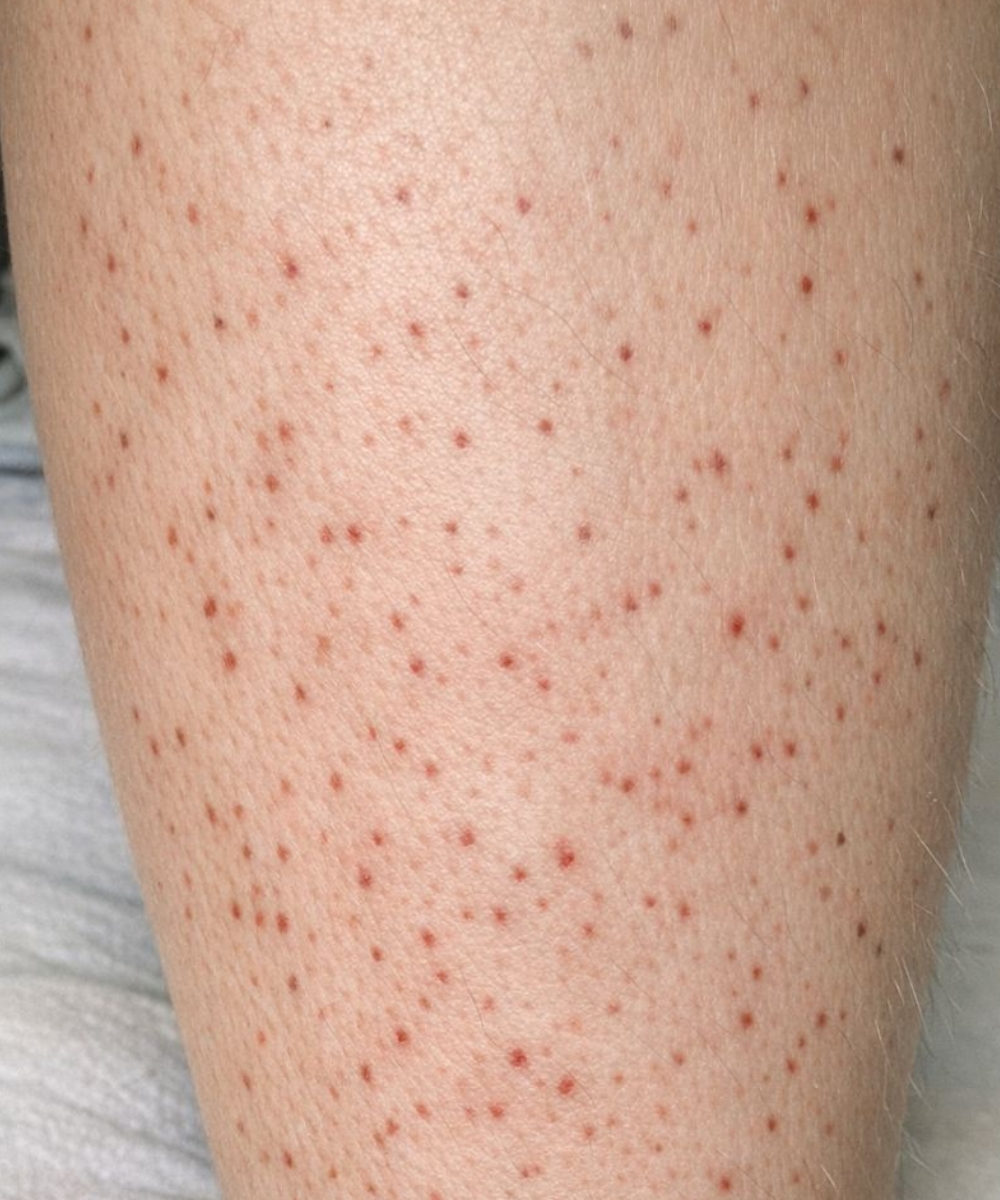
Seeing small red dots appear or gradually spread on the lower legs can be worrying, especially when a medical visit isn’t possible right away. These skin changes can come from a range of causes, many of which are mild, but they still deserve attention. Understanding what may be happening and how to care for your skin in the meantime can help reduce stress and prevent unnecessary worsening.
Before focusing on home care, it’s important to consider whether the situation could be urgent. If the spots appear suddenly in large numbers, follow an injury, or are accompanied by fever, swelling, severe pain, dizziness, or unexplained bleeding, medical care should be sought as soon as possible. Spots that quickly turn into large bruises or are linked to other unusual symptoms may indicate a more serious issue. When the dots are painless, develop slowly, and are not associated with other concerning signs, careful monitoring at home is often reasonable until professional care is available.
Small red or purplish dots on the lower legs are sometimes caused by tiny blood vessels leaking just beneath the skin. This can happen due to pressure, irritation, circulation changes, or mild inflammation. One possible explanation is Schamberg disease, a generally harmless condition related to capillary leakage that often affects the lower legs and causes reddish or brownish discoloration over time. Other possibilities include skin sensitivity, allergic reactions, or minor infections. Only a healthcare professional can confirm the cause, but awareness can help guide observation.
At home, gentle observation can be useful. Lightly pressing on a spot with a finger or a clear glass can sometimes help determine whether the redness is related to blood flow or surface irritation. Paying attention to changes in color, size, texture, or sensation such as itching can also be helpful. Taking clear photos in good lighting and noting the date can make it easier to track progression and share accurate information later.
Everyday factors can sometimes make these spots more noticeable or persistent. Long periods of standing or sitting may increase pressure in the lower legs, while tight socks, leggings, or footwear can irritate the skin. Heat and humidity may also worsen certain skin conditions, and newly introduced soaps, detergents, or lotions can sometimes trigger irritation or sensitivity.
Gentle skin care is usually the safest approach. Keeping the skin moisturized with a mild, fragrance-free product can support the skin barrier, while avoiding very hot showers or baths may help reduce irritation. Wearing loose, breathable clothing allows the skin to stay cool and comfortable. Products that are strong, heavily scented, or medicated should be avoided unless advised by a professional.
Lifestyle habits can also play a role. Elevating the legs while resting may help reduce pressure, and light movement such as walking can support circulation. Staying well hydrated and eating a balanced diet that includes fruits and vegetables may contribute to overall skin and vessel health.
Some over-the-counter options may provide temporary relief if symptoms such as itching or mild irritation are present. Antihistamines or low-strength hydrocortisone cream may help in certain cases, but they should be used sparingly and not for extended periods without guidance. Testing new products on a small skin area first can help avoid unexpected reactions.
Keeping a simple symptom record can be very useful. Writing down when the spots appeared, how they change, and what seems to make them better or worse can help a healthcare provider understand the situation more quickly. Photos taken over time often provide valuable context, especially for remote consultations.
If in-person care isn’t available, telehealth services or nurse advice lines may be an option. Many allow photo uploads and can help determine whether symptoms are likely to need urgent evaluation or can wait for a routine appointment.
Medical care should not be delayed if the spots spread rapidly, become painful, are associated with fever or weakness, or appear after starting a new medication. Sudden changes in appearance or general health always deserve prompt attention.
When you do see a healthcare provider, bringing your notes and photos can make the visit more productive. Clear information about what you’ve observed helps support accurate evaluation and appropriate next steps.