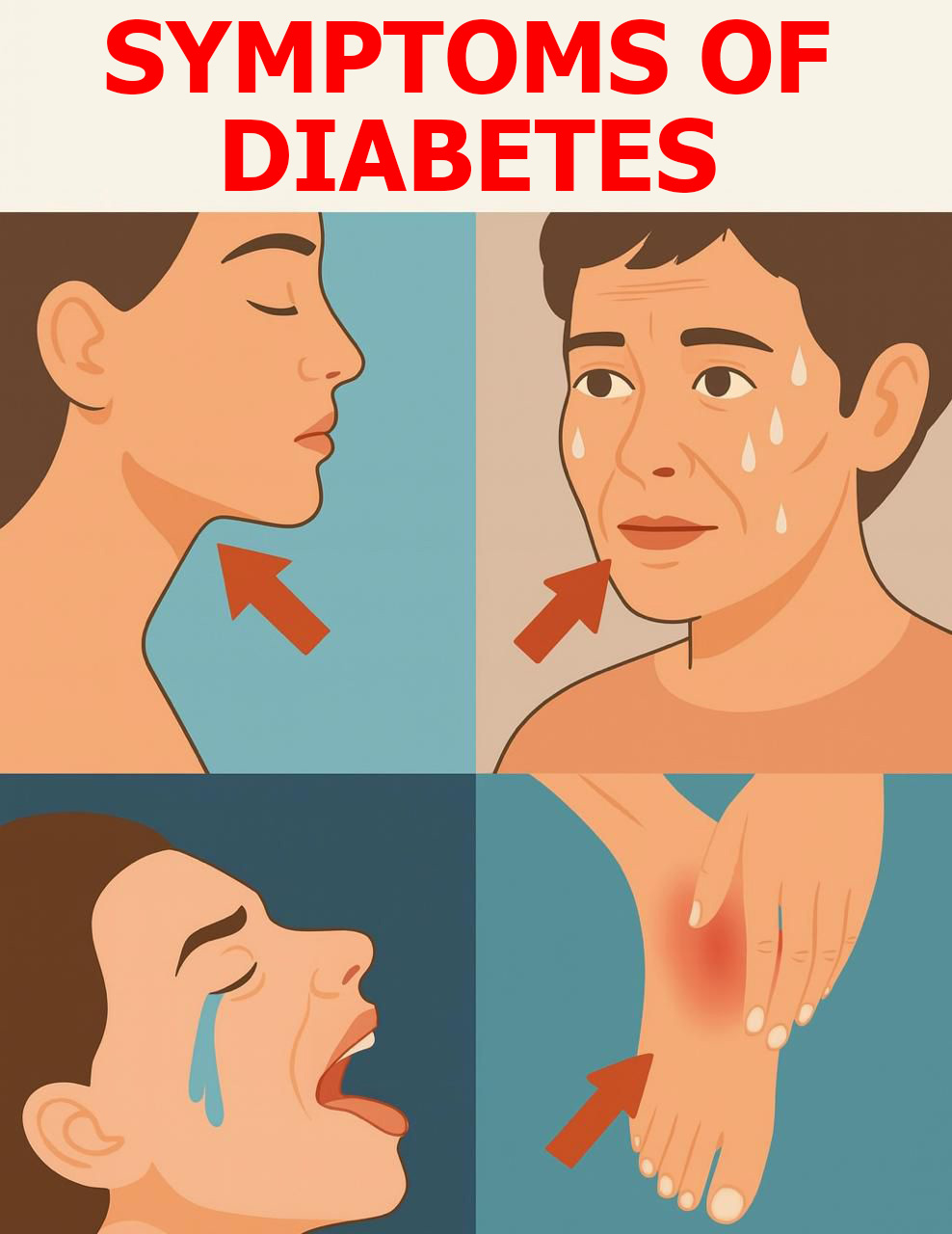
High blood sugar is often described as a “silent” condition because it can develop slowly and without noticeable symptoms at first. Many early changes in the body are easy to overlook or attribute to stress, aging, or lack of sleep. However, when blood glucose levels remain elevated over time, they can affect overall health.
Understanding what diabetes is, who may be at higher risk, and how high blood sugar can present itself can help you take proactive steps toward better health.
What Is Diabetes?
Diabetes is a long-term health condition that affects how the body processes glucose, a type of sugar found in the blood. Glucose is the body’s primary source of energy and comes from the foods we eat.
To move glucose from the bloodstream into the cells for energy, the body relies on a hormone called insulin.
Type 1 diabetes occurs when the body does not produce enough insulin. Type 2 diabetes occurs when the body becomes resistant to insulin or does not use it effectively.
When insulin does not work properly, glucose builds up in the bloodstream. Over time, persistently high blood sugar levels may impact the heart, kidneys, nerves, eyes, and blood vessels.
Who May Be at Higher Risk of Developing Diabetes?
While diabetes can affect people of all ages, certain factors may increase the likelihood of developing the condition.
Risk tends to increase with age, especially after 40, when physical activity levels may decrease and body weight can rise.
Excess body fat, particularly around the abdomen, is associated with insulin resistance, a major factor in Type 2 diabetes.
Having a close family member with diabetes may increase your risk.
A sedentary lifestyle with limited physical activity can make it harder for the body to regulate blood sugar effectively.
Women who experienced diabetes during pregnancy have a higher chance of developing Type 2 diabetes later in life.
High blood pressure and high cholesterol often occur together and may increase overall metabolic risk.
Women with polycystic ovary syndrome, also known as PCOS, may be more likely to experience insulin resistance.
Long-term stress and lack of adequate sleep can influence hormones that help regulate blood sugar.
Common Symptoms of High Blood Sugar
High blood sugar, also called hyperglycemia, does not always cause immediate symptoms. However, when levels remain elevated, some people may notice frequent urination, especially at night, increased thirst or dry mouth, ongoing fatigue, blurred vision, increased hunger, slow-healing cuts or wounds, recurring infections, tingling or numbness in the hands or feet, or unexplained weight changes.
If you experience several of these symptoms, especially if you fall into a higher-risk group, it may be helpful to speak with a qualified healthcare professional about appropriate testing.
Supporting Healthy Blood Sugar Levels
Maintaining balanced blood sugar involves a combination of healthy habits. Eating a well-balanced diet, staying physically active, managing stress, getting consistent quality sleep, and scheduling regular health check-ups all play an important role.
Early awareness and routine screenings can make a meaningful difference. By recognizing risk factors and responding to early signs, you can take informed steps to support long-term health and overall well-being.