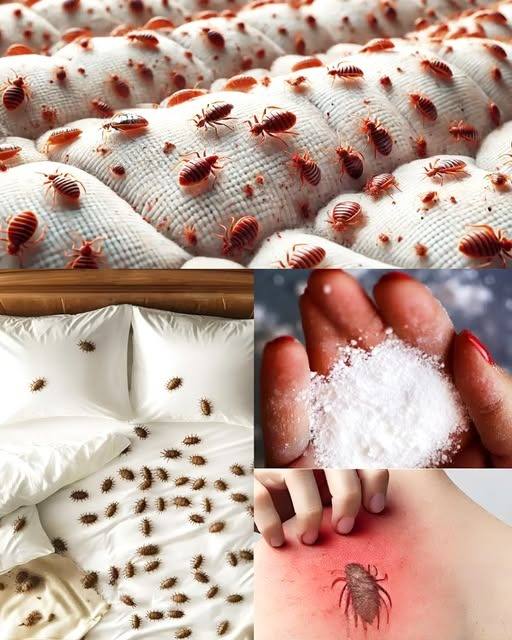
How to Get Rid of Bed Bugs Naturally at Home: Safe, Effective Tips
Bed bugs may be tiny, but they can quickly disrupt your comfort and peace of mind. These stubborn pests hide in hard-to-reach places, feed at night, and multiply rapidly once they settle in. While their presence can feel overwhelming, there are safe and natural ways to deal with them effectively, without relying on harsh chemicals.
This guide covers how to confirm you actually have bed bugs, the natural methods that work best, how to use them correctly, and when it is time to call a professional.
First: Make Sure They Are Bed Bugs
Before treating anything, confirm the diagnosis. Many people mistake carpet beetles, fleas, or even lint for bed bugs, and treating the wrong pest wastes time.
What bed bugs look like. Adults are about the size of an apple seed: flat, oval, reddish-brown, and wingless. After feeding, they swell and turn darker red. Nymphs (young bed bugs) are smaller and translucent. Eggs are tiny, white, and about the size of a pinhead.
Signs of an infestation:
- Small rusty or reddish stains on sheets and mattresses from crushed bugs
- Tiny dark spots (fecal matter) along mattress seams, about the size of a pen tip
- Pale yellow shed skins in hiding spots
- A musty, sweet odor in heavy infestations
- Itchy welts on skin, often in lines or clusters, appearing after sleep
Where to look. Check mattress seams, box spring edges, bed frame joints, headboard crevices, nightstand corners, baseboards near the bed, carpet edges, curtain folds, and even electrical outlets. Use a flashlight and a thin card to probe seams.
Note that bite marks alone are not proof. Many things cause itchy welts. Physical evidence of the bugs themselves is what confirms it.
Why Natural Methods Appeal to Many Households
Traditional chemical treatments do not always work long-term. Bed bug populations in many areas have developed resistance to common insecticides, which means sprays sometimes fail while still exposing your household to chemicals. Natural approaches avoid that concern and are often cheaper, using items you may already own.
That said, be realistic: natural methods work best on early, limited infestations and as part of a combined strategy. A severe, established infestation usually needs professional help. Natural does not mean weak, but it does mean thorough and persistent.
Method 1: Heat Treatment and Steam Cleaning
Heat is one of the most effective natural weapons against bed bugs. They cannot survive sustained high temperatures, and heat reaches into cracks and seams where sprays cannot.
Steam cleaning. Run a steam cleaner slowly over mattresses, box springs, bed frames, upholstery, carpets, and baseboards. Focus on seams, tufts, folds, and joints where bugs hide. Move slowly: about one inch per second gives the heat time to penetrate. The steam must reach roughly 130°F at the surface to kill bugs and eggs on contact.
Hot laundry. Wash bedding, clothes, curtains, and any washable items in hot water, then dry on the highest heat setting for at least 30 minutes. Heat from the dryer is what does the killing, so do not skip the high-heat dry cycle.
For items you cannot wash. Pillows, stuffed animals, and delicate items can go in the dryer on high heat for 30 minutes. Books and electronics can be sealed in bags and placed in a hot car on a sunny day, though this is less reliable.
Method 2: Food-Grade Diatomaceous Earth
Food-grade diatomaceous earth (DE) is a fine natural powder made from fossilized algae. It kills bed bugs mechanically rather than chemically: the microscopic sharp particles damage the bugs' waxy outer coating, causing them to dehydrate over several days.
How to use it correctly:
- Buy only food-grade DE, not pool-grade, which is processed differently and unsafe for this use.
- Wear a dust mask during application. The powder is non-toxic but irritating to breathe.
- Apply a light, barely visible dusting, not piles. Bugs avoid thick piles but walk through fine layers.
- Target bed frame joints, baseboards, carpet edges, under furniture, and wall voids.
- Leave it in place for at least a week, then vacuum and reapply if activity continues.
DE works slowly, over days to weeks, so treat it as a long-term barrier rather than a quick fix. Keep it dry: moisture ruins its effectiveness.
Method 3: Thorough Vacuuming
A vacuum with strong suction physically removes bugs, nymphs, and eggs from surfaces. It is one of the most underrated tools in bed bug control.
- Use a crevice attachment on mattress seams, bed frame joints, baseboards, carpet edges, and furniture cracks.
- Vacuum slowly and repeatedly over infested areas.
- Immediately empty the vacuum into a sealed bag and dispose of it outside, or empty a bagless canister into a sealed bag.
- Vacuuming does not kill eggs reliably, so repeat every few days to catch newly hatched nymphs.
Method 4: Mattress Encasements and Clutter Control
Mattress and box spring encasements. Zip-up encasements designed for bed bugs trap any bugs inside, where they eventually die, and prevent new ones from hiding in the mattress. They also make future inspections far easier because the smooth surface shows evidence clearly. Keep encasements on for at least a year.
Declutter. Bed bugs thrive in clutter because it gives them endless hiding spots near the bed. Remove piles of clothes, papers, and boxes from the bedroom. Less clutter means fewer hiding places and easier treatment.
Method 5: Essential Oils as a Support Strategy
Essential oils like lavender, tea tree, peppermint, and eucalyptus are often used as gentle repellents. You can make a simple spray by mixing about 15 to 20 drops of oil with water and a splash of witch hazel or rubbing alcohol in a spray bottle, then applying it to bed frame edges, baseboards, and luggage.
Be honest about what this does: oils may repel and discourage, but they do not reliably kill established infestations. Use them as a supporting measure alongside heat, vacuuming, and DE, not as a replacement. Also, keep concentrated oils away from pets, especially cats, and test fabrics for staining first.
Preventing Reinfestation
Getting rid of bed bugs is only half the battle. These habits keep them from coming back:
- Inspect hotel rooms when traveling: check mattress seams and headboards before unpacking, and keep luggage on racks, not the floor.
- Quarantine secondhand furniture. Inspect and treat used mattresses, couches, and wooden furniture before bringing them inside.
- Dry travel clothes on high heat immediately after trips.
- Seal cracks in baseboards and around outlets near sleeping areas.
- Use bed leg interceptors. These small cups trap bugs climbing up or down bed legs and double as early-warning monitors.
When to Call a Professional
Natural methods have limits. Call a licensed pest control professional if:
- The infestation has spread to multiple rooms.
- You have treated thoroughly for several weeks with no improvement.
- You live in an apartment building, where bugs travel between units and coordinated treatment is needed.
- Anyone in the home has severe reactions to bites.
- You simply cannot find where they are hiding.
Professionals have access to whole-room heat treatments and targeted methods that go beyond what DIY can achieve. There is no shame in calling one; bed bugs are notoriously difficult even for experts.
Frequently Asked Questions
Can bed bugs make you sick?
Bed bugs are not known to transmit diseases to humans. Their bites can cause itching, welts, and in some people allergic reactions or secondary skin infections from scratching, plus significant stress and lost sleep.
How fast do they multiply?
A single female can lay hundreds of eggs in her lifetime, and populations can double in a matter of weeks under good conditions. That is why early action matters so much.
Do natural methods really work?
Heat, vacuuming, encasements, and DE are all genuinely effective when applied thoroughly and persistently. They work best combined and started early. No single natural method is a magic bullet.
Should I throw away my mattress?
Usually not. Encasements and steam treatment save most mattresses. Only discard heavily infested items that cannot be treated, and wrap them in plastic before carrying them out so bugs do not spread.
How long does it take to get rid of them?
With consistent effort, a small infestation can be eliminated in a few weeks. Larger ones take months. Monitor with interceptors for several weeks after the last sign of activity before declaring victory.
Dealing with bed bugs is stressful, but it is a solvable problem. Start with identification, combine heat, vacuuming, and barriers, stay persistent, and do not hesitate to bring in a professional when the situation calls for it. A calm, methodical approach beats panic every time.
This article is for informational purposes only and is not medical advice. Please consult a qualified professional.