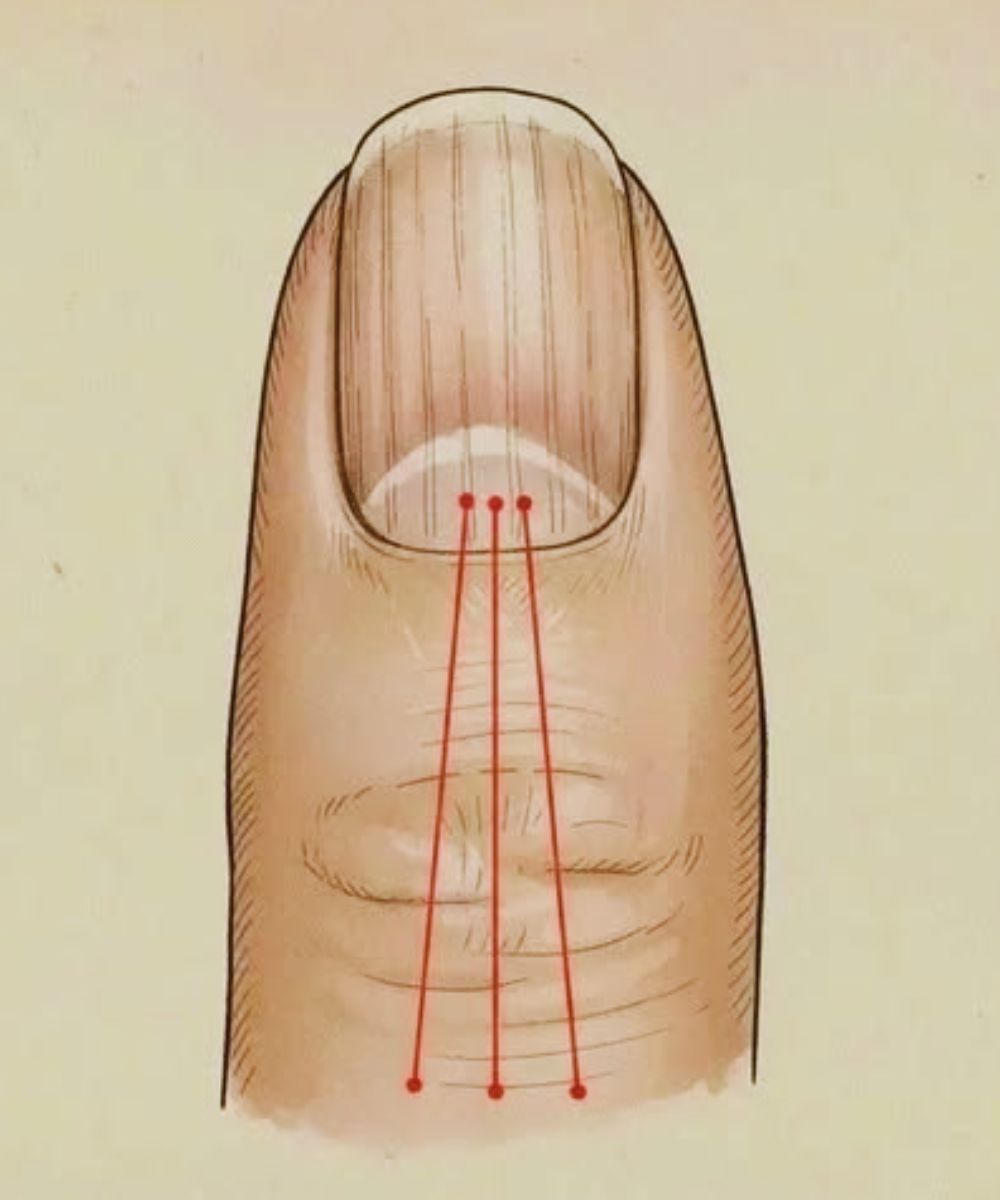
It may start with a faint line on a nail—something easy to overlook. Over time, however, small changes in nail texture, strength, or color can become more noticeable. While vertical ridges on fingernails are common and often a natural part of aging, more pronounced changes can sometimes reflect nutritional imbalances.
The good news is that everyday eating habits can play an important role in supporting nail health. By focusing on a balanced, nutrient-rich diet, it’s possible to improve nail strength, smoothness, and overall appearance.
Why Nail Health Matters
Nails are made primarily of keratin, a structural protein. Their condition can be influenced by factors such as diet, hydration, and general wellness. When the body receives the nutrients it needs, nails are more likely to grow stronger and look healthier over time.
Key Nutrients for Healthier Nails
Protein: The Foundation of Nail Strength
Protein provides the building blocks for keratin production. Without enough protein, nails may become weak or prone to breaking.
Good sources include eggs, lean meats like chicken and turkey, fish, dairy products such as yogurt, and plant-based options like beans, lentils, and tofu. Including a protein source in each meal can help support consistent nail growth.
Biotin (Vitamin B7): Supporting Nail Thickness
Biotin plays a role in maintaining healthy nails by supporting keratin structure. A diet that includes biotin-rich foods may help improve nail strength over time.
Foods naturally rich in biotin include cooked eggs, nuts like almonds and walnuts, sweet potatoes, leafy greens, and fish such as salmon.
Iron: Helping Deliver Oxygen to Cells
Iron supports the transport of oxygen throughout the body, including to the cells involved in nail growth. Low iron levels can sometimes affect nail strength and appearance.
Iron-rich foods include lean meats, legumes like lentils and chickpeas, seeds, and dark leafy greens. Pairing plant-based iron sources with vitamin C–rich foods can help improve absorption.
Zinc: Supporting Growth and Repair
Zinc contributes to cell growth and repair, which are essential for maintaining healthy nails. Regular intake helps support steady nail development.
You can find zinc in foods such as meat, poultry, nuts, seeds, and whole grains like oats and quinoa.
Omega-3 Fatty Acids: Promoting Moisture and Flexibility
Healthy fats help maintain hydration in the nail bed, which can improve flexibility and reduce brittleness.
Sources include fatty fish like salmon and sardines, as well as plant-based options like chia seeds, flaxseeds, walnuts, and avocados.
Hydration: A Simple but Important Step
Staying hydrated supports overall skin and nail health. Drinking enough water, along with consuming water-rich foods like fruits and vegetables, helps maintain nail flexibility and resilience.
When to Pay Closer Attention
While many nail changes are harmless, it’s important to be aware of more significant or sudden changes. If you notice unusual discoloration, discomfort, or rapid changes in nail shape or texture, it’s a good idea to consult a qualified healthcare professional for guidance.
A Balanced Approach to Nail Care
Improving nail health is often a gradual process. Consistent nutrition, proper hydration, and gentle nail care can all contribute to better results over time. Simple habits—such as trimming nails carefully, moisturizing regularly, and avoiding harsh chemicals—can make a noticeable difference.
Final Thoughts
Healthy nails often reflect overall well-being. By focusing on nutrient-rich foods and balanced daily habits, you can support stronger, smoother nails naturally. With patience and consistency, small improvements can lead to lasting results.