Health concerns don’t always begin with obvious or alarming symptoms. In many cases, the body sends small, easy-to-miss signals long before a condition becomes serious. Whether it’s digestive discomfort or unexpected skin irritation, paying attention early can make a meaningful difference.
Understanding Unusual Discomfort in Sensitive Areas
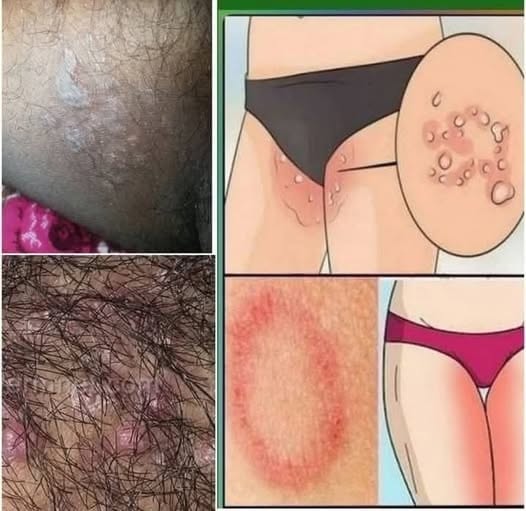
An itch, mild burning sensation, or small bumps in the groin area may seem like a minor inconvenience. Many people assume these issues are caused by sweat, tight clothing, or routine grooming habits. While that can often be true, persistent or worsening symptoms may point to something that needs closer attention.
Instead of ignoring these signs, it’s helpful to understand what might be causing them and how to respond safely.
Why the Groin Area Is Prone to Irritation
The groin is naturally warm and often experiences friction, making it more sensitive to irritation. Factors like moisture, shaving, and tight fabrics can all contribute to skin issues in this area.
Here are two common causes:
Ingrown Hairs: A Frequent Cause of Bumps
Ingrown hairs develop when hair grows back into the skin instead of outward. This can lead to small, raised bumps and discomfort.
Common causes include:
-
Close or frequent shaving
-
Wearing tight or non-breathable clothing
-
Naturally coarse or curly hair
Typical signs:
-
Small red or pink bumps
-
Pimple-like spots that may contain fluid
-
Mild itching or tenderness
Helpful care tips:
-
Apply a warm compress to soothe the area
-
Use gentle exfoliation to reduce buildup
-
Avoid shaving until the skin heals
If symptoms become more severe, seeking medical advice is recommended.
Folliculitis: Irritated Hair Follicles
Folliculitis occurs when hair follicles become inflamed, often due to bacteria, yeast, or friction.
Possible triggers:
-
Shaving or waxing
-
Tight clothing or synthetic fabrics
-
Prolonged moisture from sweat
-
Exposure to poorly maintained water environments
Signs to watch for:
-
Clusters of small bumps
-
Itching or burning sensations
-
Increased skin sensitivity
Simple prevention steps:
-
Keep the area clean and dry
-
Wear loose, breathable fabrics
-
Use gentle skincare products
If the condition persists or worsens, a healthcare provider may recommend appropriate treatment.
When to Pay Closer Attention
Most cases of mild irritation can be managed with proper care. However, ongoing or recurring symptoms may indicate underlying concerns such as infections or other skin conditions. In these situations, professional guidance is the safest approach.
A Broader Perspective on Health Awareness
Your body often communicates through subtle changes. Whether it’s digestive discomfort, fatigue, or skin irritation, these signals should not be overlooked. Staying informed and responding early can help maintain overall well-being.
Final Thoughts
Small symptoms can sometimes point to bigger health concerns, but they are often manageable when addressed early. If you notice persistent discomfort, unusual changes, or symptoms that don’t improve, it’s wise to seek professional advice.
Taking simple steps today—like paying attention to your body and practicing good hygiene—can help prevent more serious issues in the future.