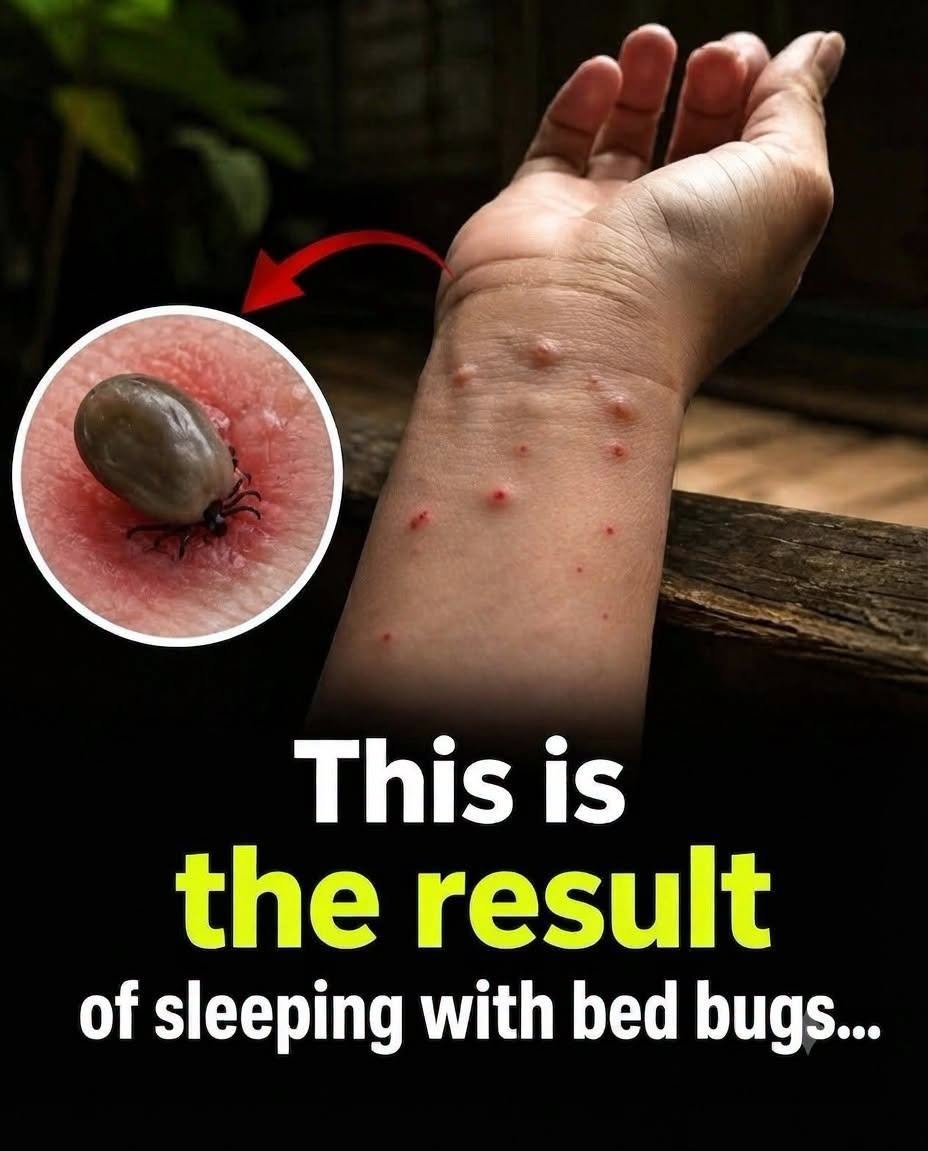
Bed bugs are tiny household pests that can be surprisingly difficult to spot. Although they are small, an infestation can interfere with sleep, cause skin irritation, and create considerable stress for people living in the home.
The good news is that learning the common warning signs can make it easier to recognize a possible infestation early.
Where Bed Bugs Commonly Hide
Bed bugs are reddish-brown insects that feed on blood and are generally most active at night. During the day, they often remain hidden in places where they are difficult to see.
Common hiding places include mattresses, bed frames, furniture, carpets, cracks, and small gaps around sleeping areas.
Because they can fit into very narrow spaces, simply looking at the surface of a mattress may not always reveal an infestation. Checking seams, edges, joints, and nearby furniture can provide additional clues.
Itchy Bites Can Be One Warning Sign
One of the more noticeable signs associated with bed bugs is the appearance of itchy red bumps on the skin.
These marks may appear in small groups or lines and are often noticed on areas that remain uncovered while sleeping, such as the arms, legs, neck, or shoulders.
However, bites alone cannot confirm the presence of bed bugs. People can react differently to insect bites, and some individuals may have little or no visible skin reaction.
For that reason, it is useful to look for additional signs around the bedroom rather than relying only on skin irritation.
Check Your Bedding for Unusual Marks
Small stains or dark spots on bedding can sometimes provide another clue.
Rust-colored or reddish stains may appear when a bed bug is accidentally crushed during sleep. Tiny dark spots may also be visible on mattresses, sheets, or nearby surfaces.
When inspecting the bed, pay particular attention to mattress seams, corners, folds, and the area around the bed frame.
Look for Shed Skins or Live Bugs
Bed bugs go through several stages of development and can leave behind shed skins as they grow.
Finding these skins, eggs, or live insects around a sleeping area may be a stronger indication of an infestation than bites alone.
A careful inspection with a flashlight can make small signs easier to notice, especially around mattress seams, bed-frame joints, cracks, and other protected areas.
Bed Bugs Can Affect Sleep and Comfort
An infestation can be stressful even when the physical effects are relatively mild.
People who are worried about being bitten may have difficulty sleeping or may repeatedly check their bed during the night. The concern can also lead to anxiety or embarrassment, particularly when someone is unsure where the insects came from.
Addressing the problem early can help reduce both the practical and emotional disruption caused by an infestation.
Are Bed Bug Bites Dangerous?
Bed bug bites are generally not considered dangerous, and bed bugs are not known to spread diseases to people.
However, repeatedly scratching irritated areas can damage the skin and may increase the possibility of a secondary skin infection.
If a bite or skin reaction becomes unusually painful, swollen, infected-looking, or persistent, it is sensible to speak with a healthcare professional rather than assuming the cause is a bed bug.
What to Do If You Suspect Bed Bugs
If you find several signs that point toward bed bugs, taking action promptly can help prevent the problem from becoming more difficult to manage.
Wash washable bedding and clothing using hot water when appropriate for the fabric, and use a high-heat dryer setting when the item’s care instructions allow it.
Thorough vacuuming can also help remove insects and debris from mattresses, floors, furniture, and cracks. Reducing clutter around sleeping areas can make inspection and treatment easier.
For an established infestation, professional pest-control treatment may be necessary. Bed bugs can be difficult to eliminate completely because they can hide in areas that are easy to overlook.
How to Reduce the Risk of Bed Bugs
A few simple habits can help reduce the chance of bringing bed bugs into your home.
When staying in a hotel or other temporary accommodation, inspect the sleeping area and keep luggage elevated rather than placing it directly on the floor or bed when possible.
After traveling, checking luggage and clothing before putting everything away can also be helpful.
Secondhand furniture deserves extra attention as well. Inspect mattresses, upholstered furniture, bed frames, and other used items carefully before bringing them indoors.
Early Detection Makes a Difference
Bed bugs can remain hidden for some time, which is why paying attention to small clues can be useful.
Itchy marks, unusual stains on bedding, dark spots, shed skins, and visible insects are among the signs worth investigating. No single clue necessarily proves that bed bugs are present, but several signs together can justify a closer inspection.
If you suspect an infestation, acting early can make the situation easier to manage and help restore a clean, comfortable sleeping environment.