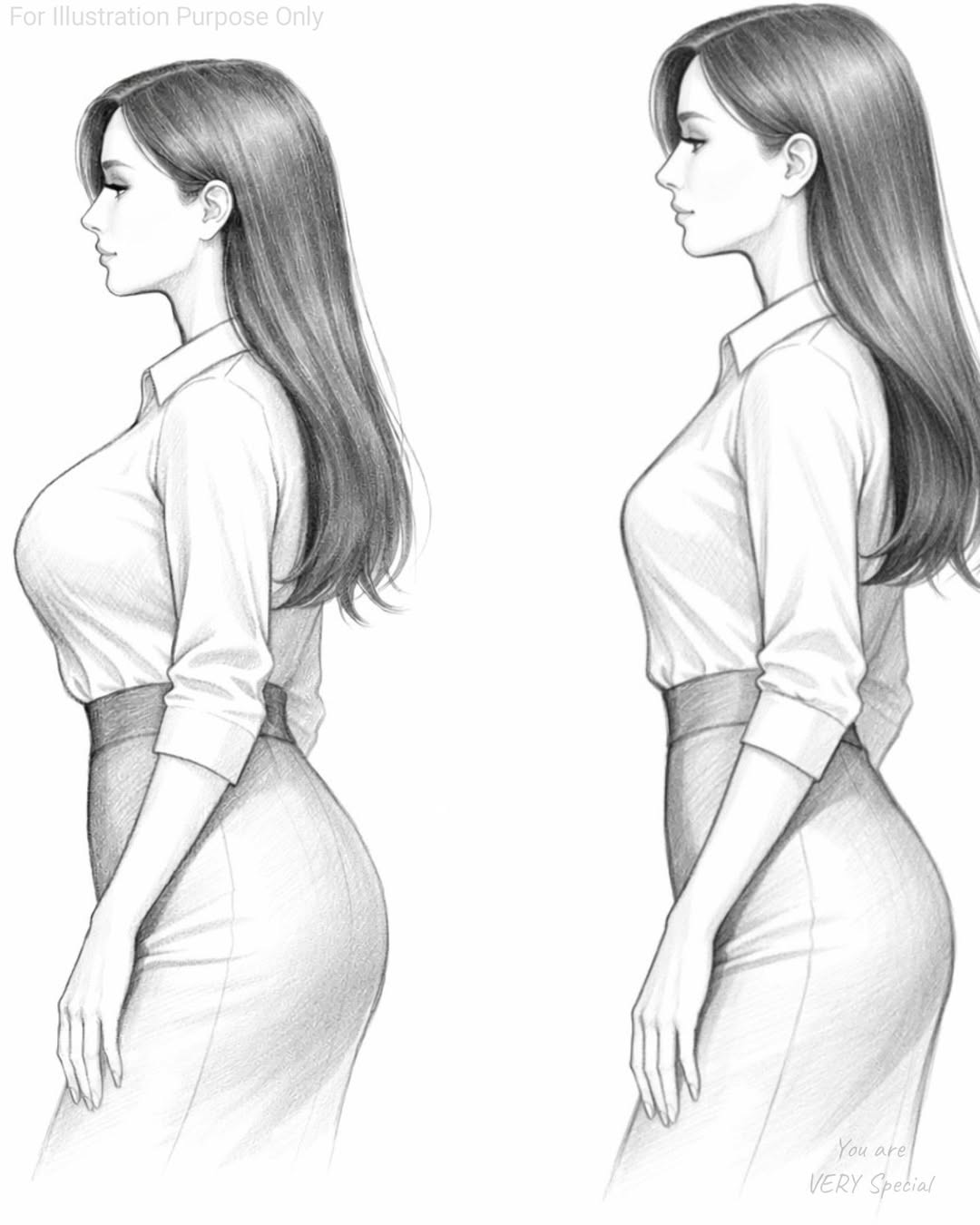
Breast size is influenced by a variety of natural factors, including genetics, hormones, age, body composition, and daily lifestyle habits. These elements work together in complex ways, which is why there is such a wide and healthy range of breast sizes among women.
While modern culture often places strong emphasis on physical appearance, it’s important to understand that breast size does not define a woman’s health, fertility, strength, or femininity. Common myths such as the idea that smaller breasts indicate poor health or that larger breasts are a sign of better well-being are not supported by medical research.
Hormones play a key role in shaping breast tissue throughout life. During stages such as puberty, pregnancy, breastfeeding, and menopause, hormonal changes particularly involving estrogen and progesterone can lead to natural changes in breast size and shape. These shifts are completely normal and reflect the body’s natural development and aging process. Over time, factors like reduced skin elasticity and changes in tissue density may also affect firmness and appearance.
Because breasts are largely made up of fatty tissue, changes in body weight can influence their size. Weight gain may increase breast volume, while weight loss can reduce it. This connection highlights that overall body composition rather than breast size alone is what truly matters for health. Some studies have explored links between larger breast size and certain conditions such as back discomfort or metabolic issues, but these associations are typically related to overall body weight rather than breast tissue itself.
Instead of focusing on physical features, prioritizing healthy lifestyle habits is far more beneficial for long-term well-being. Eating a balanced diet rich in fruits, vegetables, whole grains, lean proteins, and healthy fats supports overall health. Staying physically active helps improve circulation, strength, and fitness. Getting enough sleep allows the body to recover properly, while managing stress through relaxation techniques or time outdoors contributes to both mental and physical balance.
Some individuals explore natural ways to support hormone balance, including herbal teas or plant-based supplements like sage or maca root. While these options are widely discussed, they should be approached with caution. Not all supplements are suitable for everyone, especially for those with existing health conditions or those taking medications. Consulting a healthcare professional before trying new supplements is a safe and responsible step.
Emotional well-being is closely tied to how we perceive our bodies. Comparing yourself to unrealistic standards can create unnecessary pressure and reduce self-confidence. Every body is unique and shaped by genetics and personal experiences. Learning to accept and care for the body as it is can help build genuine confidence.
Breast size is simply one aspect of physical appearance and does not define health or personal value. True well-being is reflected in balanced hormones, strong immunity, steady energy levels, and emotional resilience. By focusing on healthy habits, self-care, and body acceptance, women can support lasting health and confidence beyond physical appearance.