
In the rapidly growing city of Hangzhou, an enormous residential complex known as Regent International has gained global attention for its remarkable scale and modern urban design. Built to accommodate up to 30,000 residents, the massive S-shaped structure currently houses around 20,000 people, making it one of the most densely populated residential buildings in the world.
Designed by architect Alicia Loo, who is also known for work connected to the famous Marina Bay Sands, the 675-foot-tall complex was created to function as a self-contained community. The idea behind the project is to provide residents with convenient access to everyday services without needing to travel far from home.
Inside the building, residents can find a wide variety of amenities, including restaurants, supermarkets, swimming pools, fitness areas, beauty salons, and other essential services. This “city within a building” concept has become especially popular among students, young professionals, and people looking for affordable housing in a busy urban area.
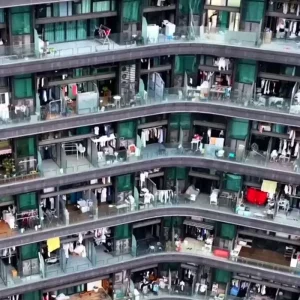
Rental prices are considered relatively affordable compared to many large cities, with monthly costs typically ranging from around $200 to $600 depending on the size and type of apartment. The convenience and accessibility of the complex continue to attract thousands of residents each year.
At the same time, the building has sparked conversations about the challenges of high-density living. Some people have raised concerns about privacy, limited outdoor space, and the experience of living among so many neighbors in one structure. However, many apartments include balconies and shared community areas that help create a more comfortable living environment.
Supporters of the project view it as an innovative response to modern urban housing demands, especially in fast-growing cities where space is limited. By combining residential units with shopping, dining, and recreation in one location, Regent International reflects a growing trend toward compact and highly efficient city living.
As cities around the world continue to expand, developments like Regent International may offer insight into how future urban communities could be designed to balance convenience, affordability, and sustainability.