Find the 14 Differences Puzzle: Can You Spot Them All?
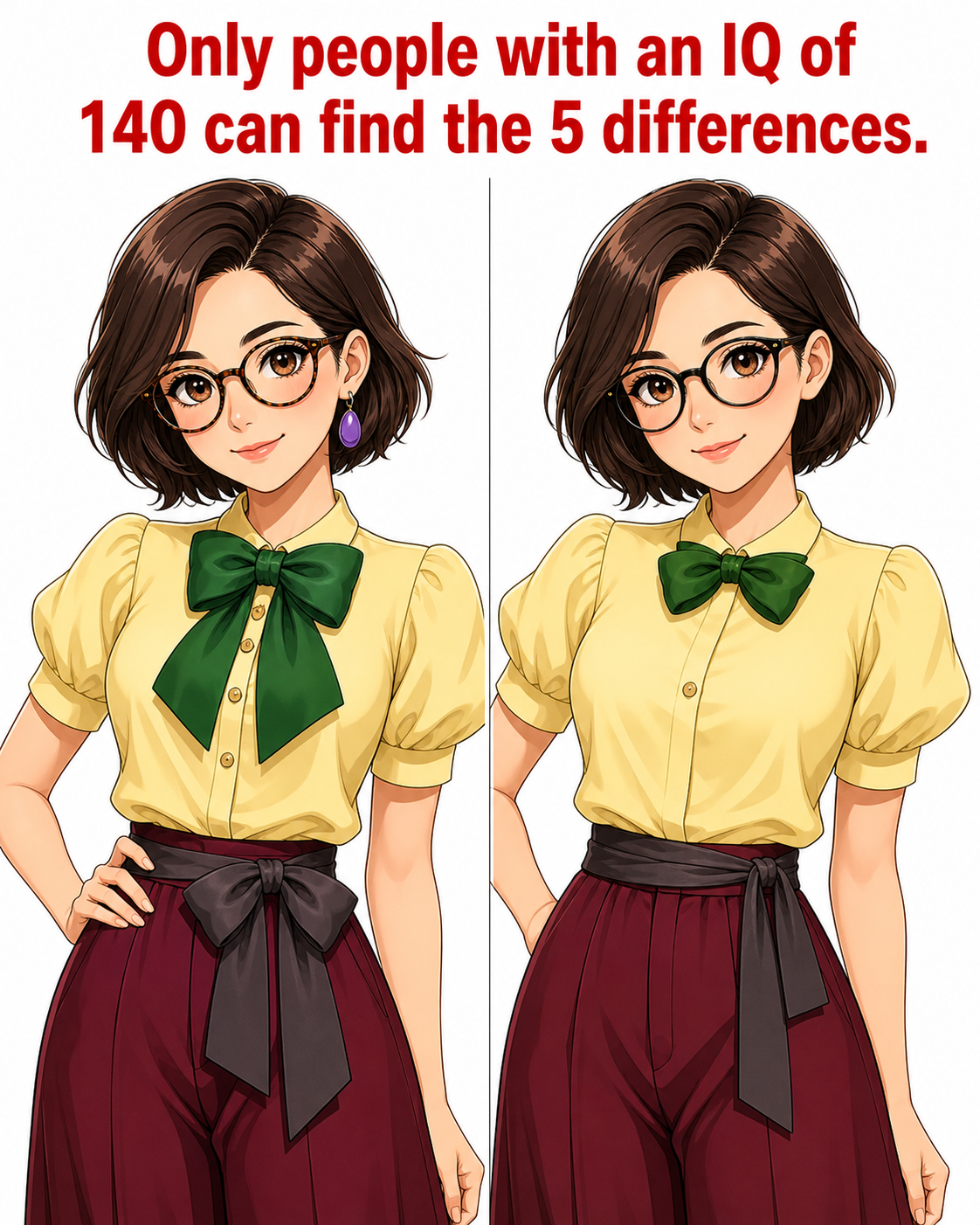
Spot-the-difference puzzles are a fun way to challenge your brain and test your attention to detail. Most versions hide five or so changes, but this one raises the stakes: the two images on this page are said to contain fourteen hidden differences. At first glance, they look identical. Look closer, and the hunt begins.
Fourteen differences is a serious challenge. Many people find a handful quickly, then stall. The remaining changes hide in plain sight, protected by the way human attention works. This guide explains why big-count puzzles are so hard, how to hunt differences systematically, and how to get the most out of the challenge.
Why Fourteen Differences Is a Different Beast
A five-difference puzzle is a sprint. A fourteen-difference puzzle is a marathon, and it changes your brain's behavior in predictable ways.
Early wins, then a wall. The first six or seven differences usually pop out fast: the obvious ones, like a missing accessory or a changed shape. Then progress slows sharply. Each remaining difference is, by design, subtler than the last.
Attention fatigue. Staring at two similar images for a long time tires your visual system. After ten minutes, you start seeing what you expect instead of what is there. This is the point where most people quit, usually a few differences short.
The satisfaction curve. Paradoxically, harder puzzles are more satisfying to finish. Finding difference number thirteen after a long hunt delivers a bigger reward than breezing through an easy puzzle. That is why people share their scores and challenge friends.
How These Puzzles Are Built
Understanding the creator's toolkit helps you reverse-engineer the hiding spots. Puzzle artists typically alter:
- Accessories: earrings, bows, ribbons, glasses, hats, jewelry. A missing earring or a resized bow is a classic.
- Clothing details: buttons, collars, sleeves, pockets, hems. Small changes to spacing, shape, or alignment.
- Hair: part position, volume, strands, accessories. Hair is full of fine detail, perfect camouflage.
- Facial features: a slightly different smile, eyebrow angle, or eye shape.
- Proportions: a waistband sitting higher, a sleeve puffier, a ribbon tail longer. These are among the hardest to catch because nothing is missing; something is just slightly off.
Note: the original version of this article included a specific answer key describing each of the fourteen changes in this image. Since puzzle images get re-cropped and re-shared across the internet, details can shift between versions, so the strategies below matter more than any single answer list. Use them to find every difference yourself; that is the whole point.
A Systematic Hunting Method
Random scanning fails on hard puzzles. Work like this instead:
1. Split the image into zones. Divide each picture into a three-by-three grid in your mind. Finish one zone completely before moving to the next. This prevents the aimless jumping that wastes time.
2. Compare one zone at a time, back and forth. Look at the top-left zone of image A, then the top-left zone of image B, then back to A. Rapid comparison makes differences flicker into view. Some people literally flick their eyes between the two images; the change seems to pulse.
3. Check these categories in order. For each zone, ask: Is anything missing? Is anything a different size? A different shape? A different color? A different position? Running the same checklist everywhere catches things a casual glance misses.
4. Zoom out, then zoom in. Step back from the screen or shrink the image. Big-picture differences like posture, proportions, and missing large objects pop out at small sizes. Then zoom in close for fine details like buttons and facial features.
5. Flip your focus. If you have been hunting objects, switch to hunting empty space. Sometimes the difference is not a thing but a gap: a missing shadow, a shorter ribbon tail, a collar that sits differently.
6. Take breaks. For a fourteen-difference puzzle, two or three short sessions beat one long stare. Fresh eyes genuinely see more.
Why Your Brain Keeps Missing Them
Two well-studied effects protect the hidden differences:
Change blindness means your visual system assumes similar scenes are identical and fills in details from memory instead of checking. The more similar the images, the stronger the effect, which is why fourteen-difference puzzles feel almost unfair.
Inattentional blindness means that when you lock onto one promising area, changes elsewhere become invisible. If you are convinced the answer is in the hair, you will not see the changed button, no matter how long you look.
Knowing these effects exist helps you fight them. When you are stuck, deliberately look at the parts of the image you have been ignoring. The difference is almost always there.
The Brain Benefits Are Real
These puzzles are genuine mental exercise, not just entertainment:
- Sustained attention. A fourteen-difference hunt trains you to maintain focus far longer than a quick puzzle does.
- Visual discrimination. You get better at telling similar things apart, a skill that helps with proofreading, quality control, and even driving.
- Working memory. Holding details from one image in mind while scanning the other is a real memory workout.
- Patience. Hard puzzles reward persistence over speed, which is a useful habit everywhere.
One caution: ignore captions claiming these puzzles measure IQ or that only geniuses can solve them. There is no scientific evidence for that. What they measure is observation skill and practice, both of which improve with use.
Make It a Competition
Big puzzles are better with friends. Try this format: everyone gets ten minutes and a screenshot, no hints allowed. Score one point per difference found. Compare answers at the end and argue about the ones nobody found.
You will discover something interesting: different people miss different differences. One person catches every clothing change but misses the facial ones; another does the opposite. Attention is personal, and that is part of the fun.
Frequently Asked Questions
How long should fourteen differences take?
Anywhere from ten minutes to half an hour is normal. If you are still stuck after that, take a break rather than grinding.
Is it cheating to look at the answer key?
Not really, but try to find them all first. If you peek, use the answer to learn the hiding pattern, then try a new puzzle to test yourself.
Are harder puzzles better for your brain?
Up to a point. A puzzle should challenge you without frustrating you into quitting. Fourteen differences sits at the sweet spot for most adults: hard enough to be engaging, solvable enough to finish.
Why do I always miss the last two or three?
Because the puzzle is designed that way. Creators rank differences by subtlety, and the last few are the subtlest by definition. It is not a personal failing; it is the design.
Whether you find all fourteen or call it a day at eleven, you have given your brain a solid workout. Keep practicing, and the next big-count puzzle will feel a little less impossible.