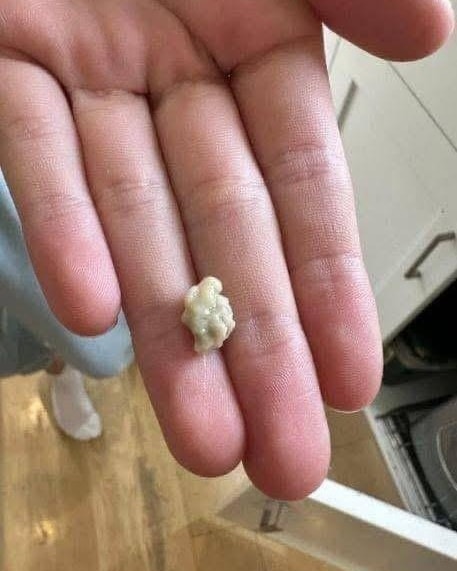
If you’ve been dealing with persistent bad breath even after brushing your teeth and using mouthwash regularly, your tonsils could be part of the problem. Small white or yellowish spots at the back of the throat may be tonsil stones, also known as tonsilloliths.
Although they can look unusual, tonsil stones are common and are usually harmless.
What Are Tonsil Stones?
Tonsil stones are small hardened deposits that form inside the tiny crevices of the tonsils, known as tonsil crypts. They develop when food particles, bacteria, mucus, and dead cells become trapped and gradually harden over time.
These stones can vary in size and may appear white or pale yellow. Some people never notice them, while others experience discomfort or unpleasant breath caused by bacterial buildup.
In many cases, tonsil stones naturally loosen and fall out while eating, coughing, or gargling.
Common Signs and Symptoms
Many people with tonsil stones have few or no symptoms. However, some common signs include persistent bad breath, sore throat or throat irritation, feeling like something is stuck in the throat, difficulty swallowing, an unpleasant or metallic taste in the mouth, swollen or red tonsils, frequent coughing or throat clearing, mild ear discomfort or pressure, and recurring tonsil irritation.
If you notice white spots on your tonsils along with these symptoms, tonsil stones may be the cause.
How Tonsil Stones Are Diagnosed
Tonsil stones are usually easy to identify during a routine examination. A doctor or dentist can often spot them simply by looking at the throat.
In some situations, they may also appear during imaging tests such as X-rays or CT scans that were performed for unrelated reasons.
Most cases do not require complicated testing.
Ways to Remove Tonsil Stones
Treatment depends on the size of the stones and how often they return.
Gargling With Salt Water
Warm salt-water rinses may help loosen small stones and reduce throat irritation. Gargling regularly can also help keep the mouth cleaner and fresher.
Gentle Oral Hygiene
Careful brushing, flossing, and tongue cleaning can help reduce bacteria and food buildup that contribute to stone formation.
Oral Irrigators
Some people use low-pressure water flossers to gently flush debris from the tonsils. Using gentle pressure is important to avoid irritation.
Natural Dislodging
Occasionally, coughing or drinking carbonated beverages may help small stones loosen naturally.
Medical Treatment
For severe or recurring cases, a healthcare provider may recommend additional treatment options. In rare situations, surgery to remove the tonsils may be considered if stones cause ongoing discomfort or frequent infections.
Tips to Help Prevent Tonsil Stones
Good oral hygiene plays an important role in prevention. Helpful habits include brushing teeth twice daily, flossing regularly, cleaning the tongue to reduce bacteria, gargling after meals, drinking enough water throughout the day, managing allergies or sinus congestion, and avoiding smoking and tobacco products.
Keeping the mouth and throat clean can greatly reduce the chance of future stone buildup.
When to See a Doctor
Although tonsil stones are usually not dangerous, medical advice is recommended if you experience persistent throat pain, swelling or difficulty swallowing, fever or signs of infection, frequently recurring stones, or ongoing bad breath despite proper oral care.
A healthcare professional can help determine the best treatment approach for your situation.
Final Thoughts
Tonsil stones are common and generally harmless, but they can be uncomfortable and frustrating. Fortunately, regular oral hygiene and healthy daily habits can often help prevent them from returning.
If you are unsure whether the white spots in your throat are tonsil stones or another condition, a quick medical checkup can provide reassurance and proper guidance.