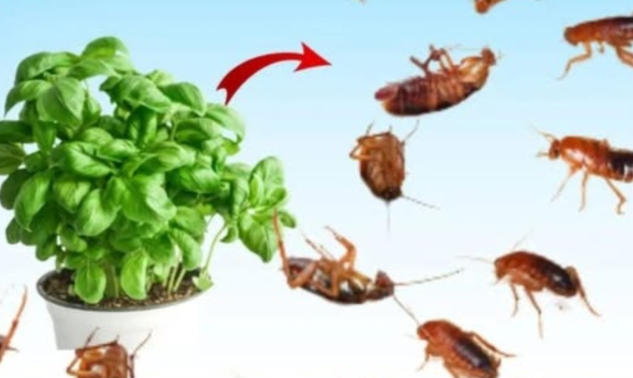
Place This Around Your Home for a Natural Way to Help Keep Flies, Mosquitoes, and Cockroaches Away
Keeping flies, mosquitoes, and cockroaches under control can sometimes feel difficult, especially during warmer months. Fortunately, there are several natural and affordable methods that may help reduce these unwanted pests without relying heavily on strong chemical products. Using simple household ingredients, you can create practical DIY solutions that are easy to prepare and safer for everyday use.
Why Many People Prefer Natural Pest Control Methods
Many commercial insect repellents are effective, but some may contain ingredients that people prefer to avoid around children, pets, or food preparation areas. Natural alternatives can offer a more eco-friendly option while also helping households save money. Homemade pest-control mixtures are often simple to make and use ingredients already found in most kitchens.
Natural methods work best as part of a broader prevention strategy. No DIY trap will solve an infestation on its own, but combined with good sanitation and smart habits, these solutions can meaningfully reduce the number of uninvited guests in your home.
Ingredients You Will Need
To prepare these homemade solutions, gather the following items:
- 5 tablespoons sugar
- 1 tablespoon yeast
- 1 cup water
- 15 bay leaves
- 10 cloves
- 1 two-liter plastic bottle
- 1/2 cup regular shampoo
- 1/2 cup vegetable oil
- 1/2 cup white vinegar
Chances are you already have most of these in your kitchen. That's part of the appeal: effective pest control without a special shopping trip.
How to Make a Simple Mosquito Trap
Mosquitoes are common household nuisances, especially in humid or warm environments. This DIY trap may help reduce their presence indoors.
Instructions:
1. Dissolve 5 tablespoons of sugar in 1 cup of warm water.
2. Add 1 tablespoon of yeast and stir gently.
3. Cut a two-liter plastic bottle in half near the top.
4. Pour the mixture into the bottom half of the bottle.
5. Turn the top half upside down to create a funnel shape and place it into the lower half.
6. Set the trap in areas where mosquitoes are often seen, such as near windows, balconies, or patios.
How It Works
The yeast ferments the sugar water, producing carbon dioxide, the same gas humans exhale that attracts mosquitoes. Drawn by the CO2, mosquitoes fly into the funnel but struggle to find their way back out. Replace the mixture every week or two for continued effectiveness.
Natural Spray for Flies and Cockroaches
Flies and cockroaches are often attracted to moisture and leftover food. A homemade herbal spray may help discourage them from gathering in certain areas.
Instructions:
1. Add 15 bay leaves, 10 cloves, and 1 cup of water to a saucepan.
2. Bring the mixture to a gentle boil and simmer for about 10 minutes.
3. Allow the liquid to cool completely.
4. Pour the cooled mixture into a clean spray bottle.
5. Spray lightly in kitchens, bathrooms, near trash bins, or other areas where insects may appear.
Why These Ingredients
Bay leaves and cloves contain strong aromatic compounds, particularly eugenol in cloves, that many insects find unpleasant. The scent acts as a deterrent rather than a killer, encouraging pests to avoid treated areas. Reapply every few days or after cleaning for best results.
Multi-Purpose Household Insect Repellent Spray
Another simple option combines common ingredients to create a versatile spray that can be used around entry points and corners of the home.
Instructions:
1. Mix 1/2 cup regular shampoo, 1/2 cup vegetable oil, and 1/2 cup white vinegar in a bowl.
2. Stir thoroughly until evenly blended.
3. Transfer the mixture into a spray bottle.
4. Apply lightly around windows, doorways, and other spots where insects may enter.
The combination works on multiple levels: the vinegar's sharp scent repels, the oil creates a barrier insects dislike crossing, and the shampoo helps the mixture adhere to surfaces.
Helpful Tips for Better Results
DIY solutions work best alongside good household habits:
- Keep food stored in sealed containers
- Take out household trash regularly
- Avoid standing water near windows or outdoor spaces
- Clean kitchen surfaces frequently to reduce crumbs and spills
- Fix leaky faucets and pipes that create moisture pests love
- Seal cracks around windows and doors where insects enter
- Empty saucers under indoor plants to prevent mosquito breeding
Using natural methods as part of your regular cleaning routine may help create a cleaner and more comfortable home environment. These simple DIY ideas are budget-friendly, easy to prepare, and can complement everyday household pest prevention practices.
Remember that consistency matters more than intensity. A trap set once and forgotten won't help much, but traps maintained regularly, sprays reapplied on schedule, and sanitation habits kept up week after week will steadily reduce pest pressure. Think of natural pest control as a lifestyle rather than a one-time fix.
It's also worth managing expectations honestly. These methods shine at prevention and mild problems. If you're dealing with a serious infestation, don't delay calling a professional while DIY methods fall short. The smartest approach combines both: natural methods for everyday prevention, expert help when the situation demands it.
Frequently Asked Questions
Do natural pest control methods really work?
They can help reduce pest presence, especially as part of a broader prevention routine. They work best for mild issues; serious infestations usually require professional help.
How does the sugar and yeast mosquito trap work?
Yeast fermenting sugar water produces carbon dioxide, which attracts mosquitoes. They enter through the funnel but can't easily escape.
How often should I reapply the herbal spray?
Every few days, or after cleaning treated areas. The aromatic compounds fade over time, so regular reapplication keeps the deterrent effect.
Are these methods safe around pets and children?
They use common household ingredients and are generally safer than strong chemical products, but keep mixtures out of reach of small children and pets, and avoid spraying directly on food surfaces.
What if natural methods aren't enough?
For persistent or large infestations, contact a licensed pest control professional. Natural methods are preventive and supplementary, not a replacement for professional treatment when needed.