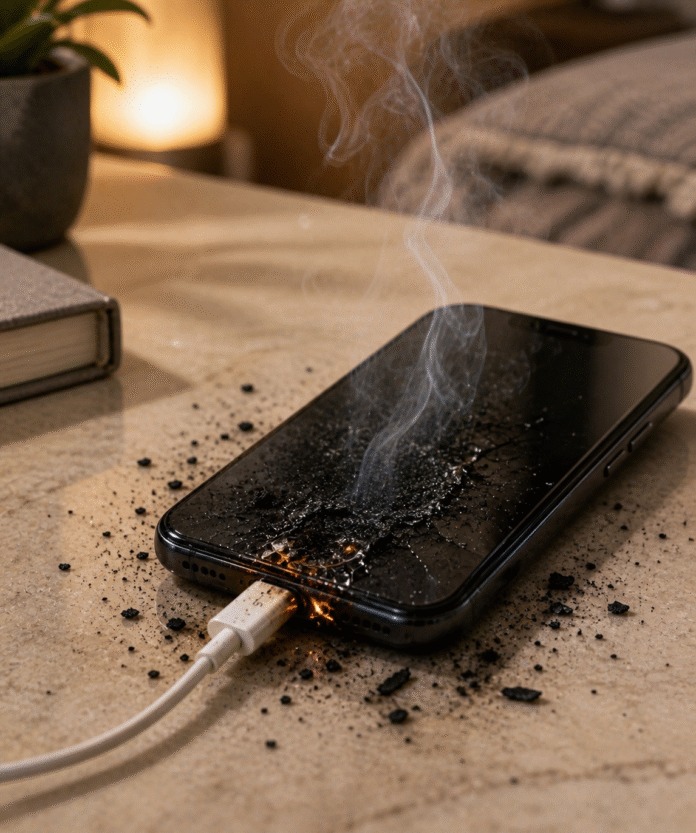
Walk into almost any home today and you will probably spot a charger plugged into the wall. Phones, tablets, laptops, smart watches, and other everyday devices have become part of modern life, and most households keep several chargers connected at all times.
For many families, these devices help manage schedules, stay in touch with loved ones, follow health appointments, and handle daily tasks. Because chargers are so common, it is easy to overlook the role they play in home safety.
The good news is that a few simple habits can help reduce unnecessary electrical risks while also extending the life of your devices and chargers.
Why Charger Safety Matters
Modern homes use far more electricity than homes built decades ago. Years ago, a typical household mainly powered lights, televisions, and kitchen appliances. Today, many homes also support internet equipment, streaming devices, gaming systems, charging stations, and smart home technology.
With so many devices connected throughout the day, outlets and wiring often work harder than originally intended. Paying attention to charging habits can help protect both your electronics and your home.
Small changes can:
- Reduce unnecessary energy use
- Help devices last longer
- Lower wear on outlets and cables
- Improve overall household safety
The Importance of Using Quality Chargers
One of the most overlooked safety concerns involves low-quality or counterfeit chargers.
Cheap charging accessories sold through unknown online stores or discount outlets may not include the same safety protections found in certified products. Reliable chargers are designed with features that help regulate temperature, manage voltage, and reduce the risk of overheating.
Using a trusted charger can help protect:
- Your phone or tablet battery
- Your laptop or other electronics
- Your home’s electrical system
Whenever possible, it is best to buy chargers and cables directly from the device manufacturer or from a reputable retailer.
Watch for Damaged Charging Cables
Charging cables wear out over time, especially when they are bent, twisted, or used daily.
Some common warning signs include:
- Frayed or cracked insulation
- Bent connectors
- Exposed internal wiring
- Loose cable ends
Even if a damaged cable still works, it may no longer be safe to use. Replacing worn cables quickly is one of the easiest ways to improve home electrical safety.
Common Charging Habits That Can Create Problems
Many people charge devices overnight or leave them plugged in longer than necessary. While modern devices include built-in protections, certain habits may still increase heat buildup and wear over time.
Avoid Charging on Soft Surfaces
Beds, couches, pillows, and blankets can trap heat around phones and tablets while they charge.
Instead, place charging devices on:
- Tables
- Nightstands
- Desks
- Hard countertops
These surfaces allow better airflow and help devices stay cooler.
Unplug Chargers When Not in Use
Leaving chargers plugged into the wall continuously can create unnecessary energy use and additional wear on adapters over time.
Unplugging chargers when they are not needed is a simple habit that may help reduce electrical strain.
Pay Attention to Outlets and Power Strips
Older outlets can loosen with age. If a charger feels unstable or slips out easily, the outlet may need professional attention.
You should also pay attention to:
- Warm outlets
- Flickering power
- Unusual smells near plugs
- Frequently tripped breakers
If any of these issues appear, contacting a licensed electrician is a smart step.
Use Surge Protectors Wisely
A quality surge protector can help shield electronics from power fluctuations during storms or sudden voltage changes.
This is especially useful for homes with:
- Computers
- Internet equipment
- Smart TVs
- Medical devices
- Multiple charging stations
Avoid plugging one power strip into another, as this can overload circuits and increase risk.
Five Simple Charging Safety Habits
1. Choose Certified Chargers
Buy charging accessories from trusted brands or reliable retailers whenever possible.
2. Replace Damaged Cables Quickly
Do not continue using cables with visible wear or exposed wiring.
3. Keep Devices Cool While Charging
Use hard, flat surfaces that allow proper airflow.
4. Unplug Unused Chargers
This may reduce unnecessary electrical use and help preserve the charger.
5. Keep Electronics Away From Water
Avoid charging phones or tablets near sinks, bathtubs, or damp environments.
Homes With Multiple Devices Need Extra Attention
Many households now have several people sharing outlets and charging areas. Phones, tablets, gaming systems, and laptops can quickly crowd a single room with cables and adapters.
To keep things organized and safer:
- Avoid overloading outlets
- Use quality power strips
- Keep cords untangled
- Do not run cables under rugs
- Prevent cords from being pinched by furniture or doors
Teaching children to unplug devices by holding the plug instead of pulling the cord can also help reduce cable damage over time.
Older Devices May Need Monitoring
As electronics age, batteries and charging systems can change.
Watch for signs such as:
- Devices becoming unusually warm
- Rapid battery drain
- Slow charging
- Swollen batteries
- Frequent shutdowns
If a device consistently overheats or behaves unusually while charging, it may be time for repair or replacement.
Keeping a backup charger available can also be helpful, especially for devices used for communication, work, or important daily tasks.
Small Habits Can Make a Big Difference
Home electrical safety does not require expensive upgrades or complicated changes. A few thoughtful habits can go a long way toward protecting devices and maintaining a safer environment for everyone in the home.
Simple steps like using quality chargers, replacing damaged cables, and avoiding overloaded outlets can help create a more reliable and comfortable living space.
Sometimes, the smallest daily habits are the ones that make the biggest difference over time.