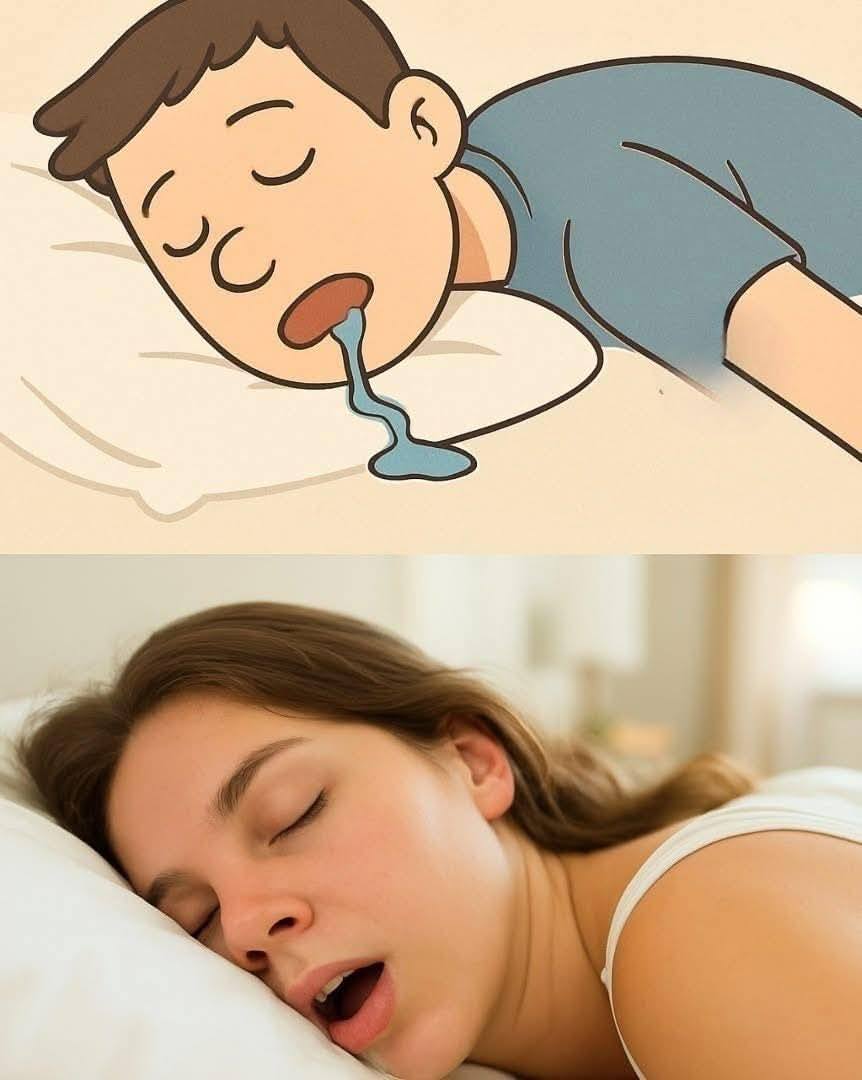
Waking up to a damp pillow can feel a little uncomfortable, but nighttime drooling is actually more common than many people realize. In most cases, it’s harmless and linked to sleeping position or temporary congestion. However, frequent or excessive drooling during sleep can sometimes point to underlying health conditions that may deserve attention.
Understanding the possible causes can help you decide whether it’s simply a normal habit or something worth discussing with a healthcare professional.
Why Drooling Happens During Sleep
During sleep, the muscles in your face and mouth naturally relax. This can allow saliva to escape more easily, especially if you sleep with your mouth open. While occasional drooling is usually nothing to worry about, persistent drooling may be connected to other factors affecting breathing, swallowing, or saliva production.
Common Causes of Nighttime Drooling
1. Sleeping Position
People who sleep on their side or stomach are more likely to drool because gravity allows saliva to flow out of the mouth more easily. Sleeping on your back may help reduce the problem for some individuals.
2. Nasal Congestion
Colds, allergies, sinus infections, or seasonal irritation can block nasal passages and force mouth breathing during sleep. When breathing through the mouth becomes necessary, drooling often increases.
3. Medication Side Effects
Some medications may increase saliva production or relax the muscles involved in swallowing. Certain sleep aids, pain medications, and other prescriptions can sometimes contribute to nighttime drooling.
If you suspect medication may be involved, it’s important to speak with a healthcare provider before making any changes.
4. Sleep Apnea
Sleep apnea is a condition that causes repeated interruptions in breathing during sleep. It is often associated with snoring, mouth breathing, restless sleep, and daytime fatigue. Some people with sleep apnea also experience excessive drooling at night.
Because untreated sleep apnea can affect overall health, ongoing symptoms should be evaluated by a medical professional.
5. Deviated Septum
A deviated septum occurs when the wall between the nasal passages is off-center, making it harder to breathe comfortably through the nose. This may lead to mouth breathing and increased drooling during sleep.
6. Dental or Oral Health Problems
Issues such as gum disease, tooth infections, cavities, or irritation inside the mouth can stimulate extra saliva production. Pain, swelling, bleeding gums, or difficulty chewing may indicate that a dental checkup is needed.
7. Acid Reflux (GERD)
Gastroesophageal reflux disease, commonly called GERD, can sometimes increase saliva production. Heartburn, a sour taste in the mouth, or discomfort when lying down are common signs associated with reflux.
8. Teeth Grinding
Grinding or clenching teeth during sleep may occasionally contribute to excess saliva. Some dental appliances or mouthguards can also affect saliva flow during the night.
9. Pregnancy
Hormonal changes during pregnancy may temporarily increase saliva production in some individuals. This condition is usually temporary and often improves over time.
10. Neurological Conditions
In certain cases, drooling may be linked to conditions that affect muscle control or swallowing ability. Disorders involving the nervous system can sometimes make it harder to manage saliva normally.
Persistent drooling combined with difficulty swallowing, speech changes, or muscle weakness should always be evaluated by a healthcare professional.
Ways to Help Reduce Nighttime Drooling
Many mild cases can improve with simple lifestyle adjustments and sleep habits.
Try Sleeping on Your Back
Changing your sleeping position may help prevent saliva from escaping during the night.
Keep Nasal Passages Clear
Managing allergies, congestion, or sinus issues can make breathing through the nose easier and reduce mouth breathing.
Stay Hydrated
Drinking enough water may help maintain a healthier saliva balance and reduce thick saliva buildup.
Maintain Good Oral Hygiene
Regular brushing, flossing, and dental visits can help address oral health issues that may contribute to excess saliva.
Seek Treatment for Sleep Apnea
If snoring, breathing pauses, or daytime exhaustion are present, treating sleep apnea may significantly improve sleep quality and reduce drooling.
When to See a Doctor
Occasional drooling during sleep is usually harmless. However, it may be a good idea to seek medical advice if drooling:
- Starts suddenly
- Becomes severe or frequent
- Interrupts sleep regularly
- Happens alongside difficulty swallowing
- Occurs with speech changes or jaw pain
- Is accompanied by severe heartburn or breathing issues
Final Thoughts
Nighttime drooling is often a minor and temporary issue, especially when linked to sleep position or nasal congestion. Still, persistent drooling can sometimes provide clues about sleep disorders, oral health concerns, or other medical conditions.
Paying attention to changes in your sleep habits and overall health can help you decide when simple adjustments are enough and when professional guidance may be beneficial.