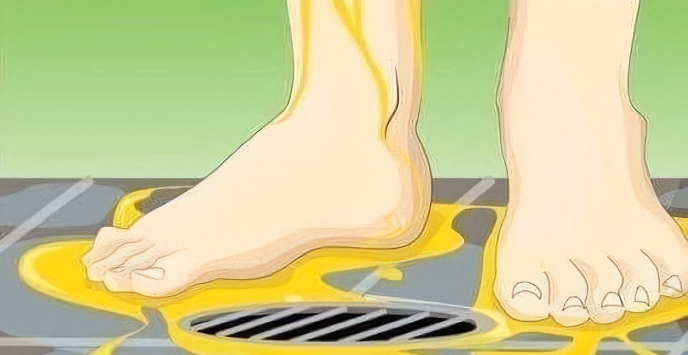
Many people admit to peeing in the shower because it feels quick and convenient. Some even believe it helps save water. While the habit may seem harmless, health experts say there are a few hygiene and health concerns worth considering, especially when it becomes routine.
Why Some People Pee in the Shower
There are several reasons why people choose to do it. Convenience is one of the biggest factors since people are already in the bathroom and may feel it is easier than using the toilet first. Others believe it helps conserve water by avoiding an extra flush. Some also view it as a more private or discreet option in shared living spaces.
Although these reasons may seem practical, many medical professionals still suggest that using the toilet is the healthier choice in most situations.
Potential Hygiene and Health Concerns
Bacteria and Moisture Build-Up
Bathrooms and showers naturally create warm and damp conditions where bacteria and mold can grow more easily. If showers are not cleaned regularly, germs may build up on surfaces over time. For some individuals, especially women, exposure to bacteria near sensitive areas may increase the chance of irritation or urinary discomfort.
Reduced Bathroom Hygiene
Showers are intended for cleaning the body, while toilets are designed for waste disposal. Mixing the two can make the shower less sanitary, particularly in shared bathrooms where multiple people use the same space.
Pelvic Floor and Bladder Habits
Some health professionals warn that repeatedly urinating while standing or squatting in the shower may affect healthy bladder habits for certain people. In some cases, it could make it harder to fully relax the pelvic floor muscles and empty the bladder completely.
Maintaining healthy bathroom routines may help support long-term bladder health.
Possible Skin Irritation
Urine naturally contains substances like ammonia and urea. For people with sensitive skin, repeated exposure may occasionally contribute to mild irritation.
Habit and Routine Concerns
Experts also note that regular shower urination may encourage less mindful hygiene habits over time. Establishing healthy bathroom routines can help maintain overall cleanliness and comfort.
Healthier Alternatives
If you want to maintain better hygiene habits, using the toilet before showering is usually recommended. Staying hydrated can also help support urinary health. Regularly cleaning and disinfecting the shower may reduce bacteria and mold buildup. Anyone experiencing frequent urination, discomfort, or bladder concerns should consider speaking with a healthcare professional.
Are There Exceptions?
In certain situations, peeing in the shower may be more practical. This may include individuals with mobility limitations, people recovering from surgery or medical procedures, or situations where immediate bathroom access is difficult. Even then, keeping the shower clean and sanitized remains important.
Final Thoughts
Peeing in the shower may seem harmless and convenient, but health experts recommend being mindful of hygiene and bladder health. Using the toilet before showering is generally considered the cleaner and healthier option. Maintaining good bathroom habits and regular cleaning routines can help create a safer and more comfortable environment for everyone.