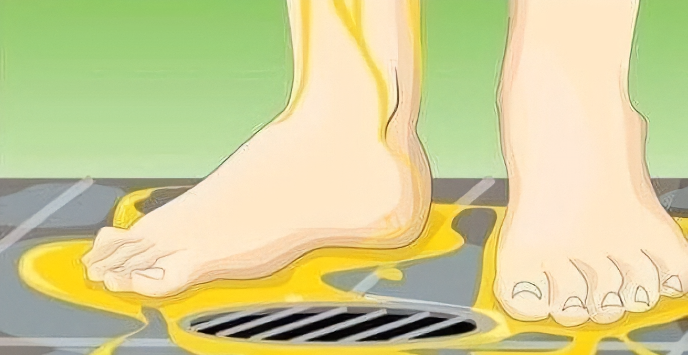
Is Peeing in the Shower Safe? What Health Experts Want You to Know
Many people admit to peeing in the shower because it feels quick and convenient. Some even believe it helps save water. While the habit may seem harmless, health experts say there are a few hygiene and health concerns worth considering, especially when it becomes routine.
Why Some People Do It
There are several reasons why people choose to do it:
- Convenience: people are already in the bathroom and may feel it is easier than using the toilet first
- Water savings: some believe it helps conserve water by avoiding an extra flush
- Privacy: some view it as a more discreet option in shared living spaces
Although these reasons may seem practical, many medical professionals still suggest that using the toilet is the healthier choice in most situations.
Potential Hygiene and Health Concerns
Bacteria and Moisture Build-Up
Bathrooms and showers naturally create warm and damp conditions where bacteria and mold can grow more easily. If showers are not cleaned regularly, germs may build up on surfaces over time. For some individuals, especially women, exposure to bacteria near sensitive areas may increase the chance of irritation or urinary discomfort.
Reduced Bathroom Hygiene
Showers are intended for cleaning the body, while toilets are designed for waste disposal. Mixing the two can make the shower less sanitary, particularly in shared bathrooms where multiple people use the same space. What is acceptable in a private home may not be fair or hygienic when the shower is shared with roommates or family members.
Pelvic Floor and Bladder Habits
Some health professionals warn that repeatedly urinating while standing or squatting in the shower may affect healthy bladder habits for certain people. In some cases, it could make it harder to fully relax the pelvic floor muscles and empty the bladder completely. Over time, incomplete emptying can contribute to discomfort or urinary issues.
Maintaining healthy bathroom routines may help support long-term bladder health. If you notice you are having trouble fully emptying your bladder, that is worth discussing with a healthcare professional.
Possible Skin Irritation
Urine naturally contains substances like ammonia and urea. For people with sensitive skin, repeated exposure may occasionally contribute to mild irritation. This is not a concern for most healthy people with occasional exposure, but it is worth knowing if your skin reacts easily.
Habit and Routine Concerns
Experts also note that regular shower urination may encourage less mindful hygiene habits over time. Establishing healthy bathroom routines can help maintain overall cleanliness and comfort. Habits tend to stick, so the small choices you repeat daily add up.
The Water-Saving Argument
Does it actually save water? An older toilet uses a lot of water per flush, so skipping a flush does save some. But modern efficient toilets use far less, and running the shower longer than needed wastes far more water than a flush saves. If conservation is the goal, shorter showers and efficient fixtures make a much bigger difference than skipping a flush.
Healthier Alternatives
If you want to maintain better hygiene habits:
- Use the toilet before showering, which is usually the recommended routine
- Stay hydrated to support overall urinary health
- Clean and disinfect the shower regularly to reduce bacteria and mold buildup
- Ventilate the bathroom well after showering to reduce moisture
Anyone experiencing frequent urination, discomfort, or bladder concerns should consider speaking with a healthcare professional rather than ignoring the symptoms.
Are There Exceptions?
In certain situations, peeing in the shower may be more practical. This may include:
- Individuals with mobility limitations
- People recovering from surgery or medical procedures
- Situations where immediate bathroom access is difficult
Even then, keeping the shower clean and sanitized remains important.
What Urologists and Pelvic Floor Therapists Say
Beyond hygiene, bladder specialists focus on the mechanics. Healthy urination requires the pelvic floor muscles to relax fully so the bladder empties completely. When people rush, hover over toilets, or urinate in unusual positions, those muscles may not relax properly.
Over time, training your body to associate standing or squatting in the shower with urination can create a conditioned habit that is hard to break. Some pelvic floor therapists report that patients who struggle with incomplete emptying or urgency benefit from re-establishing calm, seated bathroom routines with no rushing.
None of this means an occasional shower accident will cause harm. The concern is only with a regular, repeated habit.
A Simple Shower Hygiene Checklist
Whether or not you ever pee in the shower, good shower hygiene protects everyone who uses it:
- Clean the shower regularly. Aim for a proper scrub of floors, walls, and fixtures at least weekly, with disinfectant on high-touch areas like handles and knobs.
- Ventilate after showering. Run the exhaust fan or open a window to reduce moisture, which slows mold and mildew growth.
- Replace or wash bath mats and shower curtains. These stay damp and are common hiding spots for bacteria and mildew.
- Rinse the drain area. Hair and soap residue build up fast and can harbor germs.
- Squeegee the walls. A quick pass after each shower removes moisture and reduces soap scum.
Shared Bathrooms: Extra Considerations
In a home shared with roommates, partners, or children, the calculation changes. Even if you are comfortable with the habit yourself, the shower belongs to everyone. Being considerate means keeping the space as clean as possible for the next person. If you share a bathroom, using the toilet first is simply the more respectful choice.
For parents, it is also worth noting that children copy what they see. Habits you model in the bathroom tend to become habits your children carry into adulthood.
Frequently Asked Questions
Is urine sterile?
No. Urine is not sterile. It contains bacteria, especially as it leaves the body and contacts the skin. The idea that urine is completely germ-free is a myth.
Can peeing in the shower cause infections?
For most healthy people, occasionally doing it will not cause an infection. The risk comes from a combination of factors: a dirty shower environment, frequent exposure, and individual sensitivity. People prone to urinary tract infections should be more cautious.
Does it damage plumbing?
Urine itself does not damage modern plumbing, and it washes down the drain like anything else. The concern is hygiene, not pipes.
Final Thoughts
Peeing in the shower may seem harmless and convenient, but health experts recommend being mindful of hygiene and bladder health. Using the toilet before showering is generally considered the cleaner and healthier option. Maintaining good bathroom habits and regular cleaning routines can help create a safer and more comfortable environment for everyone.
This article is for informational purposes only and is not medical advice. Please consult a qualified professional.