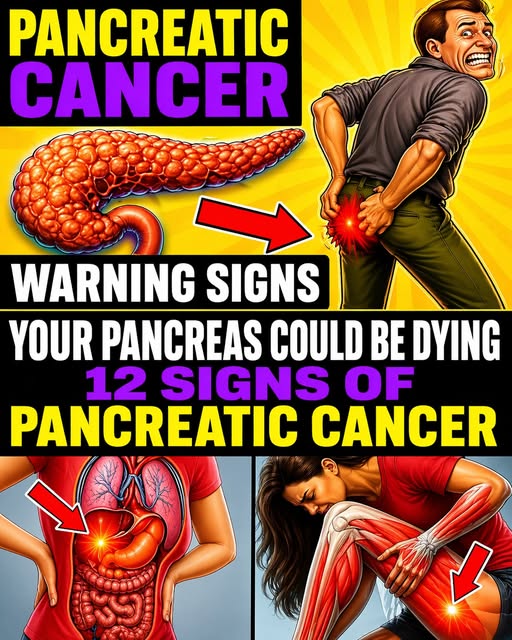
Pancreatic cancer is often called a “silent disease” because its symptoms can be subtle in the early stages. The pancreas, located deep inside the abdomen behind the stomach, plays a vital role in digestion and blood sugar regulation. It produces enzymes that help break down food and hormones like insulin that control glucose levels in the body. When problems develop in the pancreas, they can affect many important functions and overall health.
Pancreatic cancer develops when abnormal cells in the pancreas begin to grow uncontrollably and form a tumor. Because the pancreas is hidden deep within the body, early tumors are difficult to detect, and symptoms may not appear until the disease has progressed. Understanding the possible warning signs may help encourage earlier medical attention.
One of the most common symptoms is persistent pain in the upper abdomen or back. This discomfort may come and go at first and is sometimes mistaken for digestive problems or muscle strain. The pain may worsen after eating or when lying down. As the condition progresses, the pain can become more noticeable and persistent.
Another important symptom is jaundice, which causes yellowing of the skin and eyes. This happens when a tumor blocks the bile duct, leading to a buildup of bilirubin in the body. Jaundice may also be accompanied by dark urine, pale-colored stools, and itchy skin. These symptoms should always be evaluated by a healthcare professional.
Unexpected weight loss is also frequently associated with pancreatic cancer. Many people may lose weight without changing their diet or exercise habits. This can happen because the pancreas may no longer produce enough digestive enzymes, making it harder for the body to absorb nutrients properly. Loss of appetite and feeling full quickly may also occur.
Digestive problems can sometimes develop as well. Some people notice oily or greasy stools that are difficult to flush, which may indicate that fats are not being digested correctly. Other digestive symptoms can include bloating, nausea, diarrhea, constipation, or discomfort after meals. While these issues can be linked to many conditions, persistent symptoms should not be ignored.
Changes in blood sugar levels may also be a warning sign. Since the pancreas produces insulin, pancreatic cancer can sometimes lead to new-onset diabetes, especially in older adults who do not have typical risk factors. Increased thirst, frequent urination, and unexplained fatigue may accompany these changes.
Fatigue is another commonly reported symptom. Individuals may feel unusually tired or weak even after getting enough rest. This may result from the body’s response to illness, poor nutrient absorption, or changes in metabolism.
In some cases, blood clots may develop before pancreatic cancer is diagnosed. Symptoms of a blood clot in the leg can include swelling, redness, warmth, and pain. If a clot travels to the lungs, it can become a medical emergency and cause chest pain or difficulty breathing.
Although the exact cause of pancreatic cancer is not fully understood, several risk factors may increase the likelihood of developing the disease. Smoking is considered one of the leading risk factors. Obesity, poor dietary habits, chronic pancreatitis, family history, and increasing age may also contribute to higher risk.
Because many symptoms of pancreatic cancer can resemble less serious health conditions, it is important to pay attention to persistent or unusual changes in the body. Symptoms such as ongoing abdominal pain, unexplained weight loss, jaundice, or sudden digestive changes should be discussed with a healthcare provider.
Doctors may use imaging tests such as CT scans, MRI scans, blood tests, and biopsies to evaluate pancreatic health and identify possible concerns. Early detection may improve treatment options and outcomes.
Maintaining a healthy lifestyle can support overall wellness and may help reduce the risk of many diseases. Avoiding smoking, eating a balanced diet, staying physically active, and attending regular medical checkups are all important steps for long-term health.
Awareness plays a key role in recognizing potential warning signs early. While these symptoms do not always mean cancer is present, listening to your body and seeking medical advice when symptoms persist can make an important difference.