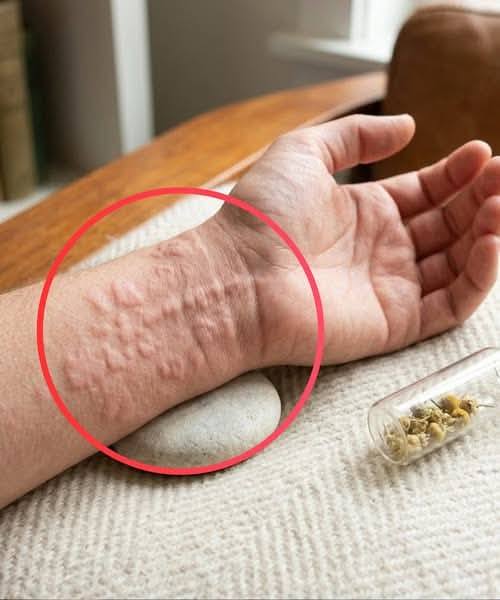
Urticaria, commonly known as hives, is a skin condition that affects many people at some point in their lives. It causes raised, itchy patches on the skin called welts or wheals, which may appear suddenly and sometimes join together into larger areas. These outbreaks can occur anywhere on the body and may come and go quickly.
Hives develop when the body releases histamine and other chemicals into the bloodstream. This reaction causes tiny blood vessels in the skin to leak fluid, creating swollen, itchy bumps on the surface of the skin.
In many cases, individual hives disappear within 24 hours, but the condition itself may last longer depending on the cause.
Sometimes hives are accompanied by deeper swelling under the skin known as angioedema. This type of swelling commonly affects the lips, eyelids, hands, feet, or inside the mouth. Unlike regular hives, angioedema can feel more painful than itchy and may take longer to go away.
Doctors generally classify urticaria into several different types based on how long symptoms last and what triggers them.
Acute Urticaria
Acute urticaria is the most common form of hives. Symptoms appear suddenly and usually clear up within six weeks. In many situations, the trigger can be identified.
Common causes may include food allergies such as peanuts, shellfish, eggs, or milk, reactions to insect stings, certain medications including antibiotics, aspirin, or anti-inflammatory drugs, viral or bacterial infections, and exposure to heat, cold, or emotional stress.
Symptoms often improve with antihistamine medications and supportive care.
Chronic Urticaria
Chronic urticaria occurs when hives continue to appear frequently for more than six weeks. In many cases, finding the exact trigger can be difficult.
Researchers believe that some chronic cases may be linked to autoimmune activity, where the immune system mistakenly reacts against the body’s own tissues.
Chronic hives can sometimes be associated with other health conditions, including thyroid disorders or autoimmune diseases. Because flare-ups may continue for months or even years, the condition can affect sleep, daily comfort, and emotional well-being.
Treatment options may include antihistamines, prescription medications, or other therapies recommended by a healthcare professional.
Physical Urticaria
Physical urticaria is triggered by external factors that directly affect the skin. Symptoms usually appear shortly after exposure to the trigger.
Dermographism may appear after scratching or pressure on the skin, leaving raised red marks. Cold urticaria can develop after exposure to cold air, cold water, or ice in sensitive individuals. Cholinergic urticaria is linked to increased body heat from exercise, hot showers, spicy foods, or stress. Solar urticaria may develop after sunlight or ultraviolet exposure. Delayed pressure urticaria may occur after prolonged pressure from tight clothing, heavy bags, or extended sitting.
When Medical Attention Is Important
Although hives are often harmless, some symptoms require immediate medical care. Medical attention should be sought if hives occur together with difficulty breathing, swelling of the tongue or throat, chest tightness, or severe dizziness, as these may signal a serious allergic reaction.
Tips for Managing Hives
Doctors may recommend keeping a symptom journal to help identify possible triggers. Recording foods, medications, activities, stress levels, and the timing of outbreaks may reveal useful patterns.
Lifestyle habits may also help reduce flare-ups, including wearing loose and comfortable clothing, using gentle fragrance-free skincare products, avoiding overheating, managing stress, and applying cool compresses to itchy areas.
While chronic hives can sometimes feel frustrating, many people are able to manage symptoms successfully with proper care and support from a healthcare professional. If symptoms become severe, frequent, or begin interfering with daily life, consulting a medical provider for evaluation is recommended.