Healthy Young Groom's Sudden Illness Highlights Importance of Safe Chicken Preparation
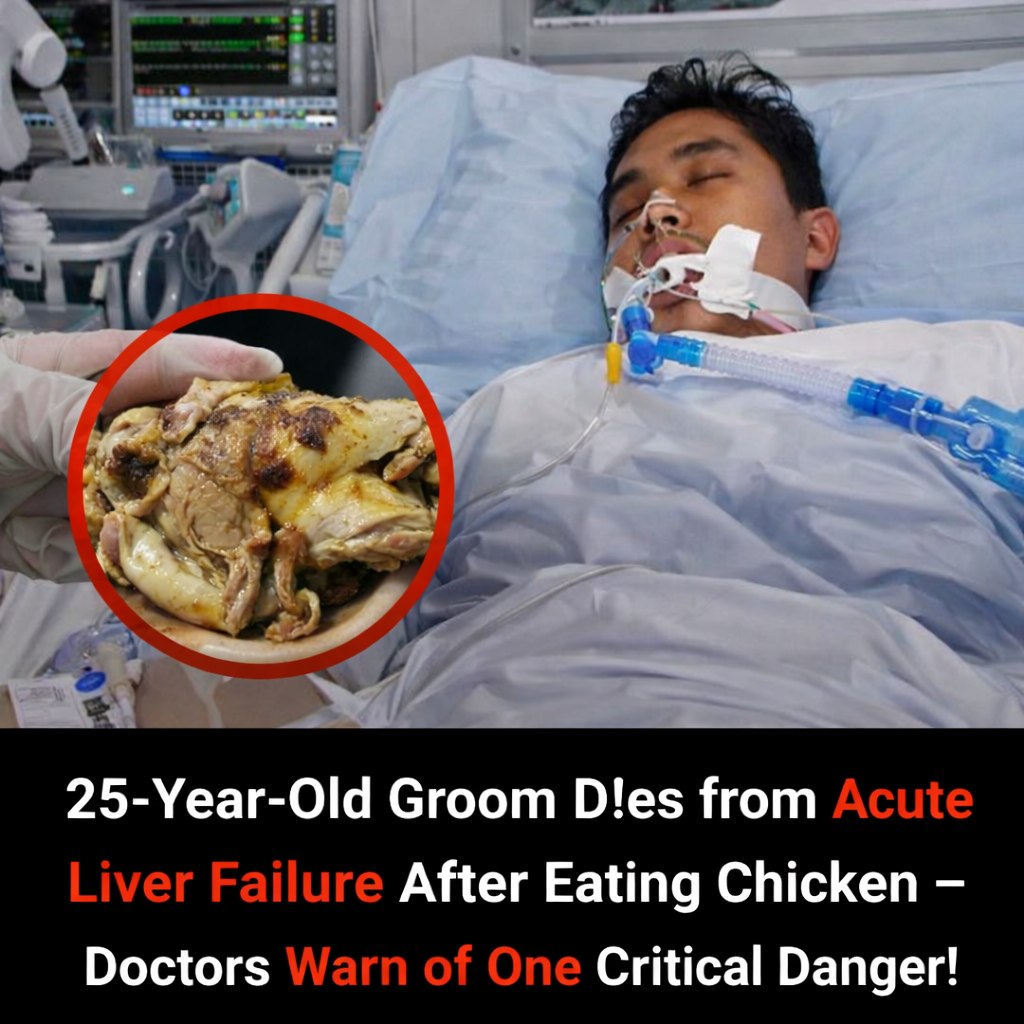
A story that circulated online described a tragic incident: a 25-year-old groom who became seriously ill after eating a chicken meal and later developed acute liver complications that proved fatal. Whether or not every detail of such widely shared stories can be independently verified, the underlying message resonates with health professionals: chicken is one of the world's most popular proteins, and preparing it safely matters for everyone, including young and healthy people.
This article does not attempt to establish the facts of any single case. Instead, it covers what food safety experts say about the real risks of undercooked or contaminated poultry, the warning signs of serious foodborne illness, and the practical kitchen habits that prevent these problems in the first place.
How foodborne illness can become serious
Raw or improperly cooked chicken may contain harmful bacteria such as Salmonella or Campylobacter. These are among the most common causes of food poisoning worldwide. Typical symptoms include stomach pain, nausea, vomiting, fever, diarrhea, and fatigue, usually appearing within hours to a few days of eating contaminated food.
Most healthy adults recover from foodborne illness within a few days. However, in rare situations, severe infections can place stress on vital organs, including the liver, especially in people with underlying health conditions or weakened immune systems. Dehydration from persistent vomiting or diarrhea can also worsen the body's condition rapidly. Medical experts stress that while serious complications are uncommon, they are not impossible, which is exactly why safe food handling is essential for everyone rather than only for vulnerable groups.
Warning signs that should not be ignored
Most cases of food poisoning are unpleasant but resolve on their own. Health experts encourage people to seek medical attention promptly if symptoms become severe or worsen quickly after eating poultry or other potentially contaminated foods. Warning signs that may require urgent medical care include:
- Persistent vomiting that prevents keeping fluids down
- High fever or fever that does not respond to basic measures
- Yellowing of the skin or eyes (jaundice)
- Extreme fatigue, confusion, or dizziness
- Severe abdominal pain
- Bloody stools or signs of severe dehydration, such as very dark urine or dizziness on standing
Early treatment can help prevent complications and improve recovery outcomes. When in doubt, it is always better to call a doctor or visit an urgent care clinic than to wait and hope symptoms pass.
The four rules of safe chicken preparation
Food safety professionals organize chicken safety around four simple principles: cook, separate, clean, and chill.
1. Cook it thoroughly
Chicken must always be cooked until it reaches a safe internal temperature. Food safety agencies recommend an internal temperature of 75°C (165°F) for all poultry, measured at the thickest part of the meat with a food thermometer. Do not rely on color alone to judge doneness; chicken can look cooked on the outside while remaining unsafe inside, and pink-tinged meat near bones is sometimes simply a result of hemoglobin in young birds.
Let chicken rest for a few minutes after cooking, then check the temperature again if you are unsure. For whole birds, check the inner thigh, the thickest part of the breast, and the wing joint.
2. Keep raw chicken separate
Raw chicken juices carry bacteria, so separation is critical. Store raw chicken on the bottom shelf of the refrigerator in a sealed container or on a plate so juices cannot drip onto other foods. Use separate cutting boards, knives, and utensils for raw chicken and for ready-to-eat foods like salads and bread. Wash everything with hot, soapy water after it touches raw poultry.
3. Clean your hands and surfaces
Wash your hands with soap and warm water for at least 20 seconds before and after handling raw chicken. Wipe down counters, and sanitize cutting boards regularly. Health professionals discourage washing raw chicken under the tap: the water droplets can splash bacteria onto nearby surfaces, the sink, and other foods, spreading contamination far wider than the original piece of meat. Pat chicken dry with paper towels instead if you need to remove surface moisture.
4. Chill promptly
Refrigerate raw chicken within two hours of purchase, or within one hour on a hot day. Refrigerate leftovers promptly as well, dividing large portions into shallow containers so they cool quickly. Cooked chicken should be used within three to four days. Thaw frozen chicken in the refrigerator, in cold water changed every 30 minutes, or in the microwave, never on the countertop.
Common mistakes even experienced cooks make
- Judging doneness by color. The single most common error. A thermometer is inexpensive and removes all guesswork.
- Washing raw chicken. As noted above, it spreads bacteria rather than removing it.
- Using the same board for chicken and salad. Cross-contamination is one of the leading causes of foodborne illness in home kitchens.
- Leaving cooked chicken out too long. The "danger zone" between 4°C (40°F) and 60°C (140°F) is where bacteria multiply fastest. Two hours is the limit.
- Reheating leftovers unevenly. Reheat to steaming hot throughout, 75°C (165°F) internally, stirring or turning as needed.
Buying chicken safely
Safety starts at the store. Choose packages with intact, tight wrapping and no leaking juices. Check the use-by date and place chicken in a separate bag to protect other groceries. Buy chicken last on your shopping trip and get it home to the refrigerator promptly, especially in warm weather.
When chicken is part of a healthy diet
Chicken remains one of the world's most accessible and affordable sources of high-quality protein, and it can absolutely be part of a healthy diet when prepared safely. Skinless breast meat is lean and versatile; thighs and drumsticks offer more flavor at a lower price. The safety rules above do not make chicken complicated; they make it reliably safe, which is what allows families to enjoy it with confidence.
Frequently asked questions
Is it safe to eat chicken that is slightly pink inside?
Only if a thermometer confirms it reached 75°C (165°F). Color alone is not a reliable indicator of safety.
Can I refreeze chicken that I thawed?
If it was thawed in the refrigerator and is still fresh, it can be refrozen, though the texture may suffer slightly. Chicken thawed on the counter should not be refrozen.
How long can cooked chicken sit out?
No more than two hours at room temperature, or one hour if the ambient temperature is above 32°C (90°F).
Do I need to sanitize everything after touching raw chicken?
Yes: hands, cutting boards, knives, and any surface the raw chicken or its packaging touched. Hot soapy water is sufficient for most home needs.
Tragic stories about foodborne illness remind us that food safety is not a theoretical concern. By following basic guidelines, cooking chicken thoroughly, keeping it separate, cleaning up carefully, and chilling promptly, families can protect themselves from preventable illness and keep chicken what it should be: a safe, nourishing part of everyday meals.
This article is for informational purposes only and is not medical advice. Please consult a qualified professional.