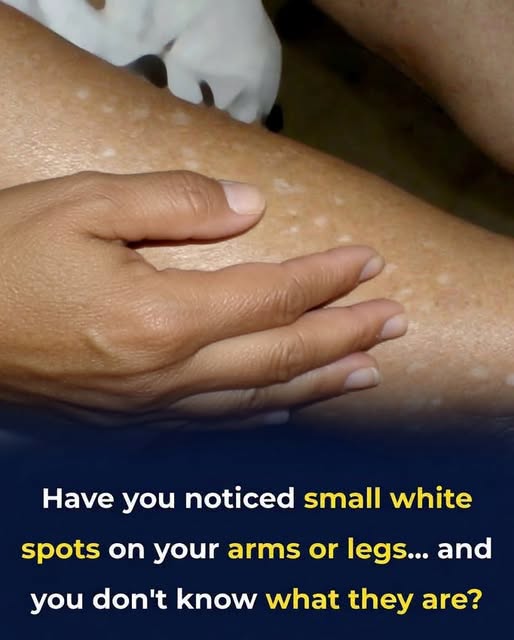
White spots on the skin can sometimes catch you by surprise. In many cases, these lighter patches are harmless and temporary, but they may also signal that your body is lacking certain nutrients. While vitamin deficiencies are not the only possible cause, maintaining proper nutrition plays an important role in supporting healthy skin.
Your skin depends on a variety of vitamins and minerals to produce melanin, the natural pigment responsible for skin color. When the body does not receive enough of these nutrients, changes in pigmentation may occur, leading to lighter or uneven patches in some individuals.
One of the most important nutrients linked to skin pigmentation is vitamin B12. This vitamin supports healthy cell growth and helps maintain normal skin function. Low vitamin B12 levels may affect the body’s ability to produce pigment, which can contribute to pale or white areas on the skin. People who follow vegetarian or vegan diets, as well as those with digestive conditions that reduce nutrient absorption, may have a higher risk of developing a deficiency.
Vitamin D is another essential nutrient for overall skin health. It helps support the immune system and contributes to normal skin function. Because the body produces vitamin D through sunlight exposure, people who spend little time outdoors or live in regions with limited sunlight may be more likely to have lower levels.
In addition to vitamins, several minerals also contribute to maintaining healthy skin color. Zinc supports skin repair and renewal, while copper is involved in the production of melanin. A shortage of these minerals may affect the skin’s natural pigmentation and overall appearance.
Eating a balanced diet is one of the best ways to support healthy skin. Foods rich in essential vitamins and minerals include leafy green vegetables, beans, lentils, nuts, seeds, eggs, dairy products, fish, and fortified cereals. Including a variety of these foods in your meals can help your body receive the nutrients it needs for healthy skin.
Although nutritional deficiencies may play a role, they are not the only explanation for white spots. Skin conditions such as fungal infections, eczema, post-inflammatory pigmentation changes, and other dermatological conditions can produce similar symptoms. Because these conditions require different treatments, it is important not to assume that diet is the only factor.
If white spots continue to spread, become more noticeable, or are accompanied by other skin changes, it is a good idea to consult a healthcare professional or dermatologist. A proper evaluation can help identify the underlying cause and determine the most appropriate treatment.
Maintaining a nutritious diet, protecting your skin, and seeking medical advice when needed are all important steps toward keeping your skin healthy and maintaining an even skin tone.