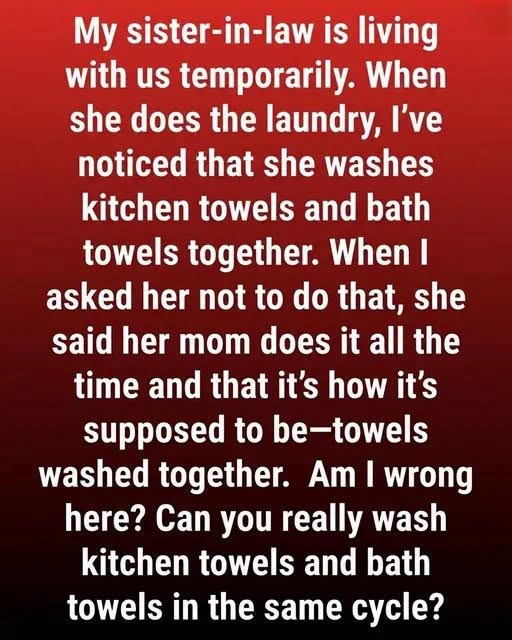
Keeping towels clean is an important part of maintaining a healthy home. While it may seem convenient to wash all towels together in one load, separating kitchen towels from bathroom towels can help reduce the transfer of dirt, food residue, and bacteria between different areas of the home.
Many people combine all towels in the washing machine to save time, water, and energy. In many cases, modern detergents and a proper wash cycle can effectively clean everyday laundry. However, the type of towel and how it has been used should be considered before deciding what belongs in the same load.
Kitchen towels often come into contact with food preparation areas, countertops, cooking oils, and spills. If they are used while handling raw meat, poultry, seafood, or eggs, they may pick up bacteria that require thorough cleaning. Bathroom towels, on the other hand, are generally used after bathing or washing hands and are exposed to different kinds of moisture and everyday germs.
For lightly used kitchen towels that have only dried clean hands or dishes, washing them with bath towels using a quality detergent and an appropriate water temperature is generally considered acceptable. However, towels that have cleaned up food spills or greasy messes should be washed separately whenever possible.
Separating heavily soiled kitchen towels helps reduce the chance of food residue transferring to other fabrics during the wash. Choosing a hotter wash setting—when recommended by the care label—and using a suitable detergent can help remove oils and improve cleaning performance.
Drying towels completely is just as important as washing them properly. Damp towels left sitting in the washing machine or folded while still wet can develop unpleasant odors because moisture encourages the growth of mold and mildew. Using a clothes dryer or hanging towels in a well-ventilated area until they are fully dry helps keep them fresh.
If a towel continues to have an unpleasant odor even after washing, it may be a sign that detergent residue, oils, or bacteria have built up in the fibers. Washing it again using the appropriate settings may help, but if the odor persists despite repeated cleaning, replacing the towel is often the best solution.
A simple way to stay organized is to use different colored towels for different purposes. For example, one color can be reserved for the kitchen while another is used only in the bathroom. This makes it easier to separate laundry and reduces accidental mixing.
Good towel hygiene also includes replacing towels when they become worn, damaged, or difficult to clean. Fresh towels not only feel better to use but also help support a cleaner household.
Building small habits into your laundry routine can make a noticeable difference. Checking how a towel was used before placing it in the washing machine, washing heavily soiled kitchen towels separately, using the correct detergent, and ensuring towels are completely dry are all simple practices that help keep fabrics cleaner and fresher.
With a little extra attention during laundry day, you can help maintain a more organized, hygienic home while extending the life of your towels. These easy steps promote better cleanliness without adding much extra effort to your routine.