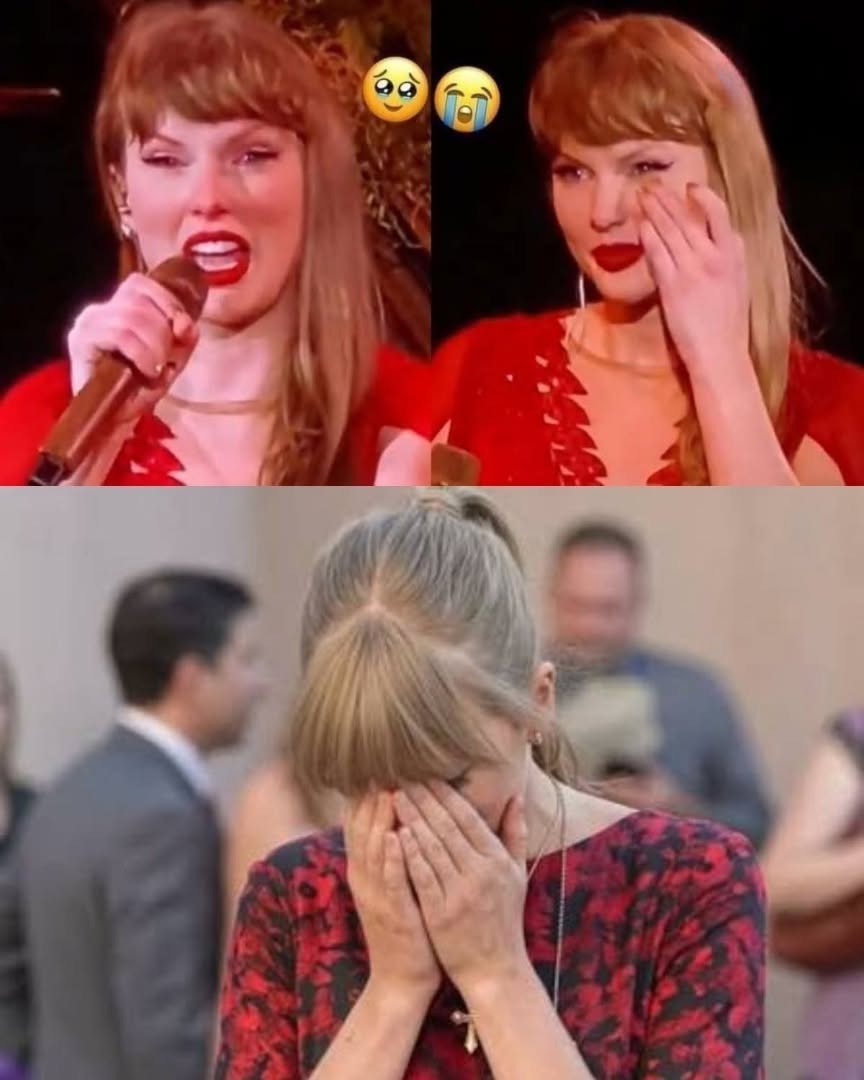
A wave of discussion surrounding Taylor Swift has recently spread across social media, with posts making claims about the singer’s health and well-being.
The story quickly caught the attention of fans, many of whom began asking the same question: What is actually happening?
At this point, however, the claims circulating online should be treated carefully. The material being shared has not been established as confirmation of a specific medical condition or emergency through a reliable public statement.
That distinction matters.
When a story involves someone’s health, especially a globally recognized public figure, social media posts can easily move faster than verified information.
Why Fans Are Paying Attention
Taylor Swift has one of the world’s largest and most active fan communities. Because of her visibility, even a short or ambiguous post can generate thousands of reactions within a very short period.
Fans regularly follow her music, performances, interviews, public appearances, and professional projects. For many people, her songs are also connected to important moments in their own lives.
That emotional connection can make unexpected stories about the singer particularly powerful.
When posts suggesting that something may be wrong begin appearing online, fans naturally want answers.
Some immediately share messages of support. Others search for additional information. And many begin looking for a trustworthy source that can confirm whether the original claim is accurate.
How the Story Started Spreading
The discussion appears to have been fueled by posts referencing an alleged message involving people described as being close to Swift.
However, the information presented in these posts has been limited, leaving significant questions unanswered.
What was the original source?
Was the message authentic?
Was the wording taken out of context?
Has anyone officially confirmed the information?
These questions are especially important because screenshots and reposted content can quickly become separated from their original source.
Once that happens, readers may encounter a claim without knowing where it originally came from.
Why Social Media Can Make Rumors Grow So Quickly
A single post can reach an enormous audience in minutes.
One person sees a claim and shares it with friends. Another person reposts it with a different caption. Someone else adds an interpretation. Before long, thousands of people may be discussing information that has never been independently confirmed.
This process can happen even when nobody involved is deliberately trying to spread false information.
People often share posts because they believe the information has already been checked by someone else.
But repeated sharing does not make a claim verified.
A statement can be viewed millions of times and still remain unconfirmed.
That is particularly important when the subject involves health or other private matters.
Concern Is Not the Same as Confirmation
Fans can understandably feel concerned when they encounter alarming information about someone they admire.
But there is an important difference between expressing concern and presenting an unverified claim as fact.
For example, saying “I hope Taylor is doing well” does not establish that anything serious has happened.
Likewise, encouraging people to wait for reliable information is not the same as dismissing the concerns of fans.
Keeping those ideas separate can help prevent unnecessary panic while still allowing people to show support.
The Importance of Reliable Sources
When a celebrity-related story begins trending, readers may want to check several things before accepting the information as factual.
Look for information from established news organizations, official representatives, verified public statements, or direct statements from the person involved.
It can also help to examine the date of the original post.
Older stories are sometimes reposted as though they are new, creating the impression that a recent event has occurred when the underlying material may actually be much older.
Readers should also be cautious with headlines that use phrases such as “shocking news,” “fans are devastated,” or “you won’t believe what happened” without providing specific evidence.
These phrases are often designed to encourage clicks rather than provide clear information.
Why Celebrity Health Stories Require Extra Care
Health information is highly personal.
Even people who live much of their lives in the public eye have a right to privacy regarding medical matters.
Celebrity status does not automatically mean that every health-related claim circulating online is accurate or that the public is entitled to immediate details.
For readers, the most responsible approach is to separate what is known from what is being speculated.
That means asking a simple question before sharing:
Has this actually been confirmed?
If the answer is unclear, waiting for reliable information may be better than contributing to a rapidly spreading rumor.
Fans Continue to Wait for Clear Information
The online discussion surrounding Taylor Swift demonstrates how quickly uncertainty can become a major social media story.
Supportive messages, questions, speculation, and requests for reliable information can all appear at the same time.
For fans, the situation may be frustrating because social media often provides plenty of discussion but very little certainty.
Until credible information becomes available, readers should be careful not to treat circulating posts as proof of a specific health condition or medical event.
The story may continue to attract attention, but the most important distinction remains simple:
A viral claim is not automatically a verified fact.
For now, fans can express their support while allowing reliable sources and confirmed statements—not speculation—to establish what has actually happened.