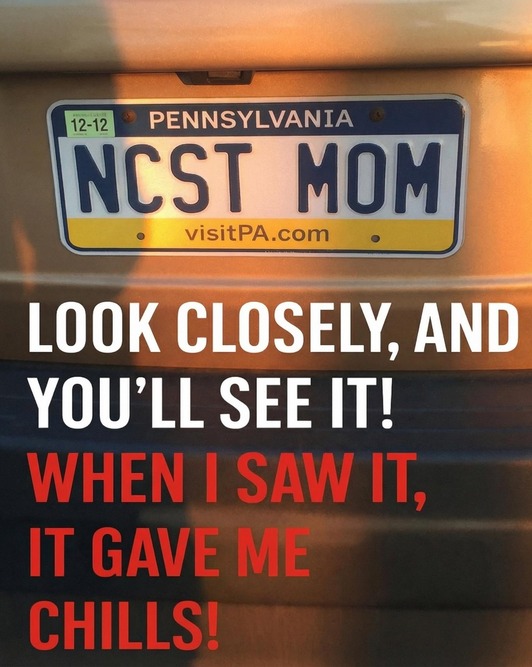
A Closer Look at a License Plate and the Unexpected Conversation It Sparked
What began as a lighthearted joke on a Nevada vanity license plate quickly turned into a much broader public discussion. The personalized message, originally intended as humor directed at recent arrivals to the state, ended up touching on deeper issues such as housing affordability, community identity, and the rapid changes affecting growing regions.
It's a distinctly modern story: a seven-character joke, stamped in metal, that became a mirror for an entire state's anxieties.
The Plate That Started It All
Nevada's vanity plate program lets drivers express themselves with personalized letter combinations, and most are harmless fun: nicknames, hobbies, professions, sports loyalties. This particular plate took aim at newcomers to the state, playing on the well-worn tension between longtime residents and recent transplants.
While the plate may have been created with playful intent, many long-time residents saw it as an expression of real frustrations. Rising rent prices, increased competition in the job market, and growing pressure on local infrastructure have made daily life more challenging for some. To those individuals, the message felt symbolic of concerns they had been experiencing for years.
Nevada has been one of the fastest-growing states in the nation, with waves of new residents drawn by jobs, relatively affordable housing (compared to coastal neighbors), and no state income tax. Growth brings prosperity, but it also brings growing pains, and growing pains need somewhere to go. Sometimes they go onto a license plate.
Two Ways to Read the Same Message
Others interpreted the plate very differently. Critics argued that humor can sometimes cross a line, especially when it appears to single out newcomers rather than addressing larger economic forces. From this viewpoint, the message risked encouraging division and reinforcing an "us versus them" mindset at a time when many communities are already feeling strained.
This split in interpretation is the heart of the story:
- Reading one: harmless venting. It's a joke about growth, the kind of grumbling every booming region produces. Nobody is harmed by a license plate, and longtime residents deserve space to express frustration about changes affecting their home.
- Reading two: punching down. Newcomers are often people seeking better lives, and mocking them on a state-issued plate gives official sanction to exclusion. The real culprits behind housing costs are policy and markets, not the family that just moved in.
Both readings contain truth, which is why the debate never quite resolves. Humor about demographic change sits on a fault line between legitimate local identity and exclusionary gatekeeping, and reasonable people land on different sides.
When the DMV Stepped In
When the Nevada Department of Motor Vehicles chose to recall the plate, the decision was intended to uphold existing guidelines and prevent potential offense. Most states give their motor vehicle departments authority to reject or revoke plates deemed offensive, and Nevada is no exception.
Instead of settling the matter, the action brought even more attention to the situation. Images of the plate spread quickly online, transforming what might have remained a local curiosity into a national conversation. It's a familiar dynamic: the attempt to suppress a message often amplifies it, a phenomenon sometimes called the Streisand effect.
The recall also raised its own questions. Where exactly is the line between edgy humor and prohibited content? Who decides? And does revoking a plate punish the sentiment or merely drive it to less visible outlets? These are genuinely difficult questions for any agency tasked with regulating expression on government-issued property.
The Real Issues Underneath the Joke
Strip away the controversy, and the plate was pointing at real pressures:
- Housing affordability: Rapid population growth strains housing supply, pushing rents and home prices beyond what longtime residents can afford. This is a policy challenge, not a punchline, but the frustration is legitimate.
- Infrastructure strain: Roads, schools, water systems, and public services all feel the weight of growth. Residents experience this daily in traffic, crowded classrooms, and longer waits.
- Cultural change: Longtime residents sometimes feel their community's character slipping away as new arrivals bring different expectations and norms. This sense of loss is real even when it's nobody's fault.
- Economic anxiety: Competition for jobs and the perception, accurate or not, that newcomers drive up costs while competing for opportunities fuels resentment.
None of these problems are solved by a license plate joke, and none are caused by the people the joke targeted. They're structural challenges requiring structural responses: housing policy, infrastructure investment, and inclusive community planning.
What the Episode Teaches About Modern Discourse
The license plate saga is small in itself, but it illustrates patterns that show up everywhere in contemporary public life:
- Small symbols carry big debates: In a connected age, any artifact can become a vessel for larger arguments. The plate was never just about the plate.
- Intent and impact diverge: The driver's intent may have been pure humor, but impact is determined by audiences, and audiences include people experiencing real hardship.
- Institutions can't dodge the culture wars: The DMV just wanted to administer plates. Instead, it found itself adjudicating a debate about belonging, humor, and free expression.
- Underlying issues persist: Long after the plate is forgotten, Nevada's growth challenges will remain. The conversation the plate sparked is more valuable than the plate itself, if it leads anywhere productive.
Frequently Asked Questions
Why was the Nevada license plate recalled?
The Nevada DMV determined the plate's message violated guidelines against potentially offensive content. The recall was meant to enforce existing standards, though it drew more attention to the plate.
Are vanity plates considered free speech?
This is legally complex. Courts have treated license plates as a mix of government and private speech, giving states considerable latitude to regulate content. Policies vary by state.
What were residents actually frustrated about?
Primarily the effects of rapid growth: rising housing costs, infrastructure strain, job competition, and cultural change. The plate became a symbol for these broader anxieties.
Do newcomers really cause housing prices to rise?
Population growth increases housing demand, which affects prices, but the fundamental issue is usually housing supply failing to keep pace. Economists generally point to zoning, construction rates, and policy as the key levers.
Can I get a controversial vanity plate in my state?
Every state has its own review process and standards. What's permitted varies widely, and plates deemed offensive, confusing to law enforcement, or duplicative are routinely rejected.