A Hidden Treasure in My Grandmother's Closet: What I Discovered Took Me Back in Time
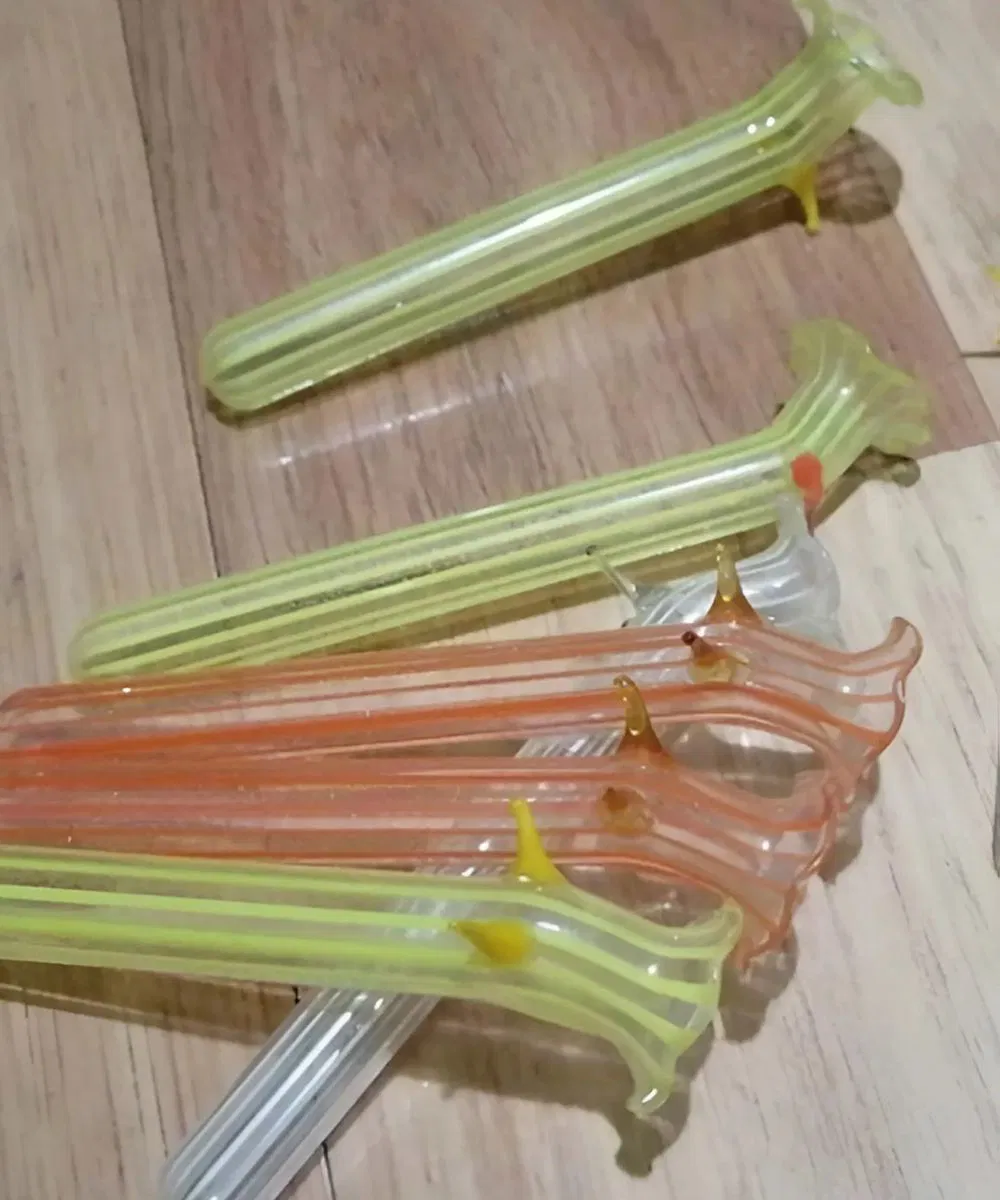
While sorting through an old box tucked away at the back of my grandmother's cupboard, I stumbled upon something curious. Thin, colorful, and slightly shiny, they immediately caught my eye. At first, I thought they were leftover Christmas decorations or perhaps quirky cocktail stirrers that had been forgotten over the years. But when I picked them up, I realized they were different. Delicate and fragile, each piece was made of glass, bright orange, soft yellow, deep green, each one fitted with a tiny hook. I couldn't help but wonder: what on earth were these unusual objects used for?
The Mystery Unfolds
Intrigued, I asked my grandfather's brother if he knew what they were. His reaction surprised me, he laughed warmly before explaining, as though revealing a long-lost secret: "They're miniature vases for suit pockets. For buttonholes."
Mini vases, for jackets? The idea sounded almost unreal. Yet, as he described them, the picture became clear. These slim glass tubes were designed to hold a single flower in a man's jacket pocket, with just a drop of water to keep it fresh throughout the evening.
What seemed like a simple accessory suddenly revealed itself as a symbol of elegance and refinement. In earlier times, these small pocket vases were not just decorative trinkets. They carried meaning.
The Language of Flowers
A bloom placed carefully in a buttonhole could express feelings words sometimes could not. This was part of a much older tradition: the language of flowers, sometimes called floriography, which reached its height of popularity in the Victorian era. In a time when direct expression of emotion was often considered improper, flowers became a coded vocabulary of the heart.
Consider what different blooms could say:
- A white carnation often symbolized purity and was perfect for weddings.
- A red rose was chosen for a romantic date, declaring passion without a word.
- An orchid might accompany a visit to the theater, adding an exotic touch of sophistication.
- A violet could signal modesty or faithful devotion.
- A gardenia, famously worn by elegant gentlemen, suggested secret love.
Every flower carried a message, and the tiny vase was the perfect companion, preserving its beauty throughout the night. It wasn't just about fashion, it was about intention, romance, and an art of living that valued subtlety.
A Glimpse Into a More Deliberate Era
These pocket vases, sometimes called boutonniere vases or buttonhole vases, were popular from the late 19th century through the mid-20th century. They were often made of glass, silver, or porcelain, and some were exquisitely crafted. A gentleman heading to dinner, the theater, or a wedding would fill the tiny tube with water, slip in a single bloom, and tuck it into his breast pocket or buttonhole.
Think about what that ritual implies. It required planning: choosing the flower, preparing the vase, dressing with care. It required intention: the flower was not random decoration but a chosen message. And it required a certain philosophy: that beauty was worth effort, that details mattered, that how you presented yourself to the world was a form of respect, for others and for yourself.
Today, style often revolves around speed and practicality, jeans, sneakers, and a quick dash to work. There is nothing wrong with comfort, but something has been lost in the rush. Holding those miniature vases reminded me that true elegance lies in small details.
Why Old Objects Move Us
There is a reason discovering an object like this feels so powerful. Psychologists note that physical objects connected to our ancestors create a sense of continuity. They are tangible proof that the people who came before us lived full, textured lives, with their own rituals, romances, and small vanities.
A pocket vase is not valuable in monetary terms. Its value is narrative. It tells a story about who my grandmother was, who the men in her life were, and what their world valued. It connects me to evenings I will never attend, conversations I will never hear, and a standard of thoughtfulness I can still choose to honor.
Family heirlooms, even humble ones, serve as anchors. In a disposable culture, they remind us that some things were made to last, and made to mean something.
Bringing the Poetry Back
A single flower in the pocket of a suit was more than decoration; it was a gesture that spoke volumes about care, thoughtfulness, and beauty. Though these little vases may no longer be in style, they still hold meaning. They remind us that beauty often hides in details we overlook.
Now, those delicate glass vases sit proudly on my shelf as keepsakes. Whenever I glance at them, I feel inspired to add a touch of poetry to daily life. Why wait for a special occasion to appreciate beauty? A simple flower on the table, tucked in the hair, or even given without reason at all can brighten a moment. It's a small, inexpensive gesture, but one that carries warmth, sincerity, and meaning.
Perhaps, by reviving little traditions like these, we can rediscover the quiet elegance of a time when every detail was an expression of love for life itself. You don't need a pocket vase to do it. You just need to slow down enough to notice the details, and care enough to honor them.
Frequently Asked Questions
What were miniature pocket vases used for?
They were small glass or metal tubes designed to hold a single flower with a drop of water, worn in a man's jacket breast pocket or buttonhole. They kept the bloom fresh throughout an evening at dinner, the theater, or a wedding.
When were boutonniere vases popular?
They were most popular from the late 1800s through the mid-1900s, an era when formal dress and floral accessories were part of everyday elegant life for many men.
What did different buttonhole flowers symbolize?
In the language of flowers, a white carnation suggested purity, a red rose declared romantic love, an orchid conveyed exotic sophistication, and violets signaled modesty or devotion. The choice of bloom carried intentional meaning.
Are pocket vases still made today?
Yes, though they are now mostly collectors' items or vintage finds. Some artisans still craft them, and they occasionally appear at weddings with a vintage theme. Antique shops and estate sales are good places to find originals.
How can I display vintage pocket vases?
They make lovely shelf or mantel displays, especially grouped by color. Some people use them as tiny bud vases for fresh flowers, which is exactly what they were designed for. Handle them carefully, as antique glass is fragile.
What is floriography?
Floriography is the "language of flowers," a system of symbolic meanings assigned to different blooms. It was especially popular in the Victorian era, when flowers were used to communicate feelings that social etiquette made difficult to express directly.