
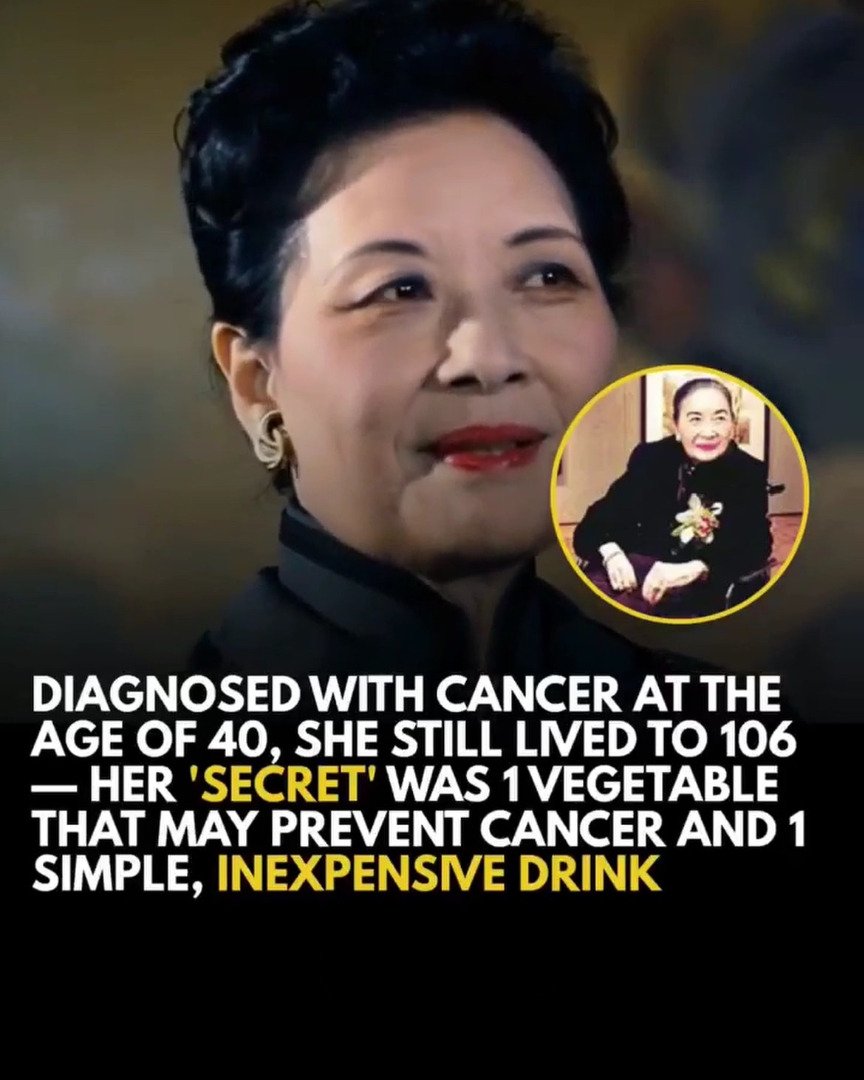
A Legacy of Wellness: The Life, Resilience, and Longevity of Soong Mei-ling
Soong Mei-ling, often known as Madame Chiang, remains one of the most influential figures in modern Chinese history. Renowned for her role in shaping political dialogue and international relations during the early 20th century, she was far more than the spouse of a national leader. She stood out as a confident diplomat, a compelling speaker, and a powerful cultural link between East and West.
Early Life and Education
Born into the prominent Soong family, Mei-ling benefited from a strong educational background and global exposure from an early age. The Soong family was among the most consequential in modern China, with siblings who would each play major roles in the country's turbulent 20th century.
Her studies in the United States gave her something rare among Chinese political figures of her era: genuine bicultural fluency. She did not merely learn English; she absorbed American culture, rhetoric, and political sensibility. Her fluency in English helped her connect with international audiences, earning admiration worldwide and strengthening her role in global affairs.
This education shaped everything that followed. When she later addressed American audiences and legislators, she was not speaking through translators or cultural intermediaries. She was speaking directly, in an idiom her listeners understood instinctively, carrying Chinese perspectives in American packaging.
A Diplomat on the World Stage
As the wife of Chiang Kai-shek, Mei-ling could have occupied a ceremonial role. Instead, she became one of the most effective unofficial diplomats of her time. During the Second World War, her advocacy for China's cause in the United States was instrumental in shaping American perceptions and policy.
Her 1943 address to the U.S. Congress made her the first Chinese national and only the second woman to receive that honor. The speech was a masterclass in cross-cultural persuasion: she presented China's struggle in terms Americans recognized, appealed to shared values, and made a distant war feel personal to legislators thousands of miles from the front.
She cultivated relationships with American political figures, journalists, and opinion leaders with a sophistication that professional diplomats studied. Whether one admires or critiques the politics she served, her skill as a communicator is beyond dispute.
Facing Illness With Determination
At age 40, she faced a serious health challenge after being diagnosed with cancer. Despite the severity of the illness, she approached it with determination and resilience. Over time, she recovered and went on to live an exceptionally long life.
A cancer diagnosis at 40, in an era when oncology was far less advanced than today, was a grave matter. Her recovery and subsequent longevity are remarkable by any standard. Those who knew her attributed her survival not only to medical care but to a formidable will, the same determination that characterized her public life applied to her private battle.
The Longevity: 106 Years
She went on to live an exceptionally long life, reaching the age of 106. Even in her later years, she was known for maintaining her elegance, mental sharpness, and active lifestyle. She passed away peacefully in 2003, leaving behind a lasting legacy of strength and influence.
Living to 106 places her among the most long-lived major political figures in modern history. Her lifespan covered the fall of imperial China, two world wars, the Chinese civil war, the Cold War, and the dawn of the 21st century. She was not merely a witness to a transformative century; she was a participant in its shaping.
Daily Habits and Disciplined Living
Her longevity and vitality sparked curiosity and admiration, with many attributing her well-being to her disciplined daily habits and balanced lifestyle. She followed a consistent routine, typically sleeping at 11 p.m. and rising early, maintaining the kind of regularity that sleep researchers now recognize as foundational to health.
Accounts of her daily life emphasize:
- Consistent sleep schedule. Regular bedtimes and wake times, maintained for decades.
- Moderation in diet. Balanced meals without excess, reflecting both cultural tradition and personal discipline.
- Mental engagement. She remained intellectually active well into advanced age, reading, writing, and following world affairs.
- Composure as practice. Her famous poise was not merely performative; those close to her described it as a cultivated discipline extending to private life.
- Purpose. A life organized around meaningful work provides the psychological structure that researchers associate with longevity.
It would be simplistic to reduce 106 years to a bedtime. Genetics, healthcare access, and fortune all played roles. But the discipline is real and documented, and it aligns with what modern longevity research identifies as protective: regularity, engagement, moderation, and purpose.
The Cultural Bridge
Perhaps her most enduring significance lies in her role as a link between East and West. At a time when mutual incomprehension between China and America carried geopolitical consequences, she was one of the few figures genuinely fluent in both worlds.
This bridging function extended beyond politics. She introduced Western audiences to Chinese perspectives and, within China, represented a cosmopolitan modernity. Her life demonstrates the power of cultural fluency: not merely speaking two languages but understanding two worldviews deeply enough to translate between them.
A Complex Legacy
Any honest account must acknowledge complexity. Mei-ling's legacy is debated by historians, particularly regarding the political regime she represented and its record. Admiration for her personal qualities, her resilience, her intellect, her longevity, coexists with critical assessment of the politics she served.
This duality does not diminish the lessons of her life. If anything, it enriches them. She demonstrates that personal excellence and political controversy can inhabit the same biography, and that studying a life means holding both truths simultaneously.
Frequently Asked Questions
Who was Soong Mei-ling?
Known as Madame Chiang, she was one of modern China's most influential figures: a diplomat, speaker, and cultural bridge between East and West, as well as the wife of Chiang Kai-shek.
How long did she live?
She lived to 106, passing away peacefully in 2003. Her lifespan covered the fall of imperial China through the dawn of the 21st century.
What were her daily habits?
She maintained a disciplined routine including consistent sleep (typically in bed by 11 p.m.), moderation in diet, ongoing mental engagement, and a life organized around purposeful work.
What was her most famous diplomatic moment?
Her 1943 address to the U.S. Congress, which made her the first Chinese national and only the second woman to address Congress, was instrumental in shaping American support for China during World War II.

