
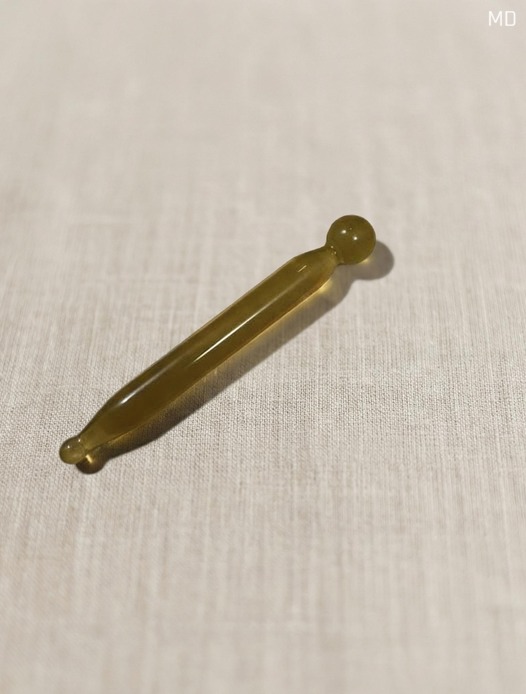
A Simple Foot Massage Tool That's Gaining Attention for Everyday Comfort
If you've ever seen a small amber-colored stick being rolled under someone's feet and wondered what it does, you're not alone. This compact wellness tool, often known as a resin foot massage stick or foot roller, is becoming increasingly popular among people who spend long hours on their feet. From healthcare workers and teachers to athletes and retail employees, many individuals are turning to this straightforward device as part of their daily self-care routine.
Its growing appeal comes from its simplicity. There are no batteries, cords, or complicated instructions, just a lightweight tool designed to help tired feet feel refreshed after a busy day.
What Is a Resin Foot Massage Stick?
A resin foot massage stick is typically 6 to 8 inches long and made from natural tree resin or durable, non-toxic synthetic materials. Its smooth surface often includes subtle ridges to provide gentle stimulation when rolled under the foot. Unlike some plastic or wooden rollers, resin versions tend to have a slightly grippy texture and remain cool to the touch. This combination allows for steady, controlled pressure when used along the arch and heel.
The design is deliberately minimal. A simple cylinder, sometimes with contoured ridges, sized to fit under the arch of the foot. It slips into a bag, a desk drawer, or a gym kit. There is nothing to charge, nothing to break, and nothing to learn. You sit down, place it on the floor, and roll.
This simplicity is part of a broader trend in wellness: tools that do one thing well, without apps, subscriptions, or complexity.
Why Feet Need Attention
Feet are remarkable structures. Each foot contains 26 bones, 33 joints, and more than 100 muscles, tendons, and ligaments. They carry the entire weight of the body, mile after mile, day after day. Yet they are among the most neglected parts of the body in most self-care routines.
People who spend long hours standing, nurses on 12-hour shifts, teachers on classroom floors, retail workers on concrete, athletes in training, subject their feet to sustained stress. Over time, this can lead to:
- General foot fatigue, that heavy, achy feeling at the end of the day.
- Tightness in the plantar fascia, the thick band of connective tissue running along the bottom of the foot.
- Stiffness in the arch and heel, especially noticeable first thing in the morning.
- Reduced circulation in the feet after long periods of standing still.
Regular foot massage addresses these issues directly, through mechanical pressure, stretching, and stimulation of blood flow.
Potential Benefits for Tired Feet
Many people use foot rollers to help ease general foot fatigue and mild muscle tightness. Rolling the stick under the arches can create a gentle stretching motion, which may support flexibility in the plantar fascia, the connective tissue that runs along the bottom of the foot. Some physical therapists suggest similar rolling techniques as part of at-home care for minor arch discomfort.
Additionally, the repetitive motion may encourage circulation in areas that feel stiff after standing or walking for extended periods. The combination of pressure and movement helps wake up tired tissues, similar to how a brief walk can relieve stiffness after sitting.
While reflexology, the belief that specific points on the feet correspond to other parts of the body, is considered a complementary wellness practice, many users report feeling more relaxed overall after incorporating foot massage into their routine. Whether the relaxation comes from reflexology principles or simply from focused self-care time, the subjective benefit is real for many people.
It's important to note that tools like these are intended to support comfort and relaxation, not replace professional medical care. They are wellness aids, not treatments.
How to Use It Safely
Using a resin foot massage stick is simple:
1. Sit comfortably in a sturdy chair with both feet flat on the floor.
2. Place the roller on the floor in front of you.
3. Rest one bare foot on the stick, positioning it under the arch.
4. Gently roll from heel to ball, using your body weight to control pressure.
5. Adjust pressure to a level that feels comfortable, never painful.
6. Continue for several minutes on each foot, pausing on tender spots with gentle sustained pressure.
Start with light pressure and short sessions, especially if your feet are very sensitive. Two to five minutes per foot is plenty for most people. The sensation should feel like a deep, satisfying pressure, not sharp pain.
If you have chronic foot pain, reduced sensation, diabetes-related concerns, or circulation issues, consult a healthcare professional before using any massage device. People with diabetes, in particular, should be cautious with foot massage tools because reduced sensation can mask injury.
Building It Into Your Routine
The best wellness tools are the ones you actually use. The foot massage stick earns its place because it fits easily into existing routines:
- After work: A few minutes of rolling while unwinding in the evening.
- Post-workout: As part of a cool-down, especially after running or standing sports.
- At your desk: Keep one under your desk for discreet midday relief (with shoes off).
- Morning stiffness: A quick roll before getting moving can ease that first-steps-of-the-day ache.
- Travel: Its compact size makes it ideal for long flights or road trips.
Pair it with other simple foot care: proper footwear, moisture-wicking socks, regular stretching of calves and arches, and giving feet time out of shoes each day.
A Practical Addition to Self-Care
For many people, this modest and affordable tool offers a convenient way to unwind at the end of the day. Whether used after a workout, a long shift, or simply as part of a relaxing evening routine, a resin foot massage stick can provide a small but meaningful boost in everyday comfort.
Sometimes, the simplest solutions are the ones people appreciate most. No charging cable. No instruction manual. Just a small stick, a few minutes, and feet that feel human again.
Frequently Asked Questions
What is a resin foot massage stick?
A small cylindrical tool, typically 6 to 8 inches long, made from natural tree resin or synthetic materials, designed to be rolled under the foot. Ridges or texture provide gentle stimulation to the arch and heel.
Does it actually help with foot pain?
Many users report relief from general foot fatigue and mild tightness. Rolling can gently stretch the plantar fascia and encourage circulation. It is a comfort aid, not a medical treatment, and persistent pain should be evaluated by a professional.
How often should I use it?
Daily use for a few minutes per foot is fine for most people. Listen to your body: if an area is very tender, use lighter pressure or less time. Consistency matters more than intensity.
Can people with diabetes use foot massage tools?
With caution and ideally after consulting a healthcare provider. Diabetes can cause reduced sensation in the feet (neuropathy), which means injury from excessive pressure might go unnoticed. A doctor or podiatrist can advise on safe use.
Is there science behind reflexology?
Reflexology's specific claims about foot points corresponding to organs lack strong scientific evidence. However, foot massage in general has documented benefits for relaxation, perceived pain relief, and well-being. Many users enjoy reflexology as a complementary practice regardless.
How do I clean the stick?
Wipe it down with a damp cloth and mild soap, then dry thoroughly. Resin is non-porous and easy to maintain. Avoid harsh chemicals that could degrade the surface.



