
Another Oncology Visit Brings Relief, Gratitude, and a Quiet Victory
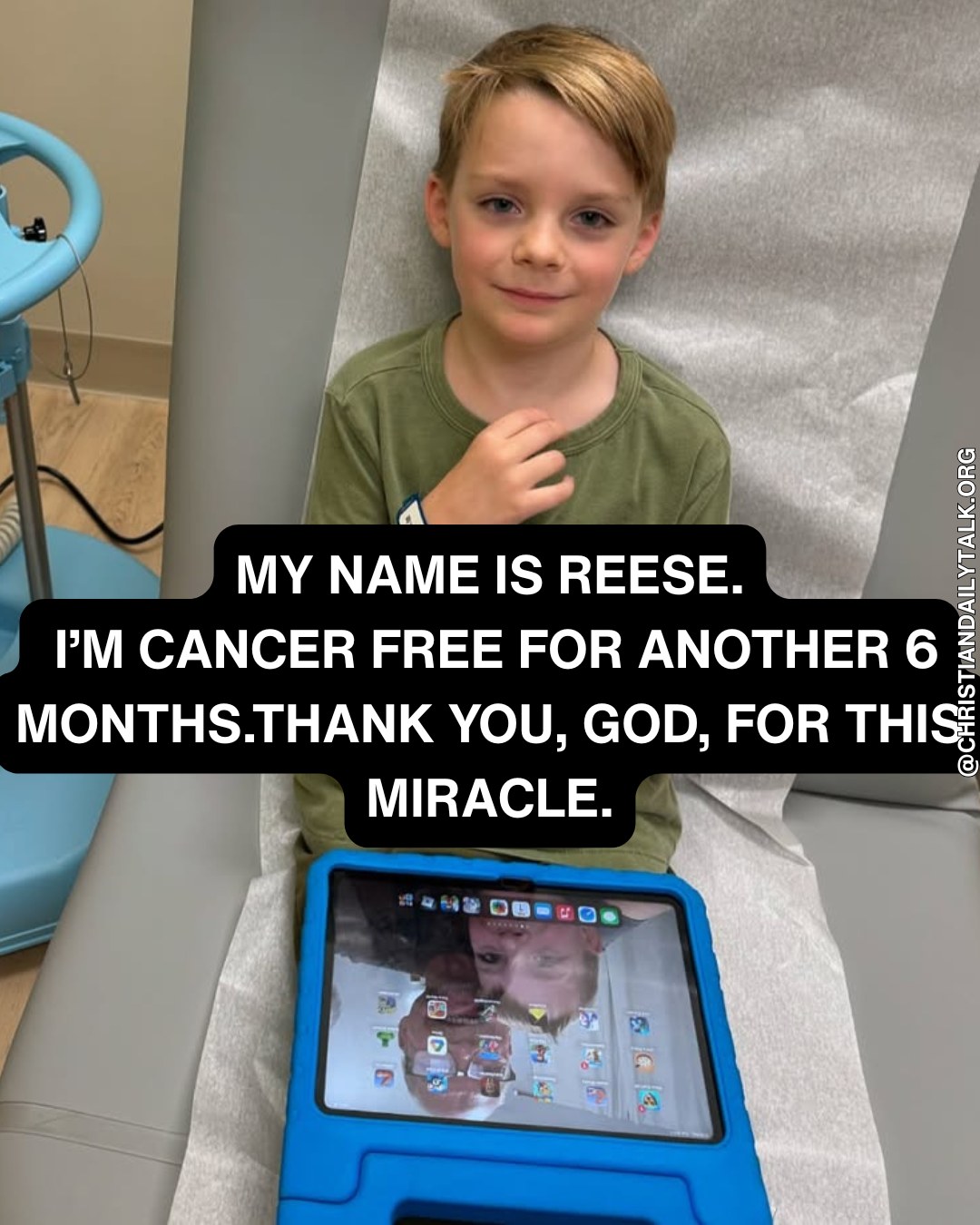
Another oncology check-up is behind us, and once again, we are holding onto the kind of news that never grows old: our brave little boy remains cancer free. Six more months of reassurance. Six more months of hope. Six more months to breathe a little easier.
But today's appointment felt different from the rest.
More Than a Clear Report
It wasn't only about the clear report or the comforting words from the medical team. It was about noticing the small, powerful ways healing continues long after treatment ends. Growth doesn't always announce itself. Sometimes it shows up in moments so quiet that you only recognize their weight once they've passed.
Parents of childhood cancer survivors know this rhythm intimately. The appointments never fully stop. They just space out: every three months, then six, then annually. Each one brings the same cocktail of hope and dread that the parents of healthy children will never understand. You walk into the clinic carrying the weight of every possible outcome, and you walk out either exhaling or bracing.
This time, we exhaled. And then something else happened that made the exhale sweeter.
The Chair
During the visit, when it was time for routine bloodwork, we witnessed one of those moments. Normally, Reese would climb into his mom's lap, needing her arms around him and soft encouragement to help him through. This time, he surprised us all.
He walked over to the chair on his own. He sat down calmly. He stayed still and focused, facing the moment with steady courage. There were no tears, no hesitation, just a child quietly showing how far he has come.
For a young boy who has already experienced more than most people do in a lifetime, this small act felt monumental. It was a reminder that strength doesn't always look loud or dramatic. Sometimes, it looks like confidence growing quietly after months and years of perseverance.
Think about what that chair represents. For a child who has been through cancer treatment, a clinic chair is not furniture. It's a memory palace of pain: the cold vinyl, the tourniquet, the needle, the smell of antiseptic. Every previous visit layered another association onto it. Walking to that chair alone, sitting down calmly, is not a small thing. It's a child rewriting his relationship with fear in real time.
What Healing Really Looks Like
We tend to imagine healing as a finish line: treatment ends, hair grows back, life resumes. The reality for childhood cancer survivors and their families is more nuanced. Healing is layered and ongoing.
- Physical healing continues long after the last treatment, as the body recovers from chemotherapy, radiation, or surgery.
- Emotional healing unfolds at a child's pace, often surfacing in unexpected moments of bravery like Reese's.
- Family healing happens as parents gradually release the hypervigilance that treatment required.
- Identity healing is the slow process of becoming more than “the kid who had cancer.”
Reese sitting in that chair alone touched all four layers at once. His body cooperated. His emotions stayed steady. His parents watched their son, not their patient. And he was just a kid being brave, not a survivor performing resilience.
The Parents' Journey
We are endlessly proud of our son, proud of his bravery, his gentleness, and the way he continues to move forward with trust and resilience. He teaches us daily that courage isn't the absence of fear, but the choice to keep going anyway.
But let's be honest about the parents too. We carry our own version of the chair moment. Every clear scan loosens something in our chests that we didn't know was still clenched. We are learning, appointment by appointment, to live in the present instead of the what-if. It's a practice, not an achievement. Some days we manage it. Some days the fear creeps back at 3 a.m.
What Reese taught us in that clinic is that our son is doing the work. He's not stuck. He's moving forward. And if he can walk to that chair alone, we can learn to exhale a little deeper too.
Gratitude as a Practice
Today, our hearts are full of gratitude. We are thankful for another clear scan, another deep breath of relief, and another chapter where life can feel just a little more normal. These moments allow us to focus less on appointments and more on laughter, growth, and everyday joys.
Above all, we give thanks for the gift of time: time to watch him learn, dream, and become exactly who he is meant to be. Today, we celebrate progress, peace, and the quiet victories that remind us how precious each day truly is.
Grateful for today. Hopeful for tomorrow. Thankful beyond words.
Gratitude, for families like ours, isn't a platitude. It's a discipline. It's the conscious decision to let the good news land, to feel it fully instead of immediately worrying about the next appointment. Six months of reassurance is not a small thing. It's half a year of birthday parties, school days, scraped knees, and bedtime stories. It's life, happening.
For Families Walking This Road
If you're in the thick of treatment right now, or in the long watchful years after, a few things we've learned:
- Celebrate the quiet victories. The chair moments matter as much as the clear scans.
- Let your child set the pace. Reese didn't need to be pushed. He was ready when he was ready.
- Take care of yourselves too. Parental burnout is real, and your child needs you whole.
- Connect with other families. Nobody understands the appointment-day dread like someone who's lived it.
- It's okay to still be scared. Courage and fear coexist. Reese proved that today.
Frequently Asked Questions
What happened at Reese's oncology visit?
He received another cancer-free report, six more months of reassurance. But the standout moment was his quiet bravery during bloodwork: walking to the chair alone, sitting calmly, with no tears or hesitation.
Why was sitting in the chair alone significant?
For a child with a history of cancer treatment, the bloodwork chair carries powerful associations with pain and fear. Facing it independently showed remarkable emotional growth and confidence.
How often do childhood cancer survivors need check-ups?
It varies by diagnosis and time since treatment, typically every few months initially, spacing out to every six months and then annually. Long-term follow-up continues for years.
What is “scanxiety”?
The anxiety families feel before and during follow-up appointments and while awaiting results. It's extremely common among cancer families and can persist long after treatment ends.
How can people support families of childhood cancer survivors?
Acknowledge their ongoing journey without defining them by it, celebrate milestones with them, offer practical help around appointment days, and understand that “cancer-free” doesn't mean the worry instantly disappears.



