
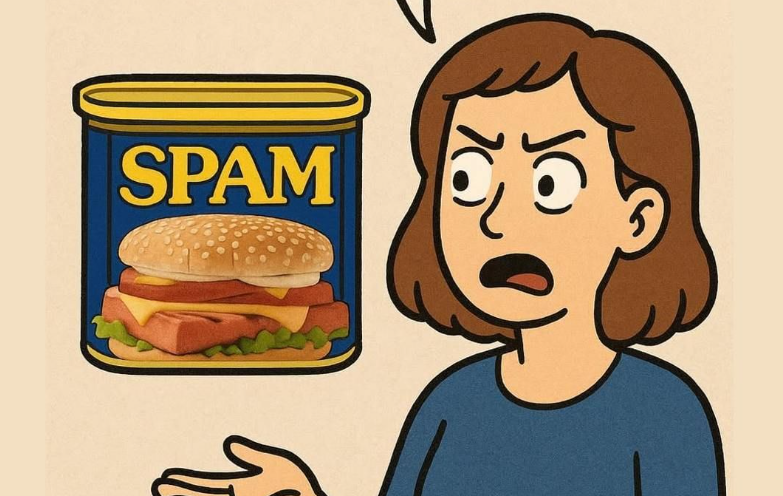
Beyond the Can: The Legacy and Origins of SPAM
An American Icon in a Blue and Yellow Can
SPAM has long appeared as a common feature in kitchen pantries through many eras, particularly during those memorable trips to grandmother's house. That familiar rectangular can, with its bold blue and yellow label, is one of the most recognizable food packages in history. Love it or joke about it, SPAM has earned a permanent place in American culinary heritage and in food cultures around the world.
Few foods inspire such strong reactions. To some, SPAM is comfort food, a taste of childhood, and a symbol of resourcefulness. To others, it is the punchline of jokes about mystery meat. But behind the humor lies a remarkable story of innovation, wartime necessity, and cultural adaptation that spans nearly nine decades.
The Birth of SPAM: 1937
Hormel Foods first launched SPAM in 1937, during the depths of the Great Depression. The timing was no accident. American families were struggling, meat was expensive, and there was a desperate need for affordable, shelf-stable protein. Hormel, a Minnesota-based meatpacker, saw an opportunity to create something new: a canned meat product that was inexpensive, convenient, and built to last.
The product rose in demand throughout World War II as standard food resources grew scarce. Thanks to its substantial consistency and reliable storage duration, SPAM soon turned into a reassuring essential amid challenging periods. It did not require refrigeration, it lasted for years on the shelf, and it provided real protein when fresh meat was rationed or unavailable.
Even now, numerous people link SPAM to coziness, ingenuity, and household gatherings enjoyed in less complicated times. For the generation that grew up during the war and its aftermath, the taste of fried SPAM is inseparable from memories of family kitchens and simpler days.
What's in a Name? The Mystery of "SPAM"
The source of the term "SPAM" has ignited interest over many years. Certain individuals claim it represents "Specially Processed American Meat," whereas different views hold that it refers to "Shoulder of Pork and Ham." The most commonly recognized account traces it to merging the terms "spiced" and "ham."
The naming story itself is a piece of Americana. In 1937, Hormel held a brand competition to name the new product, offering a $100 prize, a significant sum during the Depression. Ken Daigneau, the brother of a Hormel executive, proposed the winning title: SPAM. Whether he intended it as a contraction of "spiced ham" or simply liked the punchy sound, his suggestion beat out the competition and became one of the most famous brand names in history.
Regardless of the explanation, the title evolved into a legendary element within American culinary heritage. It is short, memorable, and utterly distinctive.
Simple Ingredients, Remarkable Staying Power
While its title might invite discussion, the components remain straightforward. SPAM includes pork, water, salt, potato starch, sugar, and a minor quantity of preservative to preserve quality. That is the entire list: six ingredients, all clearly stated, with no mystery despite the jokes.
The method consists of mixing the meats, enclosing them in containers, and cooking the sealed cans to ensure safety and longevity. This process, known as retort canning, sterilizes the contents and creates a vacuum seal that keeps the product safe at room temperature for years. It is the same fundamental technology that made canned foods a revolution in the 19th century, refined for the modern era.
The simplicity of the recipe is part of SPAM's enduring appeal. In an age of ingredient lists that read like chemistry textbooks, there is something reassuring about a product with six recognizable components. What you see is what you get: seasoned pork, preserved for whenever you need it.
SPAM Goes to War
World War II transformed SPAM from a Depression-era convenience into a global phenomenon. The U.S. military purchased enormous quantities, shipping it to troops in every theater of the war. For soldiers far from home, SPAM was a taste of America: familiar, filling, and reliably present when other supplies ran short.
The statistics are staggering. During the war years, Hormel shipped millions of pounds of SPAM overseas. It was eaten fried, baked, cold from the can, and incorporated into field recipes limited only by soldiers' creativity and desperation. Some veterans developed lifelong affection for it. Others swore they would never touch it again. Both reactions testify to how deeply the product embedded itself in the wartime experience.
But the war did something else: it introduced SPAM to the world. American troops shared it with allies and local populations across the Pacific, Europe, and Asia. In many places, it was the first canned meat people had ever tasted. That introduction planted seeds that would grow into enduring culinary traditions far from Minnesota.
A Global Culinary Citizen
One of SPAM's most remarkable legacies is how thoroughly it has been adopted into cuisines around the world, often in ways that would surprise its creators:
- Hawaii: SPAM musubi, a slice of grilled SPAM atop rice wrapped in nori, is an iconic local snack. Hawaii consumes more SPAM per capita than any other U.S. state, a legacy of wartime military presence.
- South Korea: Budae jjigae, or "army base stew," combines SPAM with kimchi, noodles, and other ingredients, born from the Korean War era when surplus military food mixed with local cuisine.
- The Philippines: SPAMsilog, SPAM served with garlic rice and egg, is a beloved breakfast combining American canned meat with Filipino flavors.
- Guam and the Pacific Islands: SPAM features prominently in local dishes, reflecting decades of American military influence in the region.
- The United Kingdom: Wartime imports made SPAM a staple during rationing, and it retains nostalgic appeal among older generations.
In each of these places, SPAM transcended its origins to become something local, something beloved, something woven into cultural identity. That is a rare achievement for any food product.
SPAM in Pop Culture
Beyond the kitchen, SPAM has carved out an outsized place in popular culture. The most famous example is Monty Python's 1970 sketch, in which a cafe menu consists almost entirely of SPAM and Vikings chant the word endlessly. The sketch was so iconic that when unwanted mass emails needed a name in the 1990s, "spam" was the natural choice.
Hormel has embraced the humor over the years, hosting SPAM festivals and leaning into the product's quirky image. The annual SPAM Jam in Hawaii draws thousands of fans. There is a SPAM Museum in Austin, Minnesota, Hormel's hometown, where visitors can explore the product's history. Few foods inspire museums. SPAM does.
Why SPAM Endures
Nearly ninety years after its launch, SPAM continues to sell in the billions of cans. Its endurance comes down to a combination of factors that remain relevant today:
- Affordability: It remains one of the cheapest sources of shelf-stable protein available.
- Convenience: No refrigeration needed, no preparation required, ready in minutes.
- Versatility: It can be fried, baked, grilled, diced into dishes, or eaten straight from the can.
- Nostalgia: For millions, it tastes like childhood, family, and simpler times.
- Emergency preparedness: Preppers and disaster planners value its indefinite shelf life.
- Cultural significance: In many communities, it is not just food but heritage.
In an era of artisanal everything and farm-to-table dining, SPAM's continued success is a reminder that food is about more than trends. It is about memory, necessity, and creativity.
Frequently Asked Questions
When was SPAM invented?
Hormel Foods launched SPAM in 1937 during the Great Depression. It rose to prominence during World War II when it became a staple for U.S. troops and civilians facing food rationing.
What does the name SPAM stand for?
The exact origin is debated. Popular theories include "Specially Processed American Meat," "Shoulder of Pork and Ham," and a contraction of "spiced ham." The name was proposed by Ken Daigneau, who won Hormel's 1937 naming contest.
What are the ingredients in SPAM?
SPAM contains just six ingredients: pork, water, salt, potato starch, sugar, and sodium nitrite as a preservative. The recipe has remained remarkably simple throughout its history.
Why is SPAM so popular in Hawaii and Asia?
U.S. military presence during and after World War II introduced SPAM to Pacific regions. Local cuisines adopted it enthusiastically, creating beloved dishes like Hawaii's SPAM musubi, Korea's budae jjigae (army base stew), and the Philippines' SPAMsilog.
How did SPAM become the term for junk email?
The connection comes from Monty Python's famous 1970 sketch featuring a cafe where every dish contains SPAM and Vikings chant the word repeatedly. When unwanted mass emails flooded the early internet, the sketch's metaphor of inescapable, repetitive SPAM made the term a natural fit.
How long does SPAM last?
Thanks to retort canning, unopened SPAM has an extremely long shelf life, remaining safe for years at room temperature. This longevity was key to its wartime success and its ongoing appeal for emergency preparedness.



