Not all meat products available in markets offer the same level of quality and safety. While many suppliers follow proper handling and storage practices, others may fall short. This can increase the risk of contamination and affect overall freshness. Staying informed about what you’re buying is an important step toward protecting your health and making better food choices.
Consuming meat that hasn’t been properly handled or stored can sometimes lead to foodborne illnesses. These can cause discomfort and may require medical care in more serious cases. Taking a few extra moments to check the quality of meat before purchasing can help reduce these risks and support better health for you and your family.
When shopping, start by checking labels and expiration dates. These provide useful details about freshness and shelf life. Products that are closer to their expiration date may not be at their best quality. Labels can also give insight into how the meat has been processed and stored.
Where you buy your meat also matters. Choosing reputable stores or trusted butchers can increase the chances of getting properly handled products. Sellers with good standards typically follow strict hygiene and storage practices, helping maintain quality from source to sale. Over time, buying from reliable vendors can give you greater confidence in your purchases.
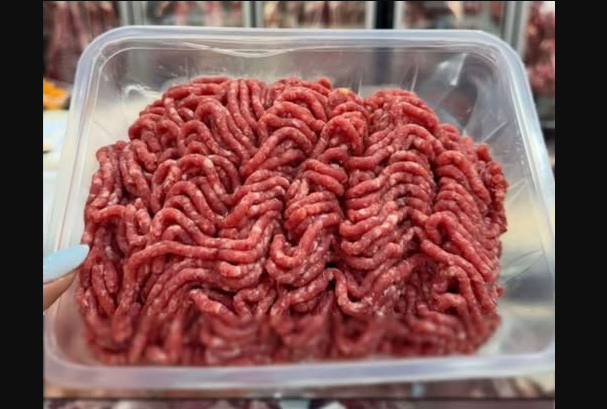
A quick visual check can also help. Fresh meat usually has a natural color and firm texture. It should appear clean and slightly moist, but not sticky or overly wet. Smell is another important factor—fresh meat should not have a strong or unpleasant odor. If something doesn’t seem right, it’s best to choose a different option.
There are also clear signs that meat may no longer be safe to consume. Unusual discoloration, a slimy surface, or an off smell can indicate spoilage. Recognizing these warning signs can help you avoid unnecessary risks and make safer choices.
After purchasing, proper storage is key. Keeping meat at the correct temperature helps slow bacterial growth and preserve freshness. Refrigerate or freeze it depending on when you plan to use it, and always handle it with clean hands and utensils to maintain good hygiene.
Cooking meat thoroughly is just as important. Using the appropriate temperature during preparation helps eliminate harmful bacteria and ensures your meals are safe to eat. Proper cooking also enhances flavor, making your meals both enjoyable and reliable.
The good news is that these habits are simple to follow. With a bit of attention and consistency, you can make informed decisions that support a healthier lifestyle. Careful selection, proper storage, and mindful preparation all contribute to a safer and more satisfying cooking experience.
Supporting local farmers and trusted sources can also be a smart choice. Many local producers focus on quality and freshness, offering products they take pride in. Buying from them not only improves the quality of your meals but also supports local businesses and communities.
In the end, being mindful when choosing meat allows you to take control of what you bring into your home. By following these practical tips, you can enjoy meals that are both safe and delicious, while maintaining peace of mind for you and your family.