
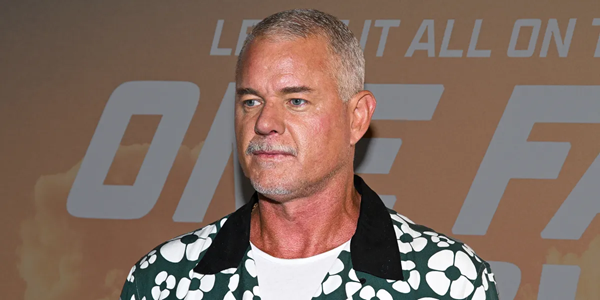
Eric Dane Spotted in Wheelchair as He Raises Awareness for ALS
A Courageous Appearance in Washington, D.C.
Washington, D.C. Beloved actor Eric Dane, known to millions as Dr. Mark Sloan from Grey's Anatomy, was recently seen in Washington, D.C., where he continues his courageous fight against amyotrophic lateral sclerosis (ALS), a rare, progressive neurodegenerative condition that affects nerve cells in the brain and spinal cord.
The 52-year-old star was photographed leaving a meeting with lawmakers, where he has been actively advocating for increased research funding and public awareness of ALS. Despite the challenges he faces, Dane's commitment to helping others living with the disease has inspired countless fans around the world.
Witnesses described the actor as calm and composed during the outing. He appeared in a motorized wheelchair, wearing a dark windbreaker and tinted glasses. His appearance, though noticeably more fragile than in years past, reflected a quiet strength that fans have long admired.
Going Public With His Diagnosis
Dane revealed his diagnosis earlier this year, sharing his journey publicly to shed light on the realities of ALS and to push for faster medical advancements. Since then, he has received an outpouring of love and support from both the entertainment industry and the public.
The decision to go public with a serious diagnosis is never easy, especially for someone whose career has been built on physical presence and charisma. Yet Dane chose transparency, understanding that his platform could bring attention to a disease that desperately needs it. That choice transformed a personal health battle into a public mission.
Just weeks ago, he had been seen walking with assistance, but his latest appearance suggests that the disease continues its relentless progression. ALS moves at different speeds for different patients, but its direction is tragically consistent: gradual loss of muscle control as motor neurons deteriorate.
Understanding ALS: The Disease Dane Is Fighting
Amyotrophic lateral sclerosis is a progressive neurodegenerative disease that affects nerve cells in the brain and spinal cord. As motor neurons degenerate and die, the brain loses its ability to initiate and control muscle movement. Patients gradually lose the ability to speak, eat, move, and eventually breathe.
Key facts about ALS:
- It is relatively rare, affecting roughly 2 in 100,000 people per year, with about 30,000 Americans living with the disease at any given time.
- Most cases are sporadic, meaning they occur without family history. About 5 to 10 percent are familial, linked to inherited genetic mutations.
- There is no cure. Current treatments can modestly slow progression or manage symptoms, but none halt the disease.
- Average survival is typically 2 to 5 years from diagnosis, though about 10 percent of patients live 10 years or longer.
- The mind usually remains sharp, which makes ALS particularly cruel: patients remain fully aware as their bodies fail.
The famous Ice Bucket Challenge of 2014 raised over $220 million for ALS research and dramatically increased public awareness. That surge in funding accelerated research, but the disease remains incurable. Dane's advocacy continues that fight, pushing for the sustained investment needed to turn research progress into real treatments.
From McSteamy to Advocate
For millions of television viewers, Eric Dane will always be Dr. Mark Sloan, the charming, confident plastic surgeon nicknamed "McSteamy" on Grey's Anatomy. His portrayal made him a household name and a fan favorite across the show's long run.
Dane's career extends well beyond that iconic role. He starred as Captain Tom Chandler in the action series The Last Ship, appeared in films including Marley and Me and Burlesque, and took on the complex role of Cal Jacobs in HBO's Euphoria, earning critical acclaim for a darker, more dramatic performance.
That range, from beloved heartthrob to intense dramatic actor, built the devoted fanbase now rallying behind him. Former co-stars, colleagues, and fans have flooded social media with messages of support since his diagnosis became public. The entertainment industry, often criticized for its superficiality, has shown its capacity for genuine compassion in response to Dane's openness.
Advocacy on Capitol Hill
Dane's meetings with lawmakers in Washington represent a critical front in the ALS battle. Federal research funding, largely distributed through the National Institutes of Health, determines the pace of scientific progress. Patient advocates who share their personal stories with legislators put human faces on budget line items, and that personal connection drives action in ways statistics alone cannot.
His advocacy focuses on several key priorities:
- Increased research funding for ALS-specific studies, clinical trials, and drug development
- Faster regulatory pathways so promising treatments can reach patients sooner
- Expanded access to clinical trials, which remain difficult for many patients to find and join
- Support for caregivers and families, who bear enormous emotional and financial burdens
- Public awareness to ensure ALS remains a national health priority
By showing up in person, in a wheelchair, Dane delivers a message no briefing paper can match: this disease is real, it is happening now, and it cannot wait.
The Reality of Living With ALS
Dane's visible progression, from walking with assistance to using a motorized wheelchair in a matter of weeks, illustrates the brutal reality of ALS. The disease does not pause. Everyday abilities most people take for granted become battlegrounds: buttoning a shirt, climbing stairs, holding a phone, speaking clearly.
Yet those who know Dane describe his spirit as unbroken. His calm, composed demeanor during the Washington outing reflects the quiet strength fans have long admired. That composure is not denial. It is the deliberate choice to face each day with dignity and purpose, and to use whatever time and energy he has in service of others facing the same fight.
His journey also highlights the importance of support systems. Family, friends, medical teams, and the broader ALS community all play vital roles. No one faces this disease alone if they do not have to, and Dane's public advocacy helps ensure that others find the community and resources they need.
How the Public Can Help
Dane's advocacy is a call to action, not just a news story. Those moved by his courage can contribute meaningfully:
- Donate to ALS research through established organizations funding scientific studies
- Participate in awareness events like charity walks and fundraising challenges
- Contact elected representatives to support ALS research funding
- Learn about clinical trials and share information with affected families
- Support caregivers, who often face burnout, financial strain, and emotional exhaustion
Every dollar, every voice, and every act of awareness brings the world closer to the treatments and cures that patients like Eric Dane urgently need.
Frequently Asked Questions
What is ALS?
Amyotrophic lateral sclerosis is a progressive neurodegenerative disease that destroys motor neurons in the brain and spinal cord, gradually robbing patients of the ability to move, speak, eat, and breathe. There is currently no cure.
Who is Eric Dane?
Eric Dane is a 52-year-old actor best known as Dr. Mark Sloan ("McSteamy") on Grey's Anatomy. His other major roles include Captain Tom Chandler on The Last Ship and Cal Jacobs on HBO's Euphoria.
When did Eric Dane reveal his ALS diagnosis?
He shared his diagnosis publicly earlier this year, choosing transparency to raise awareness of the disease and advocate for faster medical advancements and increased research funding.
Why was Eric Dane in Washington, D.C.?
He was meeting with lawmakers to advocate for increased ALS research funding and public awareness, using his platform and personal story to push for action on the disease.
How can people support the fight against ALS?
Donating to research organizations, participating in awareness and fundraising events, contacting representatives about research funding, sharing clinical trial information, and supporting caregivers are all meaningful ways to help.



