Found at a Yard Sale? This Vintage Laundry Tool Tells a Story of Hard Work and Simpler Times
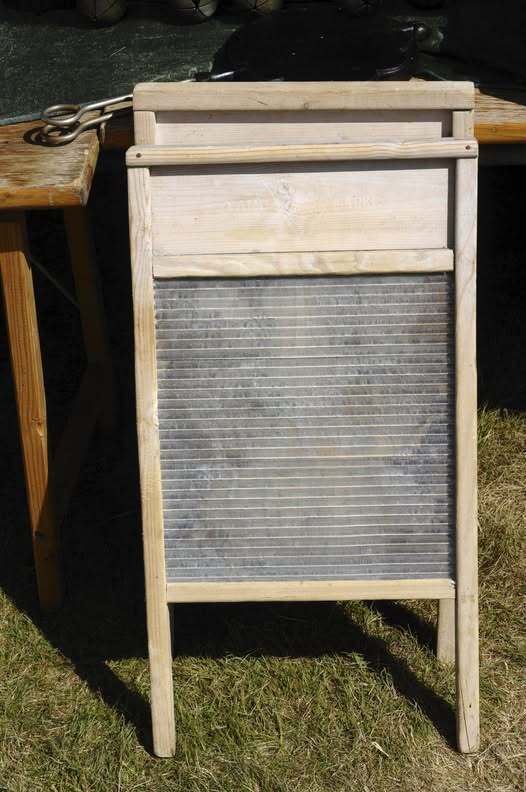
Sometimes the most unexpected discoveries come from the oldest objects. While browsing through a crowded yard sale, I came across a vintage laundry wringer resting quietly among boxes of forgotten household items. At first glance, it looked like just another antique made of wood and iron. But the more I examined it, the more it seemed to carry a story from another era.
This old fashioned laundry tool was once an essential part of daily life in many homes. Before modern washing machines became common, families relied on wringers to squeeze water from freshly washed clothes by hand. The process required patience, effort, and teamwork.
The worn wooden handles and heavy iron rollers reflected years of regular use. It was easy to imagine families spending long afternoons washing clothes together, carrying buckets of water, scrubbing fabrics carefully, and sharing conversations while completing household chores.
What a Laundry Wringer Actually Is
For those who have never seen one, a laundry wringer is a deceptively simple device: two rollers, usually made of wood or hard rubber, mounted in a frame and pressed together with adjustable tension. Wet laundry is fed between the rollers, which are turned by a hand crank, squeezing water from the fabric as it passes through.
Wringers came in several forms:
- Standalone wringers: Mounted on their own legs or stands, positioned over a washtub.
- Attachment wringers: Clamped onto the side of a washtub or sink.
- Wringer washers: Early electric washing machines with built in wringers, common from the 1920s through the 1950s. The wringer sat atop the machine, and users fed clothes through after the wash cycle.
The mechanism is pure mechanical advantage: the crank multiplies the user's effort, and the adjustable rollers accommodate everything from delicate blouses to heavy work pants.
Wash Day: A Whole Different World
To appreciate the wringer, you have to understand wash day in the era before automatic machines. Laundry was not a background task. It was a major weekly event, often consuming an entire day.
The traditional process went something like this:
1. Heat water: Water was heated on a stove or in a copper boiler, often requiring multiple trips.
2. Sort and soak: Clothes were sorted by color and fabric, then soaked to loosen dirt.
3. Scrub: Each item was scrubbed on a washboard with homemade or store bought soap.
4. Boil whites: White linens were often boiled for thorough cleaning.
5. Rinse: Multiple rinses in clean water removed soap residue.
6. Wring: Each piece was fed through the wringer to remove excess water.
7. Hang: Everything was hung on lines or racks to dry, weather permitting.
This was physically demanding labor, performed standing for hours, lifting heavy wet fabric, and cranking the wringer hundreds of times. It is no coincidence that "wash day" was traditionally Monday: it set the tone for the week's domestic labor.
The Social Side of Hard Work
What the wringer's worn handles really testify to is not just labor but community. Wash day was often social. Neighbors helped each other. Mothers taught daughters. Conversations flowed over the tubs.
One person might feed clothes into the wringer while another turned the crank and a third carried the pressed laundry to the line. Children had their roles too, fetching water or hanging smaller items. The work was hard, but it was shared, and the sharing wove the social fabric of communities.
This is easy to romanticize, and we should be honest: the labor was genuinely grueling, fell disproportionately on women, and consumed time that could have been spent otherwise. But it is also true that something was lost when laundry became solitary and silent. The wringer represents both the burden and the togetherness of a different way of life.
From Wringer to Wonder Machine
The wringer's decline tells the story of 20th century domestic technology:
- 1920s-1940s: Wringer washers bring mechanized washing to middle class homes, but wringing remains manual.
- 1950s: Automatic washers with spin cycles begin replacing wringers. The spin cycle does the wringer's job with no cranking required.
- 1960s-1970s: Wringer washers become symbols of the past, relegated to basements, farms, and rural homes.
- Today: Automatic washers and dryers dominate, and most people under 50 have never used a wringer.
Each transition saved time and labor, genuine progress by any measure. But each also removed a point of physical engagement with daily life, a trade off worth noting even as we celebrate the gains.
Why the Wringer Matters Now
So why did a rusty old wringer at a yard sale feel significant? Because objects like this are touchstones. They connect us physically to the lives of people who came before us.
The wringer teaches several things worth remembering:
- Resilience: Earlier generations accomplished enormous amounts with simple tools and sheer effort.
- Resourcefulness: Water was carried, soap was made or carefully purchased, nothing was wasted.
- Patience: Tasks took the time they took. There was no "quick wash" cycle.
- Togethrift: Shared labor built relationships in ways that solitary convenience does not.
- Gratitude: Pushing a button is easy precisely because someone once turned a crank.
Bringing the wringer home felt like preserving a small piece of history. Rather than serving only as decoration, it became a reminder of the resilience, resourcefulness, and quiet dignity of ordinary work.
Caring for a Vintage Wringer
If you find one yourself, a few tips:
- Clean gently: Remove dirt with a damp cloth. Avoid harsh chemicals on old wood and iron.
- Address rust: Light rust on iron parts can be treated with gentle abrasives and protective oil.
- Check the rollers: Wooden rollers may be dried or cracked. Rubber rollers from later models may have hardened.
- Display thoughtfully: Wringers make striking display pieces in laundry rooms, mudrooms, or farmhouse style spaces.
- Respect its limits: Antique wringers are display and conversation pieces now, not working tools. Modern safety standards have moved on.
Frequently Asked Questions
What is a laundry wringer?
A device with two rollers pressed together, used to squeeze water from washed clothes before the era of automatic spin cycles. Wet laundry was fed between the rollers, which were turned by a hand crank.
When were laundry wringers commonly used?
They were standard household equipment from the late 1800s through the mid 1900s, with wringer washers remaining common into the 1950s and 1960s.
Why did wringers disappear?
Automatic washing machines with spin cycles performed the same function without manual labor. As automatics became affordable, wringers became obsolete.
Are vintage wringers valuable?
Most have modest monetary value, typically yard sale prices. Their worth is primarily historical and decorative rather than financial, though complete wringer washers in good condition interest collectors.
Is it safe to use an antique wringer?
Wringers were notorious for catching fingers, hair, and clothing, a hazard that contributed to their replacement. Antique examples are best kept as display pieces rather than used.
Today, laundry can often be done with the push of a button. Modern appliances have transformed daily routines, saving time and energy. Yet vintage tools like this remind us how much work earlier generations invested in ordinary tasks that many people now take for granted. The wringer's worn handles are not just wear. They are the signature of countless hands that worked, talked, laughed, and endured. That is a story worth keeping.