
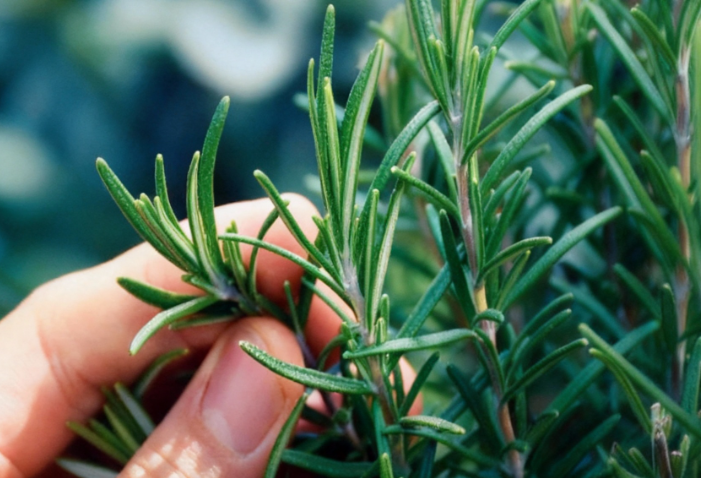
How Rosemary Supports Vitality and Well-Being as We Age
For centuries, rosemary has been more than just a flavorful herb. It has symbolized strength, clarity, and long-lasting vitality. In many Mediterranean communities, families traditionally planted rosemary near their front doors, believing its refreshing scent could brighten the home and support a clear, focused mind. Today, as more people look for gentle, natural ways to enhance their well-being, rosemary is gaining renewed appreciation.
A Herb With Ancient Roots
Rosemary's history stretches back to ancient Egypt, Greece, and Rome. Greek students reportedly wore rosemary garlands while studying, believing it sharpened the memory. Roman priests used it in ceremonies. In medieval Europe, it was a symbol of remembrance and fidelity, tucked into bridal bouquets and laid on graves.
The name itself comes from the Latin *ros marinus*, meaning "dew of the sea," a reference to its native habitat along Mediterranean coastlines. For thousands of years, across radically different cultures, humans have independently arrived at the same conclusion: this fragrant evergreen shrub does something for the mind.
What Modern Research Is Exploring
Modern research continues to explore rosemary's natural antioxidant properties and the aromatic components that may support mental clarity and focus. The leaves contain compounds including rosmarinic acid, carnosic acid, and the aromatic molecule 1,8-cineole, which gives rosemary its distinctive pine-like scent.
Studies on aromatherapy have investigated intriguing connections:
- Alertness and focus. Some research suggests that exposure to rosemary aroma is associated with improved alertness and performance on cognitive tasks.
- Mood. The scent is frequently described as uplifting, and aromatherapy studies have explored its association with reduced feelings of mental fatigue.
- Memory. Building on the ancient Greek intuition, modern researchers have tested whether rosemary aroma influences memory performance, with some studies reporting positive associations.
It is important to be measured here. This research is promising but preliminary. Rosemary is not a treatment for cognitive decline or a substitute for medical care. What the evidence supports is more modest and, frankly, more useful: rosemary aroma appears to be a pleasant, low-risk way to create a sense of mental freshness.
Everyday Ways to Enjoy Rosemary
Whether used in cooking, enjoyed as an herbal tea, or simply experienced through aromatherapy, rosemary's uplifting scent offers a soothing way to reset the mind, without the intensity or jitters often associated with caffeinated drinks. Many people find that a few minutes with rosemary's aroma helps them feel more centered and mentally refreshed.
Practical options include:
- Cooking. Fresh or dried rosemary elevates roasted vegetables, meats, soups, and breads. Heat releases its aromatic oils beautifully.
- Herbal tea. Steep a teaspoon of dried rosemary (or a fresh sprig) in hot water for 5 minutes. The result is fragrant and gently stimulating.
- Steam inhalation. Add a few sprigs to a bowl of hot water, drape a towel over your head, and breathe deeply for a few minutes.
- Home diffuser. A few drops of rosemary essential oil in a diffuser can refresh a room and create a focused atmosphere for work or study.
- Fresh sprigs. Simply keeping a small plant on a desk provides gentle, ongoing aroma and a touch of green.
Rosemary and Physical Wellness
Rosemary is also appreciated for how it complements overall physical wellness. Its naturally occurring compounds are often used in traditional preparations for supporting circulation and easing everyday muscular tension. Rosemary-infused oils have a long folk history of use in massage for tired limbs, and the herb's antioxidant content contributes to its reputation as a supportive part of a balanced diet.
As with any herb used beyond the kitchen, a few cautions apply:
- Essential oils are concentrated. Never ingest undiluted essential oil, and dilute properly for skin use.
- Pregnancy and medical conditions. Those who are pregnant or managing health conditions should check with a healthcare provider before using rosemary medicinally.
- Culinary amounts are the safest baseline. The rosemary on your roasted potatoes is unambiguously fine. Therapeutic doses deserve professional guidance.
A Ritual for the Later Years
There is something especially fitting about rosemary as a companion for aging well. It asks for no prescription, costs almost nothing, and slots into existing routines. A sprig in a morning tea. A plant on the windowsill. The scent rising from a Sunday roast.
Its crisp, pine-like fragrance can instantly refresh a room, but what truly stands out is the ritual itself: a small, daily act of attention to one's own well-being. In the later years, when so much attention goes to managing decline, rosemary offers something different. It offers a sensory pleasure, a moment of clarity, a reminder that vitality is not only a medical metric but a lived experience.
Growing Your Own
One of rosemary's great virtues is how easy it is to grow. It thrives in sunny spots with well-drained soil, tolerates neglect better than most herbs, and provides fresh sprigs year-round in mild climates. A pot on a sunny windowsill works perfectly well.
Growing it adds another layer to the ritual: tending a living thing, harvesting what you need, and keeping a centuries-old tradition alive on your own sill. The Mediterranean families who planted it by their doors understood something beyond botany. They understood that well-being is partly a matter of what you surround yourself with.
Frequently Asked Questions
What are rosemary's main beneficial compounds?
Rosemary leaves contain rosmarinic acid, carnosic acid, and aromatic compounds including 1,8-cineole. Research has explored their antioxidant properties and potential associations with alertness and mental clarity.
How can I use rosemary for mental freshness?
Common approaches include rosemary tea, steam inhalation, diffusing the essential oil, cooking with the fresh herb, or simply keeping a plant nearby for its natural aroma.
Is rosemary safe for everyone?
Culinary use is safe for essentially everyone. Concentrated essential oils and medicinal doses require more care; pregnant individuals and those with health conditions should consult a healthcare provider first.
Can rosemary improve memory?
Some preliminary studies have explored associations between rosemary aroma and cognitive performance, echoing the ancient Greek belief. The evidence is promising but not conclusive, and rosemary is not a treatment for memory disorders.


