I Thought Something Was Wrong with My Pork Ribs But the Explanation Was Surprisingly Simple
Preparing a homemade meal is usually a routine part of the day. However, every now and then, something unexpected can appear while cooking that makes you stop and take a second look. Even experienced home cooks can be surprised when they notice an unfamiliar detail in a favorite dish.
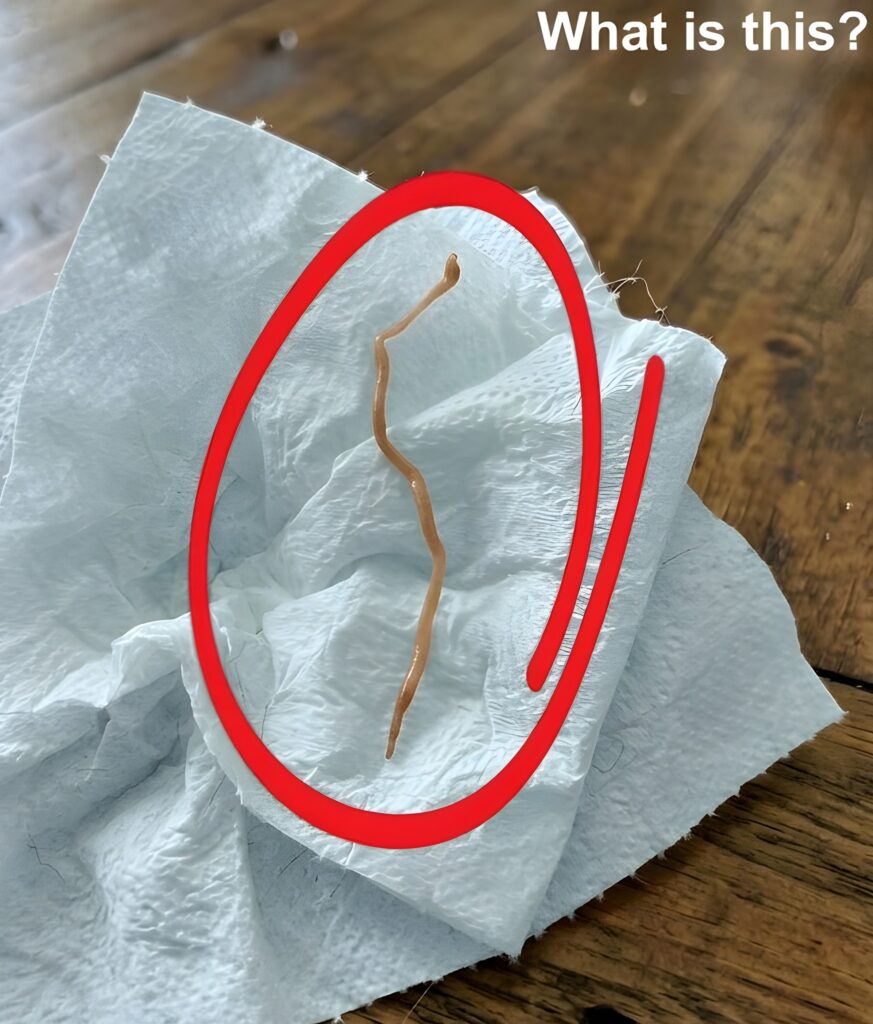
That was exactly what happened while preparing a batch of pork ribs. As the meat cooked, an unusual looking texture became visible, making it seem as though something was wrong with the food. At first, it was easy to assume the worst, and the unexpected appearance quickly raised questions.
Fortunately, a closer inspection revealed that there was no cause for concern. The unusual feature was simply a natural part of the meat that had become more noticeable during the cooking process.
What Heat Does to Meat
Heat can change the appearance of different tissues, making them stand out in ways that might seem surprising if you've never noticed them before. When meat cooks, muscle fibers contract, connective tissues change, and certain natural structures can become easier to see. These changes are a normal part of cooking and do not necessarily indicate that the food is unsafe or of poor quality.
In many cases, what looks unusual is simply a result of how heat affects the meat. Even after learning the explanation, it's understandable that the initial surprise may linger. Our instincts tell us that unfamiliar appearances mean trouble. But meat is a complex biological material, and cooking transforms it in ways that are sometimes visually startling.
Understanding the science helps replace worry with confidence.
Common Surprising (but Normal) Features in Pork Ribs
Several natural features of pork ribs become more visible during cooking:
Connective tissue and silverskin: Ribs contain significant connective tissue, including the silverskin membrane on the bone side. As the meat cooks and shrinks, these tissues become more prominent. They may appear shiny, iridescent, or oddly textured. This is normal collagen and elastin, the same tissues that break down into gelatin during slow cooking, creating that fall off the bone tenderness.
Fat rendering: As fat melts, it can create glossy patches or unusual textures on the meat's surface. Rendered fat is a sign of proper cooking, not a problem.
Iridescent or rainbow sheen: Cooked meat sometimes displays a greenish or rainbow like iridescence. This is caused by light diffracting off the muscle fibers, similar to how oil on water creates rainbow patterns. It looks alarming but is a well understood optical effect, not spoilage.
Bone marrow and blood vessels: Ribs are cut close to the bone, and cooking can expose marrow, small blood vessels, or the porous texture of bone ends. Dark spots near bones are typically harmless.
Muscle fiber separation: As proteins denature and contract, muscle fibers can separate in ways that look unfamiliar, creating stringy or layered appearances.
Cartilage: The tips of rib bones include cartilage that becomes more visible when surrounding meat shrinks during cooking.
None of these indicate that the meat is bad. They indicate that the meat is real.
When to Actually Worry
While most surprises are harmless, genuine spoilage signs should not be ignored. Discard pork if you notice:
- Sour or ammonia like odor: Fresh pork has a mild smell. Strong off odors before or during cooking are warning signs.
- Slimy texture (raw): A tacky or slimy film on raw meat suggests bacterial growth.
- Unusual colors (raw): Gray, green, or significantly discolored raw pork should not be used.
- Off flavors: If the cooked meat tastes sour or wrong, do not eat it.
Note that these concern the raw product's condition, not textures that emerge during normal cooking. If the ribs smelled and looked fine going into the oven, surprising appearances during cooking are almost certainly benign.
Food Safety Basics for Pork Ribs
Confidence in the kitchen comes from following reliable practices:
- Buy from reputable sources: Quality butchers and grocers maintain proper cold chains.
- Refrigerate promptly: Get pork into the refrigerator (at or below 40°F) quickly after purchase.
- Check dates: Use or freeze pork by its use by date.
- Cook to safe temperature: Pork should reach an internal temperature of 145°F with a rest time, though ribs are typically cooked well beyond this for tenderness.
- Avoid cross contamination: Keep raw pork away from ready to eat foods, and wash hands, surfaces, and utensils thoroughly.
- When in doubt, throw it out: No meal is worth a foodborne illness. If something seems genuinely wrong, discard it.
Making Perfect Pork Ribs
Since the ribs turned out to be perfectly fine, here are tips for great results every time:
- Remove the membrane: Peel off the silverskin from the bone side for better texture and seasoning penetration.
- Season generously: A good dry rub with salt, pepper, paprika, garlic, and brown sugar builds deep flavor.
- Cook low and slow: Whether smoking, baking, or grilling indirectly, gentle heat over hours breaks down connective tissue into tenderness.
- Wrap for moisture: The "Texas crutch" (wrapping in foil partway through) pushes through stalls and keeps ribs juicy.
- Rest before cutting: Ten to fifteen minutes of rest redistributes juices for better results.
- Trust the process: Unusual appearances during cooking are usually just science at work.
The Science Is Reassuring
Every surprising texture has an explanation rooted in biology and chemistry:
- Protein denaturation: Heat unravels protein structures, changing texture and appearance predictably.
- Collagen conversion: Tough connective tissue melts into silky gelatin given time and temperature.
- Maillard reaction: Browning creates hundreds of flavor compounds, along with color changes that can look dramatic.
- Light diffraction: The iridescent sheen is physics, not spoilage.
- Moisture migration: Juices move within the meat during cooking, creating varied textures.
The more you understand these processes, the less alarming they become, and the more you can appreciate the fascinating transformations happening in your oven or smoker.
Frequently Asked Questions
What causes the rainbow sheen on cooked pork?
Light diffracting off the muscle fibers creates an iridescent effect, similar to oil on water. It is a well understood optical phenomenon and not a sign of spoilage.
Is it safe to eat ribs with unusual textures?
If the raw meat was fresh (normal smell, color, and texture before cooking), unusual appearances during cooking are almost always normal results of heat acting on natural tissues.
What does silverskin look like when cooked?
The membrane on the bone side of ribs can appear shiny, tough, or oddly textured after cooking. Removing it before cooking improves texture, but leaving it on is harmless.
How can I tell if pork has actually gone bad?
Trust your senses on the raw product: sour or ammonia odors, slimy texture, or gray/green discoloration mean discard. These signs appear before cooking, not as a result of it.
Why do ribs look different each time I cook them?
Natural variation in the meat, differences in cooking temperature and time, and which tissues are most prominent all affect appearance. No two racks are identical.
Should I be concerned about dark spots near the bones?
Usually not. These are typically marrow, blood vessels, or bone porosity revealed as meat shrinks during cooking. They are normal parts of the animal.
That batch of pork ribs turned out delicious, as ribs usually do when given time, seasoning, and heat. The momentary alarm was just unfamiliarity with the fascinating science of cooking meat. The next time something unexpected appears in the oven, take a breath, consider the science, and remember: the most alarming looking transformations are often signs that everything is going exactly right.