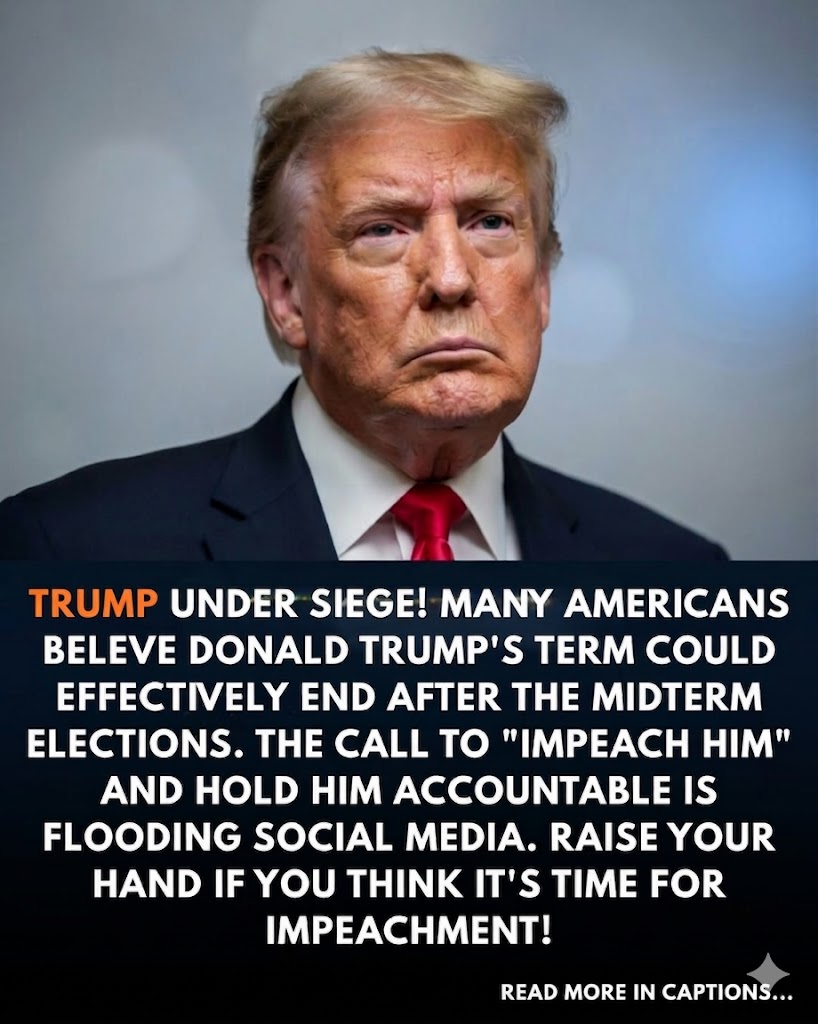
Public discussion around accountability and leadership in the United States is gaining momentum, with increasing focus on the presidency of Donald Trump. As political tensions evolve, conversations that were once limited to analysts and insiders are now reaching a broader audience, sparking interest across social media, news platforms, and everyday discussions.
A Shifting Political Landscape
The U.S. political environment is experiencing a period of heightened attention and debate. Issues such as transparency, leadership decisions, and institutional checks and balances are being closely examined. While strong opinions exist on all sides, one noticeable trend is the growing level of public engagement.
Citizens are not only following developments more closely but are also actively participating in conversations—sharing viewpoints, analyzing events, and questioning future outcomes. This increased awareness reflects how quickly political narratives can evolve in today’s digital age.
The Power of Public Opinion
Public opinion has always played a crucial role in shaping political outcomes, but its influence appears more visible than ever. Voters are paying close attention to leadership performance, policy direction, and overall governance.
As future elections approach, analysts suggest that voter sentiment could significantly impact the balance of power within Congress. Changes in that balance may influence how lawmakers approach key issues, including oversight responsibilities and legislative priorities.
Understanding the Impeachment Process
Impeachment is a formal process outlined in the U.S. Constitution, designed to hold leaders accountable if necessary. It begins in the House of Representatives, where articles of impeachment can be introduced and voted upon. If approved, the process moves to the Senate, where a trial is conducted.
It’s important to note that impeachment is not a simple or quick action. It requires substantial evidence, legal consideration, and political support. Historically, it has been used sparingly, reflecting its significance within the American system of governance.
Why the Conversation Is Growing
There are several reasons why discussions around accountability are becoming more prominent. Ongoing political developments, media coverage, and increased public awareness all contribute to the broader conversation.
In addition, digital platforms have made it easier for individuals to share perspectives and engage with political content. This has amplified certain narratives, turning them into widely discussed topics in a relatively short time.
What Could Happen Next?
Looking ahead, the direction of U.S. politics will likely depend on multiple factors, including election outcomes, legislative priorities, and public engagement. While some observers speculate about potential scenarios, the reality is that political processes tend to unfold gradually and are influenced by many moving parts.
Rather than focusing solely on predictions, many experts encourage staying informed and understanding how institutions operate. This approach helps provide context and clarity in an often complex political landscape.
The Bigger Picture
At its core, the current conversation highlights the importance of democratic systems and civic participation. Whether through voting, discussion, or staying informed, public involvement remains a key element in shaping the future.
As debates continue and new developments emerge, one thing is certain: the intersection of leadership, accountability, and public opinion will remain a central theme in American politics for the foreseeable future.