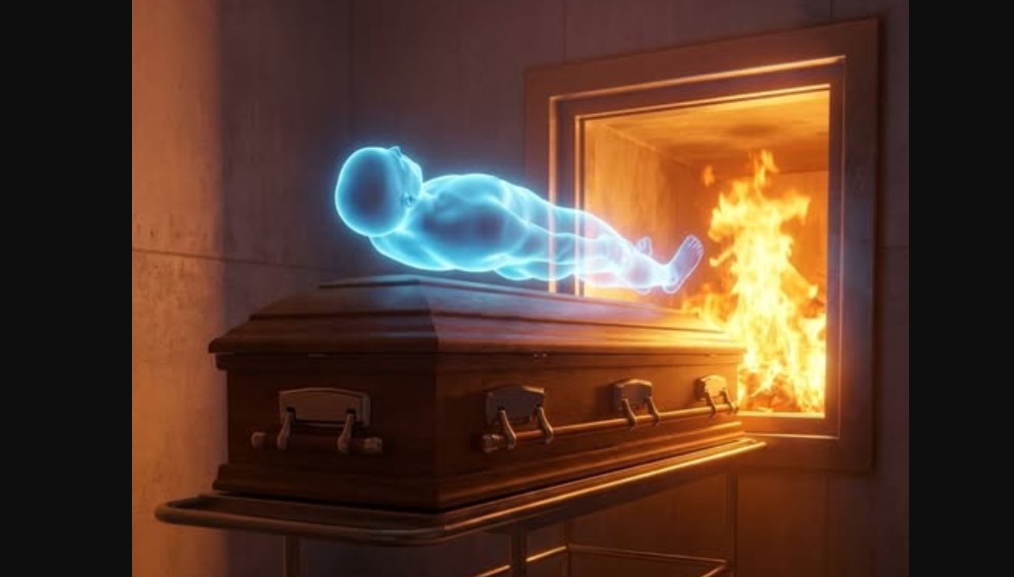
Why More People Are Choosing Cremation: Practical Reasons to Consider
In recent years, more families have been exploring cremation as an alternative to traditional burial. This shift is influenced by a variety of practical, financial, and personal factors. Understanding these reasons can help individuals make informed decisions during an important moment in life.
Choosing between cremation and burial is deeply personal, often shaped by faith, family tradition, and values. But for a growing number of people, practical considerations are tipping the balance. Here is an honest look at why.
1. Affordable and Budget Friendly Option
One of the most common reasons people choose cremation is cost. Traditional burial services can involve multiple expenses, including a casket, cemetery plot, headstone, and service fees. These costs can quickly become overwhelming.
Cremation is often more affordable because it eliminates many of these elements. This allows families to honor their loved ones in a meaningful way while keeping expenses manageable. The price difference can be substantial, sometimes saving families thousands of dollars during an already difficult time.
This is not about cutting corners on love or respect. It is about recognizing that a meaningful farewell does not require maximum spending. Many families prefer to direct resources toward the living: supporting a spouse, funding education, or simply avoiding debt during grief.
2. Flexible Memorial Planning
Cremation offers greater flexibility when it comes to planning memorial services. Unlike traditional funerals that may need to happen quickly, cremation allows families to organize a gathering at a time that works best for everyone. This flexibility makes it easier for loved ones to travel, prepare, and participate in a way that feels comfortable and thoughtful.
Families can also create personalized ceremonies that reflect the life and values of the person being remembered. Without the time pressure of burial, there is space to plan something truly fitting: a favorite park, a family home, a meaningful destination.
This flexibility is especially valuable for dispersed families. When loved ones live across the country or around the world, coordinating travel on short notice is stressful and expensive. Cremation removes that urgency, allowing everyone to gather without the added burden of haste.
3. Space and Environmental Awareness
As urban areas grow, cemetery space is becoming more limited and more expensive. In many cities, burial plots are scarce, and the costs reflect that scarcity. Cremation sidesteps this issue entirely.
Environmental considerations also influence the choice. Traditional burial involves embalming chemicals, concrete vaults, and land use that some find concerning. While cremation has its own environmental footprint, many perceive it as a lighter touch on the earth.
Options like biodegradable urns, scattering in meaningful natural settings, and memorial tree plantings allow families to combine remembrance with environmental values. For those who lived with ecological consciousness, these options feel like a fitting final statement.
4. Simplicity and Reduced Stress
Grief is exhausting. The logistics of a traditional funeral, coordinating with cemeteries, selecting caskets, scheduling viewings, can overwhelm families already running on empty. Cremation simplifies the process considerably.
Fewer decisions mean less stress during the hardest days. Families can focus on grieving and supporting each other rather than navigating a maze of arrangements and expenses. For many, this simplicity is itself a form of mercy.
5. Portability and Keeping Close
Cremated remains are portable in a way that burial is not. Families who move, whether across town or across the world, can bring their loved one's remains with them. This matters enormously to mobile modern families.
Some families keep urns at home, finding comfort in physical closeness. Others divide remains among family members or plan scatterings in multiple meaningful locations. These options simply do not exist with traditional burial, which fixes a person's resting place permanently.
6. Personalization of Remembrance
Cremation opens creative possibilities for memorialization:
- Memorial jewelry: Small portions of ashes can be incorporated into pendants, rings, or other keepsakes.
- Scattering ceremonies: Releasing ashes in a beloved place creates a powerful ritual of return.
- Living memorials: Ashes can nourish memorial trees or be incorporated into reef restoration projects.
- Art and keepsakes: From glass art to vinyl records, artisans now offer remarkable ways to preserve memory.
- Multiple ceremonies: Different groups of loved ones can hold separate meaningful gatherings.
These options allow remembrance to reflect the unique life lived, rather than following a single traditional script.
7. Changing Cultural and Religious Attitudes
Historically, some faiths discouraged or prohibited cremation. But attitudes are evolving. Many religious traditions that once opposed cremation now permit or accept it, and interfaith families often find cremation a workable common ground.
As cremation becomes more common, it also becomes more socially normalized. What once might have raised eyebrows in a community now barely merits comment. This normalization itself drives further adoption: people choose what they see others choosing.
Addressing Common Concerns
Is cremation respectful? Absolutely. Respect lies in intention and care, not in method. A thoughtfully planned cremation memorial can be every bit as dignified as a traditional funeral.
What about religious objections? Discuss with your faith leader. Many traditions have updated their guidance, and most offer ways to honor both faith and personal choice.
Can we still have a viewing or funeral service? Yes. Many families hold full traditional services before cremation, or memorial services afterward. The two are not mutually exclusive.
What do we do with the ashes? Options include keeping them in an urn, scattering in a meaningful place (check local regulations), interring in a columbarium, or incorporating them into memorial objects.
Planning Ahead: A Gift to Your Family
One of the kindest things you can do is document your wishes in advance. Preplanning removes guesswork during grief and ensures your preferences are honored. Whether you choose cremation or burial, writing down your wishes, and discussing them with family, is an act of love.
Consider documenting:
- Your preference for cremation or burial
- Service and ceremony wishes
- What should happen to remains
- Budget guidance
- Any religious or cultural requirements
Frequently Asked Questions
How much does cremation typically cost compared to burial?
Cremation is generally significantly less expensive, as it eliminates costs like caskets, burial plots, vaults, and headstones. Exact prices vary by location and provider.
Is cremation environmentally friendly?
It has a smaller land footprint than traditional burial and avoids embalming chemicals, though the process does use energy. Those prioritizing environmental concerns can explore options like biodegradable urns and natural scattering.
Can cremation be combined with religious traditions?
In many cases, yes. Attitudes across faiths have evolved considerably. Consult your religious leader for guidance specific to your tradition.
How long after cremation must a memorial be held?
There is no required timeline, which is one of cremation's advantages. Families can hold services days, weeks, or even months later, allowing time for thoughtful planning and travel.
What are the legal requirements for scattering ashes?
Regulations vary by location. Many public lands permit scattering with guidelines, while some areas require permits. Always check local rules before scattering.
The growing preference for cremation reflects broader changes in how we think about farewell: more personal, more flexible, more conscious of cost and impact. Whatever you choose, the most important thing is that the choice reflects the life being honored and brings comfort to those who remain.