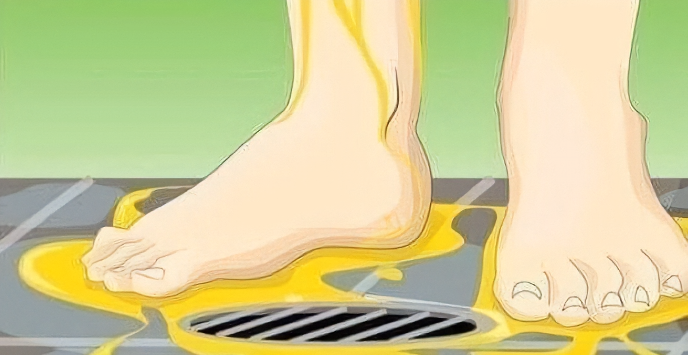
Peeing in the shower is a habit many people admit to because it feels convenient and harmless. Since water is already running, some assume it poses no real hygiene concerns. However, health professionals suggest that this practice may carry risks that are often overlooked, particularly when it becomes a regular habit.
One reason people choose to pee in the shower is convenience. Being already in the bathroom can make it feel practical, especially during a morning routine. Others believe it helps conserve water by avoiding an extra toilet flush, while some see it as a more private option in shared living spaces. Despite these reasons, medical experts generally agree that convenience should not come at the cost of hygiene and long-term health.
Doctors explain that while urine is typically sterile when it leaves the body, the shower environment itself is warm and moist, which makes it easier for bacteria and mold to grow. In some cases, splashback may expose sensitive areas to bacteria, increasing the risk of irritation or infection. This concern is especially relevant in shared bathrooms where multiple people use the same space.
Another issue involves overall cleanliness. Showers are designed to wash away dirt and sweat, not bodily waste. When urine mixes with soap residue, moisture, and other particles, it may create conditions that are less hygienic than expected. Over time, this can affect both personal hygiene and the cleanliness of the shower area.
Health professionals also raise concerns about bladder and pelvic floor health. Urinating while standing or squatting may prevent the bladder from fully emptying, which can place unnecessary strain on pelvic muscles. Repeating this habit over long periods may contribute to discomfort or urinary issues.
Skin sensitivity is another factor to consider. Urine naturally contains substances such as urea and ammonia, which can irritate sensitive skin with repeated exposure. While this may not affect everyone, individuals with delicate skin may notice irritation over time.
Experts also note that habits matter. Regularly peeing in the shower can blur the boundaries between hygiene and waste elimination, potentially weakening healthy bathroom routines and awareness of proper self-care practices.
For better hygiene, professionals recommend using the toilet before showering so the bladder can empty completely. Staying properly hydrated supports urinary health, and cleaning the shower regularly helps reduce the buildup of bacteria and mold. Anyone experiencing frequent or urgent urges to urinate should consider consulting a healthcare professional to rule out underlying concerns.
In certain situations, such as mobility challenges or recovery after surgery, urinating in the shower may be considered practical if recommended by a medical professional. Even in these cases, maintaining strict shower cleanliness is important.
In the end, while peeing in the shower may seem harmless, health experts suggest reconsidering the habit. Paying attention to hygiene, routine, and long-term wellness can help maintain a cleaner bathroom environment and support overall health.