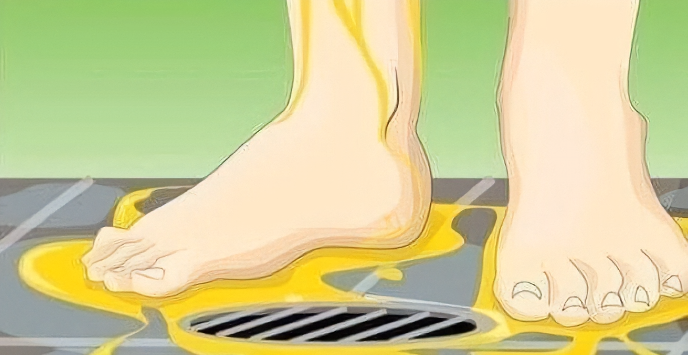
Peeing in the shower is something many people admit to doing at least once. It may seem convenient and harmless, but is it actually a good idea? While it might not be as risky as some headlines suggest, health professionals say there are a few important factors to consider.
Let’s take a closer look.
Why Do Some People Pee in the Shower?
There are a few common reasons this habit appeals to people:
Convenience – If you’re already in the bathroom, it may feel practical to save time.
Water Conservation – Some believe skipping a toilet flush helps reduce water usage.
Privacy – In shared households, it may seem like a discreet option.
Although these reasons are understandable, experts note that hygiene and personal health should always come first.
Potential Hygiene Concerns
1. Bacteria and Bathroom Surfaces
Urine is typically sterile when it leaves a healthy body. However, showers are warm and moist environments where bacteria and mold can grow over time. Without regular cleaning, residue from soap, dirt, and bodily fluids can accumulate on surfaces.
In shared bathrooms, this could contribute to hygiene concerns if the area isn’t cleaned properly.
2. Urinary Health Considerations
Some healthcare professionals suggest that posture may affect how fully the bladder empties. For certain individuals—especially women—sitting on a toilet may allow more complete bladder emptying compared to standing or squatting positions.
Incomplete emptying of the bladder can sometimes increase the likelihood of urinary discomfort or infections. However, this varies from person to person.
3. Skin Sensitivity
Urine contains compounds like urea and small amounts of ammonia. While brief exposure is unlikely to cause harm, individuals with sensitive skin may notice irritation if residue remains on the skin.
Rinsing thoroughly and keeping the shower clean can reduce this risk.
What About Pelvic Floor Health?
Some experts mention that consistently urinating outside of normal bathroom routines could potentially affect pelvic floor habits over time. Establishing consistent bathroom practices may support better bladder health, especially for individuals already managing pelvic floor concerns.
If you have ongoing urinary issues, it’s best to speak with a healthcare professional for personalized advice.
Healthier Bathroom Habits
If you’re concerned about hygiene or urinary health, consider these simple alternatives:
-
Use the toilet before showering to fully empty your bladder.
-
Maintain regular cleaning routines to prevent bacterial buildup in your bathroom.
-
Stay hydrated to support a healthy urinary system.
-
Seek medical guidance if you experience frequent urgency, discomfort, or infections.
Are There Exceptions?
In certain situations—such as mobility challenges or specific medical recovery periods—a doctor may recommend shower urination as a practical solution. In these cases, maintaining strict hygiene is essential.
Final Thoughts
For most healthy individuals, occasionally peeing in the shower is unlikely to cause serious harm. However, from a hygiene and routine standpoint, using the toilet first is generally the cleaner and more health-conscious option.
Ultimately, maintaining good bathroom habits and keeping your shower clean are the most important steps for protecting your health.