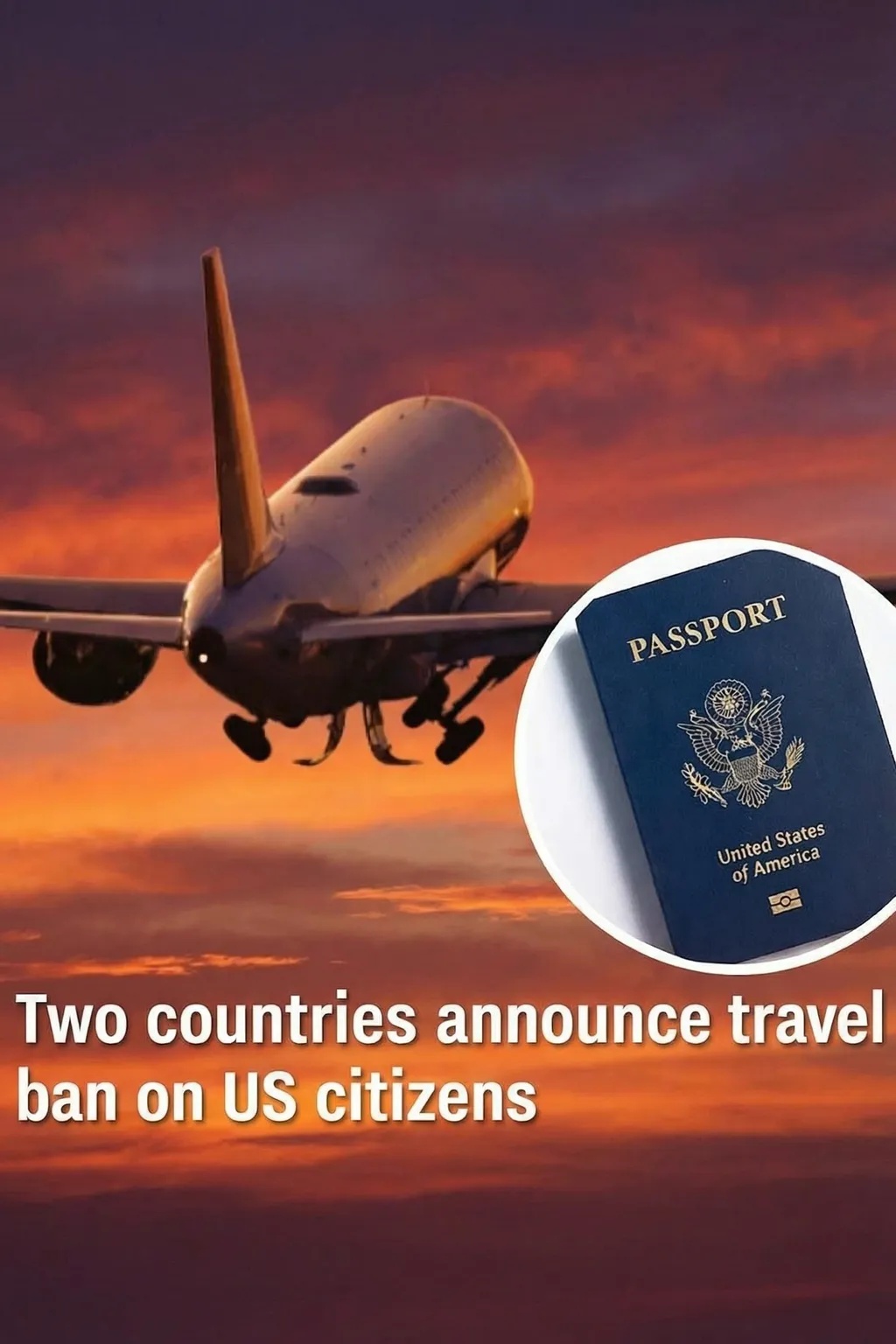
Two Countries Update Travel Entry Requirements for U.S. Passport Holders
Recent changes to travel policies in parts of West Africa have brought new attention to entry requirements for American passport holders. Officials say the adjustments reflect ongoing discussions about fairness, diplomacy, and how countries manage international travel policies.
For American travelers, these developments are a reminder that entry requirements are never permanently fixed. They shift with diplomatic relationships, security conditions, and domestic policy debates. Staying informed is essential for anyone planning travel to the region.
Niger Temporarily Suspends Visa Issuance
The government of Niger recently announced that it has temporarily suspended the issuance of visas for U.S. citizens. According to officials, the decision was made in response to travel restrictions placed on certain Nigerien officials by the United States following political developments in the country.
Leaders in Niger described the measure as a reciprocal step aimed at promoting equal treatment between nations. Authorities emphasized that the move was intended to address diplomatic concerns rather than create conflict.
Reciprocity is a longstanding principle in international travel policy. When one country restricts entry for another's citizens or officials, the affected country often responds in kind. These measures are typically framed not as hostility but as a demand for equal treatment, and they are frequently reversed when the underlying diplomatic issues are resolved.
For travelers, the practical impact is clear: U.S. citizens currently cannot obtain new visas for Niger through normal channels. Anyone with existing travel plans should contact the relevant embassy or consulate for the latest guidance, as temporary measures can change with little notice.
Entry Procedures in Mali and Burkina Faso
Travel conditions in neighboring Sahel countries have also become more complex. In Mali and Burkina Faso, visa applications and entry procedures may involve additional review or longer processing times. While travelers have reported stricter procedures and delays, these countries have not officially announced permanent bans on U.S. citizens. Instead, entry decisions may vary depending on current security considerations and administrative reviews.
The distinction matters. A temporary suspension, like Niger's, is an official policy with clear boundaries. Increased scrutiny, like what travelers report in Mali and Burkina Faso, is murkier: applications may take longer, face additional questions, or be decided case by case. Travelers should plan for uncertainty and build extra time into their preparations.
Understanding the Broader Context
These changes do not exist in a vacuum. The Sahel region has experienced significant political upheaval in recent years, with military transitions in several countries reshaping relationships with Western nations, including the United States. Travel policies are one of the most visible expressions of these shifting relationships.
Key dynamics include:
- Reciprocity: Countries routinely mirror each other's travel restrictions as a matter of diplomatic principle.
- Security concerns: Ongoing instability in parts of the Sahel affects how all countries manage entry, for all nationalities.
- Sovereignty signaling: New governments sometimes use travel policy to assert independence from former partners.
- Negotiation leverage: Travel measures can serve as bargaining chips in broader diplomatic discussions.
Understanding these dynamics helps travelers interpret changes without panic. Most such measures are political rather than personal, aimed at governments rather than individual tourists or business travelers.
What U.S. Travelers Should Do
If you are planning travel to West Africa, or anywhere with fluid entry requirements, these practices will serve you well:
- Check official sources: The U.S. State Department's travel website provides current entry requirements and travel advisories by country. Embassy websites offer the most authoritative updates.
- Apply early: When processing times are uncertain, submit visa applications well ahead of travel dates.
- Have backup plans: Consider flexible bookings and travel insurance that covers disruptions due to entry issues.
- Register your trip: The Smart Traveler Enrollment Program (STEP) keeps you informed of developments and helps the embassy reach you in emergencies.
- Consult the embassy directly: For complex situations, a direct inquiry to the relevant embassy or consulate beats relying on secondhand reports.
- Stay flexible: Temporary measures can lift as quickly as they appear. Monitor the situation rather than assuming permanence.
The Bigger Lesson: Travel Requirements Change
American passport holders enjoy broad travel freedom, with visa free or visa on arrival access to many countries. That privilege can create a false sense of permanence. In reality, entry requirements are diplomatic instruments, subject to change as relationships evolve.
Recent years have seen multiple examples worldwide: new electronic authorization systems, reciprocal fee adjustments, and temporary suspensions tied to political developments. The trend is toward more dynamic, responsive travel policies, not fewer.
Smart travelers treat entry requirements as a checklist item to verify before every trip, not background knowledge to assume. A five minute check of official sources can prevent a ruined journey.
Frequently Asked Questions
Which countries recently changed entry requirements for U.S. citizens?
Niger temporarily suspended visa issuance for U.S. citizens. Travelers have also reported stricter procedures and longer processing times in Mali and Burkina Faso, though no official permanent bans have been announced there.
Why did Niger suspend visas for Americans?
According to Nigerien officials, the move was reciprocal, responding to U.S. travel restrictions on certain Nigerien officials following political developments. It was framed as a step toward equal treatment between nations.
Are Mali and Burkina Faso banning U.S. citizens?
No official permanent bans have been announced. However, visa applications may face additional review and longer processing times, with decisions varying based on security and administrative considerations.
How can I check current entry requirements?
The U.S. State Department's country information pages, the relevant foreign embassy's website, and the Smart Traveler Enrollment Program (STEP) are the most reliable sources.
What should I do if I already have travel planned?
Contact the embassy or consulate of your destination country directly for the latest guidance. Consider travel insurance, flexible bookings, and backup plans in case requirements change.
Travel policies are living documents, shaped by diplomacy, security, and politics. For U.S. passport holders eyeing West Africa, the current message is simple: check before you go, plan for flexibility, and remember that today's restriction may be tomorrow's reopened door.