
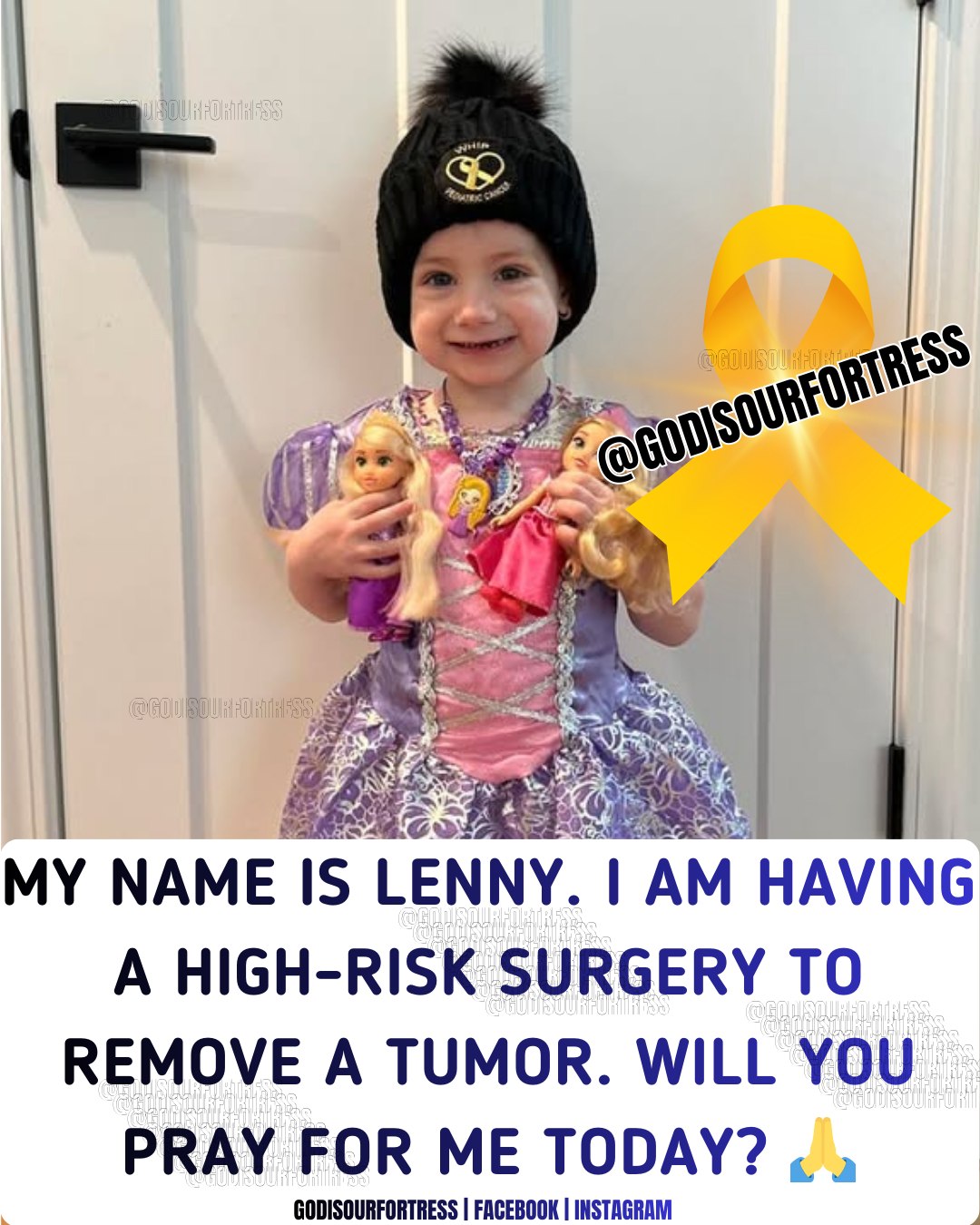
Lenny Is in Surgery: A Family Waits in Hope and Prayer
Today is a heavy day for one family as young Lenny undergoes a delicate surgical procedure to remove a tumor from her face. Inside the operating room, a team of experienced surgeons is working with precision and care. Outside, in the waiting room, her family holds its breath, suspended in that particular agony known to anyone who has ever waited while someone they love is under anesthesia.
This is a story about that wait: what it feels like, what it means, and how families find the strength to endure it.
The Weight of the Waiting Room
Hospital waiting rooms during surgery have a unique atmosphere. Time behaves strangely. Minutes stretch into hours. Every footstep in the hallway might be the surgeon. Every phone vibration might be news.
Families in this situation describe a common set of experiences:
- The inability to focus. Books go unread. Phones are scrolled without comprehension. Conversation starts and stalls.
- The bargaining. Silent deals made with God, the universe, fate: let this go well and I will be better, kinder, more grateful.
- The replay. Going over every decision that led here, wondering if something could have been done differently, sooner.
- The helplessness. For parents especially, the inability to protect your child, to be in the room, to do anything at all, is its own kind of pain.
- The hope. Despite everything, hope persists. It has to. It's what keeps you in the chair instead of pacing the parking lot.
Understanding Facial Tumor Surgery
While every case is unique, it helps to understand what "delicate surgical procedure to remove a tumor from her face" generally involves:
- Precision is paramount. The face contains critical structures in a small area: nerves controlling expression, blood vessels, the eyes, the airway. Surgeons work millimeter by millimeter.
- The goals are dual. Remove the tumor completely while preserving as much normal appearance and function as possible. This balance is the art of the surgery.
- The team is specialized. Such procedures typically involve surgeons with specific expertise in facial, plastic, or pediatric surgery, supported by anesthesiologists experienced with young patients.
- Reconstruction may be part of the plan. Depending on the tumor's size and location, the surgical team may rebuild tissue in the same operation.
- Pathology follows. Removed tissue is examined to confirm the diagnosis and ensure clear margins, results that come days later and bring their own wait.
For a young patient like Lenny, the surgical team takes extra care with anesthesia, pain management, and the emotional experience of the procedure.
How Families Cope During Surgery
There is no right way to wait, but experienced families and hospital staff share wisdom for getting through the hours:
- Bring a support person. No one should wait alone if it can be avoided. A friend who simply sits with you is invaluable.
- Eat and hydrate. Stress suppresses appetite, but your body needs fuel. Hospital cafeterias exist for this reason.
- Ask for updates. Most surgical teams provide periodic updates through nurses or liaisons. Knowing the protocol for communication reduces anxiety.
- Bring comfort items. A familiar blanket, photos, or Lenny's favorite stuffed animal to hold can ground you.
- Step outside briefly. Fresh air and movement help regulate the stress response. You won't miss news in five minutes.
- Limit the Googling. Searching for worst-case scenarios during the wait amplifies fear without adding useful information.
- Pray, meditate, or breathe. Whatever your tradition, deliberate calming practices genuinely help manage the physiological stress response.
The Role of Community Support
When a family shares that their child is in surgery, the outpouring of support matters more than people realize:
- Messages of hope remind the family they're not alone, even if they can't respond to each one.
- Practical help, meals, childcare for siblings, rides, lifts burdens the family doesn't have the bandwidth to name.
- Respecting boundaries is equally important. Ask what they need rather than demanding updates. "Thinking of you, no need to reply" is a perfect message.
- Continued support after surgery matters too. The crisis moment passes, but recovery is long, and attention fades faster than healing happens.
What Comes After: The Road to Recovery
Surgery is a milestone, not the finish line. The days and weeks after typically involve:
- Immediate recovery in the hospital, with pain management and monitoring for complications.
- Pathology results, which confirm what was removed and whether further treatment is needed.
- Wound care at home, with instructions the family will follow carefully.
- Follow-up appointments to track healing and watch for any concerns.
- Emotional processing, for Lenny and the whole family. Children are resilient, but they also need space to feel scared, angry, or sad about what happened.
- Scar management over time, which may include treatments to minimize visible scarring as she grows.
Each stage brings its own challenges and its own small victories.
Talking to Children About Surgery
If Lenny has siblings, or if you're explaining a similar situation to a young child, experts recommend:
- Be honest but age-appropriate. "The doctors are fixing the bump on Lenny's face so she feels better" is enough for young children.
- Validate feelings. It's okay to be scared, sad, or even angry. All feelings are allowed.
- Maintain routines. Normalcy is comforting. Keep bedtimes, meals, and school as steady as possible.
- Let them help. A drawing for Lenny's hospital room, choosing a gift for afterward, gives siblings a role instead of helplessness.
- Watch for delayed reactions. Children sometimes process big events weeks later through behavior changes, questions, or play.
Holding Onto Hope
Today, Lenny's family waits. They wait with hope, with prayer, with fear, with love, all tangled together in the way these things always are.
Whatever today brings, they will face it the way families do: together, one moment at a time, holding onto each other and onto the skilled hands in the operating room.
And for those of us watching from the outside, the call is simple: send hope, offer help, respect the wait, and remember that behind every "patient in surgery" is a family living the hardest hours of their lives.
Lenny is a fighter. Her family knows it. Soon, the waiting room doors will open, and a surgeon will walk out with news. Until then, we wait with them.
Frequently Asked Questions
How long does facial tumor removal surgery typically take?
It varies widely based on the tumor's size, location, and complexity, from one to several hours. The surgical team can usually give families a time estimate beforehand.
How do hospitals update families during surgery?
Most facilities provide periodic updates through a nurse liaison, waiting room displays with patient codes, or scheduled check-ins. Ask the pre-op team how communication will work.
What should I bring to the hospital while waiting?
Phone chargers, snacks, water, a light layer for cold waiting rooms, comfort items, and something to pass time. Most importantly, bring a support person if possible.
How can I support a family whose child is having surgery?
Offer specific practical help (meals, childcare, rides), send messages that don't require replies, respect their privacy, and continue checking in during the longer recovery period.
How do children typically recover emotionally after surgery?
Most children are remarkably resilient, especially with honest communication and maintained routines. Some need extra reassurance or express feelings through play or behavior changes weeks later. Pediatric counselors can help if concerns persist.



