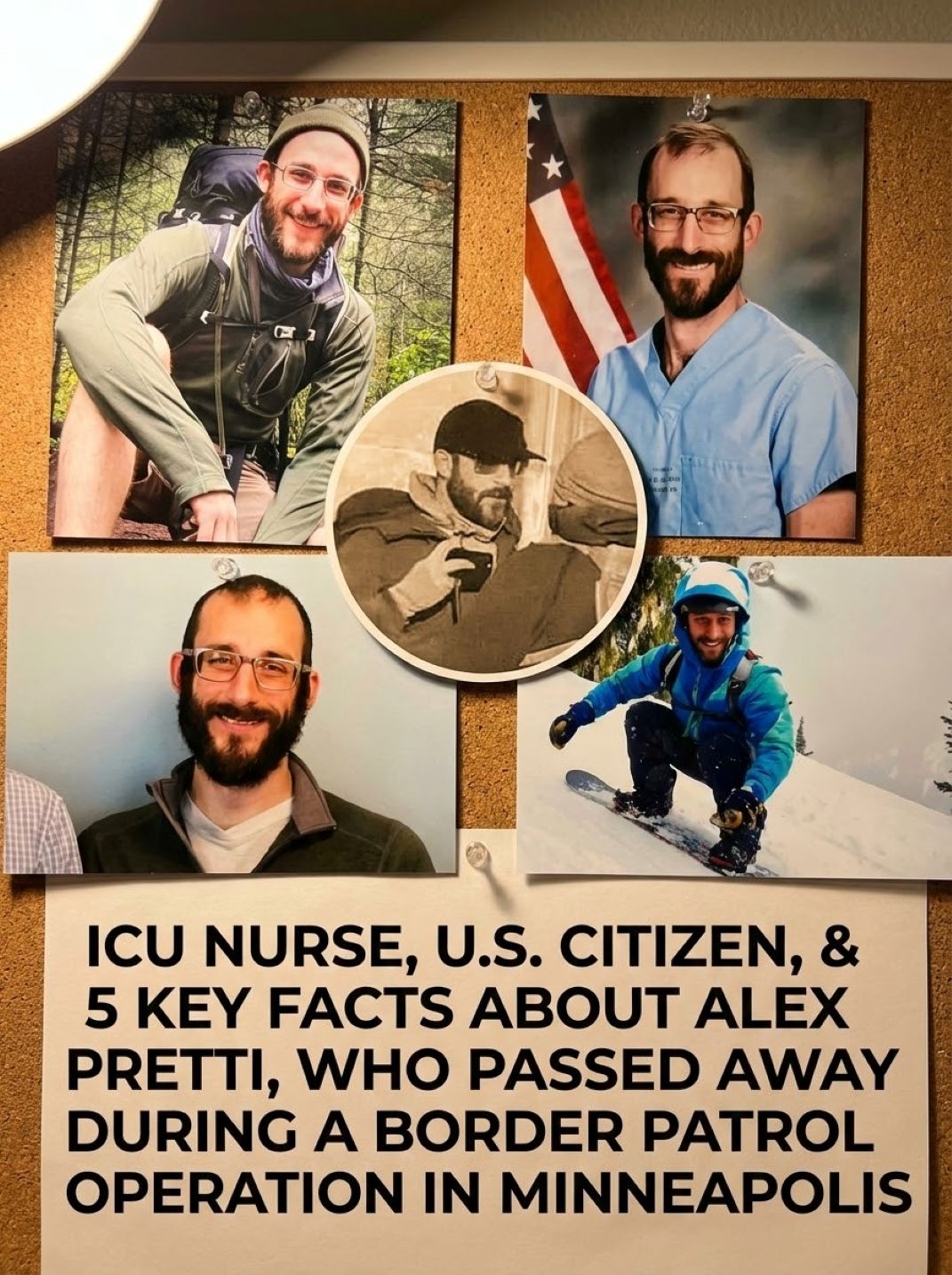
Minneapolis Confirms Identity of 37-Year-Old ICU Nurse Following Federal Enforcement Incident
Minneapolis officials have confirmed the identity of a 37-year-old man who died after an encounter with federal agents during an immigration enforcement operation in late January. The man has been identified as an intensive care unit nurse, a detail that has added a poignant dimension to an already sensitive case.
The confirmation of his identity marks a significant moment in a story that touches on immigration enforcement, community trust, and the human cost of policies debated in abstract terms but felt in very personal ones.
What Officials Have Confirmed
According to official statements, the 37-year-old was an ICU nurse working in the Minneapolis area. His death followed an encounter with federal agents conducting an immigration enforcement operation. The identification provides the public with a clearer picture of who was lost: not a statistic, but a healthcare worker who spent his professional life caring for critically ill patients.
Cases like this one typically involve multiple layers of official response:
- Local authorities confirm identity and coordinate with medical examiners.
- Federal agencies conduct internal reviews of their agents' actions.
- The medical examiner's office determines the official cause and manner of death.
- Community leaders respond to public concern and calls for transparency.
Each of these processes moves at its own pace, which can frustrate a public seeking quick answers. But thoroughness matters more than speed when the findings will shape policy and accountability.
The Human Story Behind the Headline
The detail that he was an ICU nurse resonates because of what ICU nurses represent. These are the healthcare workers who sit with the sickest patients, who comfort families in their darkest hours, who work long shifts in high-stakes environments. To learn that someone who dedicated his life to saving others died in an enforcement encounter creates a painful contrast that has moved many people.
His colleagues, patients, and community knew him as a caregiver. That identity doesn't determine the legal questions surrounding the incident, but it shapes the human response to it, and it reminds us that behind every such headline is a person with a life, relationships, and a community that grieves.
Why These Incidents Draw Intense Scrutiny
Enforcement encounters that result in death inevitably raise difficult questions, and this case is no exception:
- Use of force. What happened during the encounter? Was the level of force appropriate to the circumstances? These are the central questions any investigation must answer.
- Transparency. How quickly and fully do agencies share information? Delays and gaps in communication erode public trust.
- Policy context. Individual incidents occur within broader enforcement strategies. Understanding the policy helps the public evaluate the incident.
- Community impact. Enforcement operations affect entire communities, not just their direct targets. Fear and distrust can ripple outward, affecting people's willingness to seek healthcare, report crimes, or cooperate with authorities.
The Tension Between Enforcement and Community Trust
This case illustrates one of the most difficult tensions in immigration policy: the balance between enforcement objectives and the maintenance of community trust.
Healthcare workers, advocates, and community leaders have long warned that aggressive enforcement tactics can have chilling effects:
- People avoid medical care when they fear encounters with authorities, leading to worse health outcomes for entire communities.
- Witnesses stay silent when they distrust law enforcement, making all communities less safe.
- Families live in fear of routine activities: driving to work, taking children to school, visiting a hospital.
These effects are difficult to measure but widely reported by those who work in affected communities. They represent a real cost of enforcement strategies, one that policymakers must weigh alongside enforcement goals.
What Accountability Looks Like
When a death occurs during a federal enforcement operation, accountability typically involves several mechanisms:
- Internal agency investigation into whether policies and procedures were followed.
- Independent review, which may come from inspectors general, civilian oversight bodies, or, in some cases, the Department of Justice.
- Medical examiner findings establishing the facts of the death.
- Potential civil litigation by the family seeking answers and redress.
- Policy review examining whether the operation itself was appropriately planned and executed.
Each mechanism serves a different purpose, and together they're meant to ensure that the full truth emerges. The public's role is to insist that these processes run their course transparently.
How Communities Process Such Losses
For Minneapolis, this is not an abstract policy debate. It's a local tragedy involving a local healthcare worker. Community responses to such events often include:
- Vigils and memorials honoring the person lost.
- Calls for transparency from elected officials and community organizations.
- Policy advocacy aimed at preventing similar incidents.
- Support for the family, both emotional and practical.
- Difficult conversations about the relationship between federal enforcement and local communities.
These responses are part of how communities heal and how democracies hold power accountable.
The Takeaway
A 37-year-old ICU nurse is gone. Behind the policy debates and official statements is a family grieving, colleagues missing a trusted coworker, and patients who will never know the care he would have given them.
Whatever the investigation ultimately finds, this case is a reminder that enforcement policies have human consequences, and that those consequences deserve honest examination. Transparency, accountability, and a willingness to confront difficult truths are the minimum that the public should expect.
Frequently Asked Questions
What happens when someone dies during a federal enforcement operation?
The death is typically investigated by the medical examiner, the involved agency conducts an internal review, and independent oversight bodies may examine the incident. Findings can lead to policy changes or legal action.
How can the public get information about such incidents?
Through official statements, public records requests, press coverage, and statements from elected officials. Transparency varies, and community pressure often plays a role in how much is disclosed.
What is the role of a medical examiner in these cases?
The medical examiner determines the cause and manner of death through examination and investigation. These findings are factual and form the basis for further legal and policy review.
How do enforcement operations affect community trust?
Research and community reports indicate that aggressive enforcement can reduce trust in authorities, discourage people from seeking healthcare or reporting crimes, and create fear that affects daily life in entire neighborhoods.
What can community members do in response?
Attend public meetings, contact elected representatives, support the affected family, participate in peaceful advocacy, and stay informed through reliable news sources as investigations proceed.