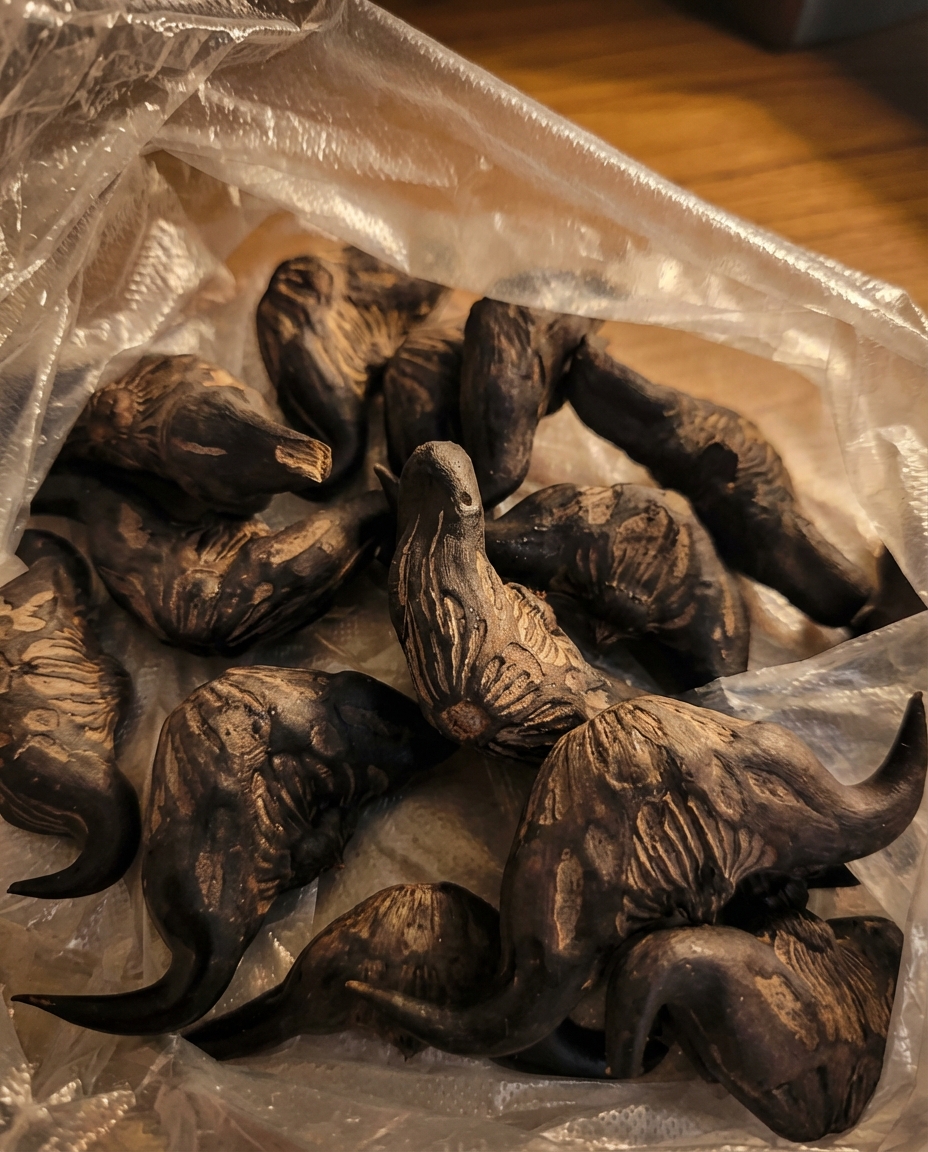
When a neighbor casually hands you a bag of fresh food with a friendly smile and no explanation, it instantly sparks curiosity. There’s no label, no instructions—just a quiet gesture that leaves you staring into the bag, wondering what you’ve been given and what you’re supposed to do with it. Should you cook it? Slice it? Eat it as-is?
Moments like these may seem small, but they have a way of pulling us out of our routines. What begins as confusion quickly turns into a little mystery rooted in everyday generosity. Before long, curiosity replaces hesitation, and you realize you’ve been invited into something more personal and old-fashioned than a quick trip to the grocery store.
In most cases, surprise bags like this come from simple abundance. Home gardens often produce more than one household can use, especially during peak growing season. Vegetables such as zucchini, cucumbers, green beans, squash, or okra can multiply almost overnight. Fruit trees behave the same way—figs, plums, citrus, and even tomatoes tend to ripen all at once, leaving growers eager to share before anything goes to waste. Fast-growing herbs like mint, basil, or parsley are also common giveaways, as they spread quickly and thrive with regular harvesting.
Sometimes, though, the food isn’t unfamiliar because it’s rare—it’s unfamiliar because it’s cultural. What looks mysterious to one person may be a staple ingredient in another household. Bitter greens, unique roots, seed pods, or small seasonal fruits often fall into this category. Sharing them isn’t meant to confuse you; it’s usually a practical and generous gesture, and sometimes even a quiet invitation to explore a new flavor or tradition. There’s no pressure to prepare it perfectly—curiosity is part of the experience.
If you’re unsure how to use what you’ve been given, simple methods are the safest place to start. Begin by washing the item thoroughly and, when appropriate, tasting a small raw piece to get a sense of its flavor and texture. Many vegetables shine when roasted with olive oil and a pinch of salt. Others work well sautéed with garlic or onion, or added to soups and stews where flavors naturally blend. If you’ve received more than you can use right away, pickling, freezing, or preserving can help extend its life.
In the end, the mystery bag isn’t a test of your cooking skills. It’s a reminder that food is still one of the simplest ways neighbors connect—sharing abundance, reducing waste, and quietly inviting one another to slow down, experiment, and enjoy something new.