The 2026 Winter Olympics officially opened in Milan with a spectacular ceremony that brought together athletes, officials, and fans from every corner of the world. Held at the historic San Siro Stadium, the event blended music, choreography, and cultural tributes that reflected both Italy’s heritage and the Olympic ideals of unity, respect, and international cooperation.
From the moment the ceremony began, the atmosphere was energetic and emotional. Performers filled the stadium with color and sound, while thousands of spectators celebrated the return of one of the world’s most anticipated sporting events. Organizers designed the program to highlight shared values and the dedication of athletes who have spent years preparing for the chance to compete on the Olympic stage.
However, in the days leading up to the opening ceremony, Milan had also seen heightened public discussion around international political issues. Small demonstrations in parts of the city drew attention from media outlets and added an extra layer of tension to an event traditionally centered on celebration. Olympic organizers repeatedly emphasized that the Games are meant to rise above political disagreements and remain focused on sport, unity, and peaceful competition.
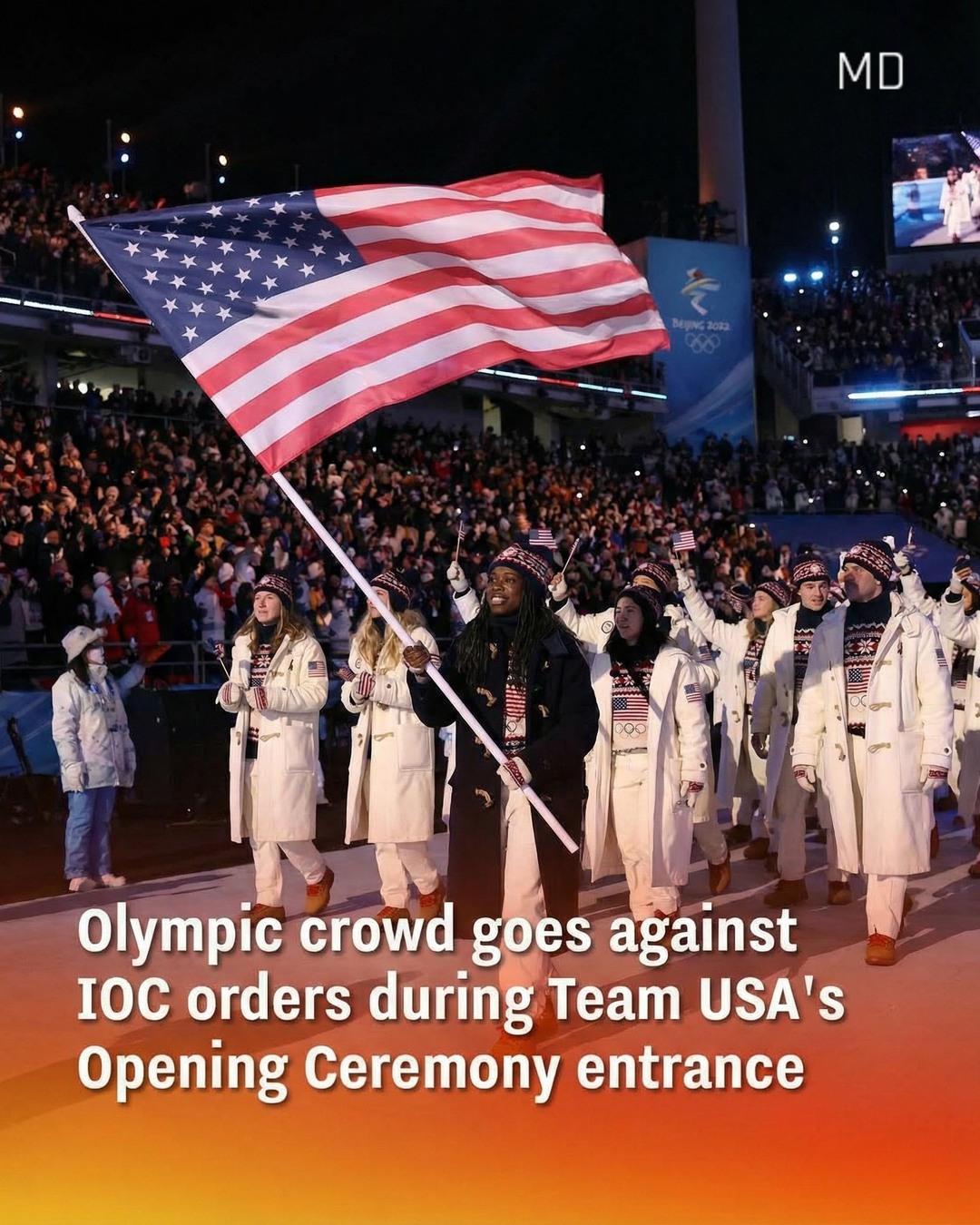
As delegations from around the world entered the stadium one by one, the crowd greeted each team with a mix of applause, cheers, and national pride. When Team USA made its entrance, the moment quickly became one of the most talked-about scenes of the evening. Representatives from the United States government attended the ceremony in place of the president, and when officials appeared briefly on the stadium’s large screens, reactions from sections of the audience were noticeable.
While many spectators applauded the American athletes, recognizing their hard work and dedication, others expressed differing views tied to broader global conversations. The reaction was not uniform, highlighting how international sporting events can sometimes reflect the diverse opinions of a global audience. Within minutes, clips and comments began circulating online, with viewers around the world sharing their interpretations of what they saw.
Social media platforms soon filled with discussions about whether major sporting ceremonies should remain entirely separate from political sentiment. Some users argued that the Olympics should focus solely on athletic achievement and global unity, while others pointed out that international events often exist within a wider real-world context. The online conversation continued well into the night, drawing attention from both sports fans and general audiences.
Outside the stadium, earlier demonstrations in the city had already underscored how global events can become focal points for public expression. At the same time, several athletes from different countries used their personal platforms to speak about issues affecting their communities back home. These posts sparked additional discussion about the balance between personal expression and the Olympic movement’s long-standing principle of political neutrality.
Olympic officials reiterated that clear guidelines are in place to ensure competitions remain centered on sport. They emphasized that while athletes are encouraged to express themselves responsibly, the Games are ultimately about fair play, mutual respect, and bringing nations together through athletic excellence.
Despite the surrounding debate, the opening ceremony succeeded in marking the start of another global sporting celebration. For the athletes, the parade into the stadium represented years of sacrifice, training, and perseverance. For fans, it was a reminder of why the Olympics continue to capture worldwide attention — offering moments of inspiration, cultural exchange, and shared excitement.
As the Winter Games move forward, organizers hope attention will gradually shift away from off-field discussions and toward the competitions themselves. Over the coming weeks, audiences can expect dramatic performances, personal triumphs, and stories of resilience unfolding across the venues. Even in challenging times, the Olympics aim to serve as a reminder that sport has the power to connect people across borders and differences, celebrating human potential on the world stage.