
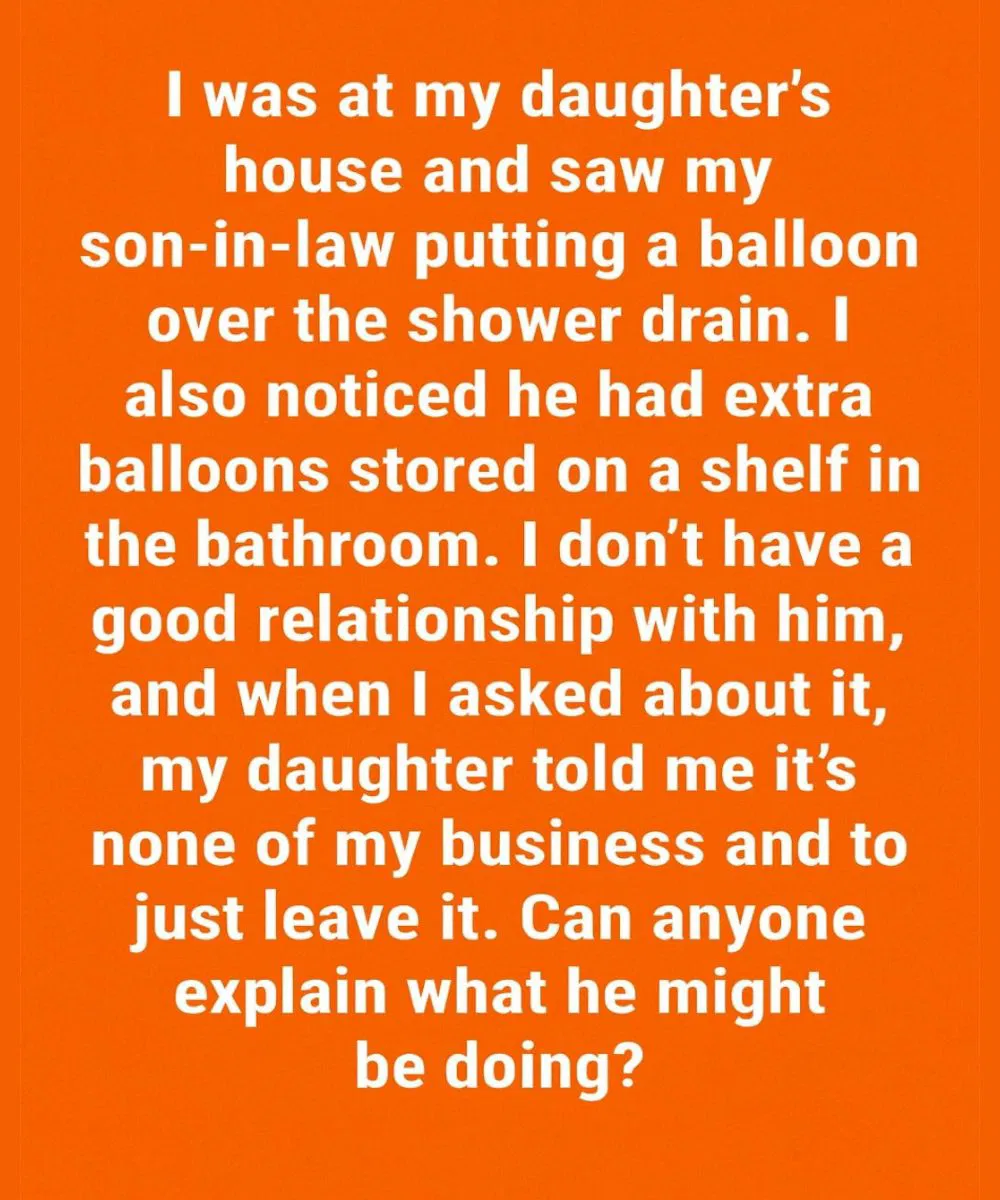
Place a Balloon Over Your Shower Drain and See What Happens: The Simple Hack Homeowners Swear By
If you keep your bathroom clean but still notice cockroaches appearing in your shower, you're not alone. Warm, humid environments naturally attract insects, and bathroom drains often become ideal entry points without most homeowners realizing it. A surprisingly effective solution involves nothing more than a regular party balloon. Though it may sound unusual, this simple trick has become popular because it offers an easy and inexpensive way to add extra protection to your shower area.
Why Cockroaches Enter Through Drains
Cockroaches often move through connected plumbing systems and can slip through extremely small openings. Damp shower drains make it even easier for them to climb upward. The inside of a drain pipe offers everything a cockroach wants: moisture, darkness, warmth, and a protected highway connecting different parts of a building.
In apartment buildings and connected homes, plumbing systems link multiple units. A cockroach problem in one apartment can travel through pipes to reach yours, no matter how clean you keep your bathroom. Shower drains are particularly vulnerable because they are wide, frequently wet, and often lack the tight seals found elsewhere.
By turning a balloon into a flexible seal, you can reduce the size of that opening while still allowing water to pass normally. The balloon acts as a one-way barrier: water flows down easily, but insects climbing up meet a flexible, clinging surface they cannot easily pass.
How the Balloon Method Works
The process is simple:
1. Remove your shower drain cover. Most covers lift off or unscrew with minimal effort.
2. Take a regular latex party balloon and trim both ends to create a stretchy open tube.
3. Wrap the tube tightly around the drain cover so it fits securely, creating a snug sleeve.
4. Reinstall the cover. The balloon forms a slimmer, protective channel inside the drain.
Once in place, the balloon sleeve narrows the passage. Water still drains normally because the flexible latex yields under water pressure. But a cockroach attempting to climb up encounters a smooth, tight, flexible barrier that is far harder to grip and squeeze past than an open pipe.
This hack costs almost nothing, requires no special tools, and takes only a few minutes. That combination of simplicity and effectiveness is why it has spread so widely among homeowners.
Improving the Results
This method becomes even more effective when paired with good bathroom habits. The balloon addresses the entry point, but reducing what attracts pests in the first place multiplies the benefit:
- Keep the shower area as dry as possible. Squeegee walls and floors after use to remove standing moisture.
- Wipe surfaces shortly after use. Less residual dampness means less attraction.
- Clean around the drain regularly. Hair, soap scum, and organic buildup provide food for insects. A clean drain is a less interesting drain.
- Run the bathroom fan during and after showers to vent humidity quickly.
- Fix drips and leaks promptly. Even a slow drip creates a permanent moisture source.
A less humid environment makes your bathroom far less inviting to insects. Cockroaches can survive a long time without food, but they need water constantly. Remove the moisture and you remove the main reason they visit.
Extra Prevention Tips
A quick inspection around your bathroom can also make a big difference. Tiny gaps near tiles, pipes, or walls may serve as entry points. Consider these additional layers of defense:
- Seal gaps with caulk. Check where pipes enter walls, around tile edges, and behind fixtures. Even small openings matter.
- Check under sinks and behind toilets. These hidden damp spots are favorite cockroach harborage areas.
- Use drain covers with fine mesh in addition to the balloon sleeve for double protection.
- Pour boiling water down drains weekly. This helps clear the organic buildup that attracts and feeds insects.
- Avoid leaving wet towels or bathmats bunched on the floor, which create humid hiding spots.
- Store toiletries in closed cabinets rather than on open damp surfaces.
When combined with the balloon technique and basic maintenance, this simple approach can significantly reduce unwanted pests and help keep your bathroom fresher and more comfortable.
Understanding Your Opponent
It helps to know what you are dealing with. The cockroaches most commonly found in bathrooms include:
- American cockroaches, large reddish-brown insects that prefer warm, damp areas like sewers and drains.
- Oriental cockroaches, dark and glossy, strongly attracted to moisture and often called "water bugs."
- German cockroaches, smaller and faster breeders, though they prefer kitchens, they will exploit bathroom moisture too.
All of them can flatten their bodies to squeeze through astonishingly small gaps. A cockroach can pass through a crack as thin as a coin. This is why physical barriers like the balloon sleeve work better than hoping a drain "looks" sealed.
When to Call a Professional
The balloon hack is excellent prevention, but it has limits. Call a pest control professional if:
- You see cockroaches regularly despite prevention efforts.
- You spot them during the day, which often signals a large infestation (they are normally nocturnal).
- You find droppings, egg cases, or a musty odor in the bathroom.
- The problem persists across multiple units in an apartment building, which requires coordinated treatment.
There is no shame in calling for help. Established infestations need professional-grade treatment, and the sooner you act, the easier and cheaper the solution.
Frequently Asked Questions
Does the balloon trick really keep cockroaches out of drains?
Many homeowners report good results. The balloon sleeve narrows the drain opening and creates a flexible barrier that is difficult for insects to climb past, while still allowing water to flow. It works best as part of a broader prevention routine, not as a standalone fix.
Will the balloon block water drainage?
No, when installed correctly. The latex is flexible and yields under water pressure, so shower water drains normally. If you notice slow drainage, check that the balloon tube is not twisted or bunched.
How often should I replace the balloon?
Check it every few weeks. Latex degrades with exposure to water, soap, and cleaning chemicals. Replace the balloon when it looks worn, stretched out, or discolored. Keeping a pack of balloons on hand makes this a seconds-long task.
Are there alternatives to the balloon method?
Yes. Fine-mesh drain covers, silicone drain seals, and one-way drain valves all serve a similar purpose. The balloon is simply the cheapest and most accessible option. For a more permanent solution, a silicone drain cover designed to block pests is worth considering.
Why do cockroaches like bathrooms so much?
Bathrooms offer the three things cockroaches need most: water, warmth, and shelter. Drains provide moisture and a travel network, while the humidity and hiding spots behind fixtures make bathrooms ideal harborage.
Can cockroaches come up through the toilet?
It is rare but possible, usually in cases of severe sewer infestations. Keeping toilet lids closed and maintaining intact wax seals and venting reduces this already small risk. Drain-focused prevention covers the far more common entry route.



