Renee Good Autopsy Findings: What We Know So Far
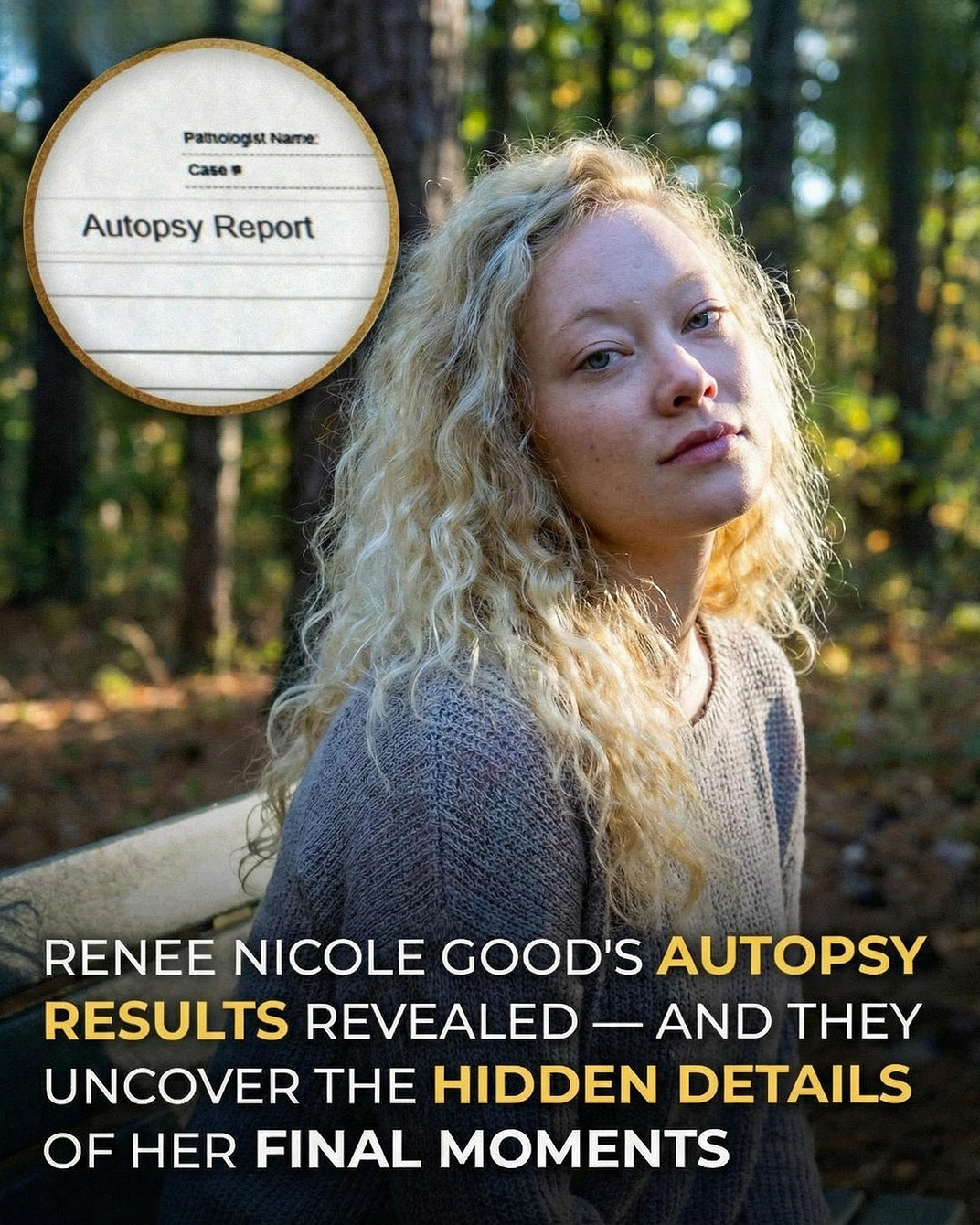
The death of Renee Good in early January has drawn widespread attention across Minneapolis and beyond. A mother, partner, and creative individual, Good's passing occurred during a winter morning incident that has since become the subject of a federal investigation. As authorities continue to review the circumstances, early medical findings and public statements have prompted ongoing discussion about accountability, transparency, and public safety.
The Role of the Autopsy in This Case
According to representatives for Good's family, an independent medical examination was requested to gain a clearer understanding of the events surrounding her death. While the full autopsy report has not yet been released to the public, attorneys say the findings will be significant in their civil case moving forward.
Requesting an independent autopsy is a common and important step in officer-involved death cases. Families often seek a second examination by a pathologist of their choosing because it provides an additional layer of scrutiny beyond the official medical examiner's findings. Independent autopsies can document injuries in detail, establish the sequence and trajectory of wounds, and offer expert interpretation that the family controls.
Federal officials, meanwhile, are conducting a separate review that includes witness statements, available video evidence, and internal reports. Authorities have indicated that the Immigration and Customs Enforcement agent involved acted in self-defense, a conclusion that has been questioned by community leaders and local residents who are seeking further clarification.
What Autopsies Can and Cannot Tell Us
In cases like this one, the medical examination serves several specific purposes.
- Cause and manner of death. The pathologist determines the medical cause (for example, gunshot wounds) and the manner (homicide, accident, natural, suicide, or undetermined). In officer-involved shootings, the manner is typically classified as homicide in the medical sense, which simply means death caused by another person, not that a crime occurred.
- Wound analysis. The number, location, and trajectory of wounds can help reconstruct positioning: where the deceased was, which direction they faced, and the angle of the shots.
- Timing. Medical findings can sometimes establish the sequence of injuries and the approximate time of death.
- Toxicology. Standard toxicology screening checks for substances that might have affected behavior or physiology.
What an autopsy cannot do is determine legal justification. Whether a use of force was lawful depends on the totality of circumstances: what the officer perceived, what the law allows, and how review bodies interpret the evidence. The medical findings are one critical piece of a much larger puzzle.
The Debate Over Transparency
As these investigations continue, differing perspectives have fueled public debate. Advocacy groups and neighbors have called for greater transparency from federal agencies, while legal teams on both sides emphasize that the review process is still ongoing. Officials have stated that more information will be shared once all evidence has been thoroughly evaluated.
This tension is familiar in high-profile use of force cases. Investigators argue that premature release of evidence can compromise witness testimony and the integrity of the review. Families and communities argue that secrecy breeds distrust, especially when the agency under review controls the flow of information.
Both concerns are legitimate, which is why independent examinations, civilian oversight, and eventual public reporting matter so much. Trust in the outcome depends heavily on trust in the process.
Remembering Renee Good
Outside of the legal process, friends and family remember Renee Good for the life she built and the people she loved. She was a writer, a mother of three, and an active presence in her neighborhood. Those close to her describe someone who valued creativity, family routines, and everyday moments. Her interests included storytelling, music, and art, and she was deeply involved in her children's lives and education.
In the days following her death, many shared memories online highlighting her kindness, creativity, and dedication to her family. These remembrances paint a picture of a full, engaged life: school routines, creative projects, neighborhood connections, the ordinary texture of a person embedded in a community.
The impact of her passing has been felt throughout the local community. Candlelight vigils were held near the site of the incident, bringing together neighbors who expressed shock and sorrow. Residents spoke about how the event has changed the atmosphere of a place once associated with normal daily life. For many, Good's story now represents broader concerns about law enforcement activity in residential areas and its effect on families and communities.
Why These Cases Take So Long
Families and communities often ask why official conclusions take months. Several factors contribute.
- Multiple parallel reviews. Criminal, civil, and internal administrative reviews may proceed simultaneously but independently.
- Evidence processing. Ballistics, video enhancement, and forensic analysis take time.
- Witness coordination. Investigators must interview witnesses separately to avoid contamination.
- Legal strategy. Both sides are typically preparing for potential civil litigation, which affects what is disclosed and when.
- Jurisdictional complexity. Federal involvement adds layers of procedure beyond typical local investigations.
The slowness is frustrating, but rushing risks errors that would undermine whatever conclusions are eventually reached.
What Comes Next
As investigators work toward official conclusions, Renee Good's family continues to seek answers while honoring her memory. The attorneys' statement that the independent findings will be significant in the civil case suggests the medical evidence will play a central role in whatever legal proceedings follow.
For those who knew her, she is remembered not for the circumstances of her death, but for the life she lived: as a devoted parent, a creative spirit, and a valued member of her community. Whatever the investigations conclude, that legacy belongs to her family and neighbors, not to any report.
Frequently Asked Questions
What is known about the autopsy findings so far?
The family requested an independent medical examination. The full autopsy report has not been publicly released, but family attorneys say the findings will be significant in their civil case.
Why do families request independent autopsies?
To obtain an additional expert examination independent of official channels, providing detailed documentation of injuries that the family controls and can use in legal proceedings.
What has the federal review concluded?
Federal officials are conducting a review including witness statements, video evidence, and internal reports. Authorities have indicated the agent acted in self-defense, a conclusion questioned by community leaders seeking further clarification.
How is Renee Good remembered?
As a writer, mother of three, and active neighborhood presence who valued creativity, family routines, storytelling, music, and art, and who was deeply involved in her children's lives.
Why do these investigations take so long?
Parallel criminal, civil, and administrative reviews, forensic processing, witness coordination, legal strategy, and federal jurisdictional complexity all extend timelines.