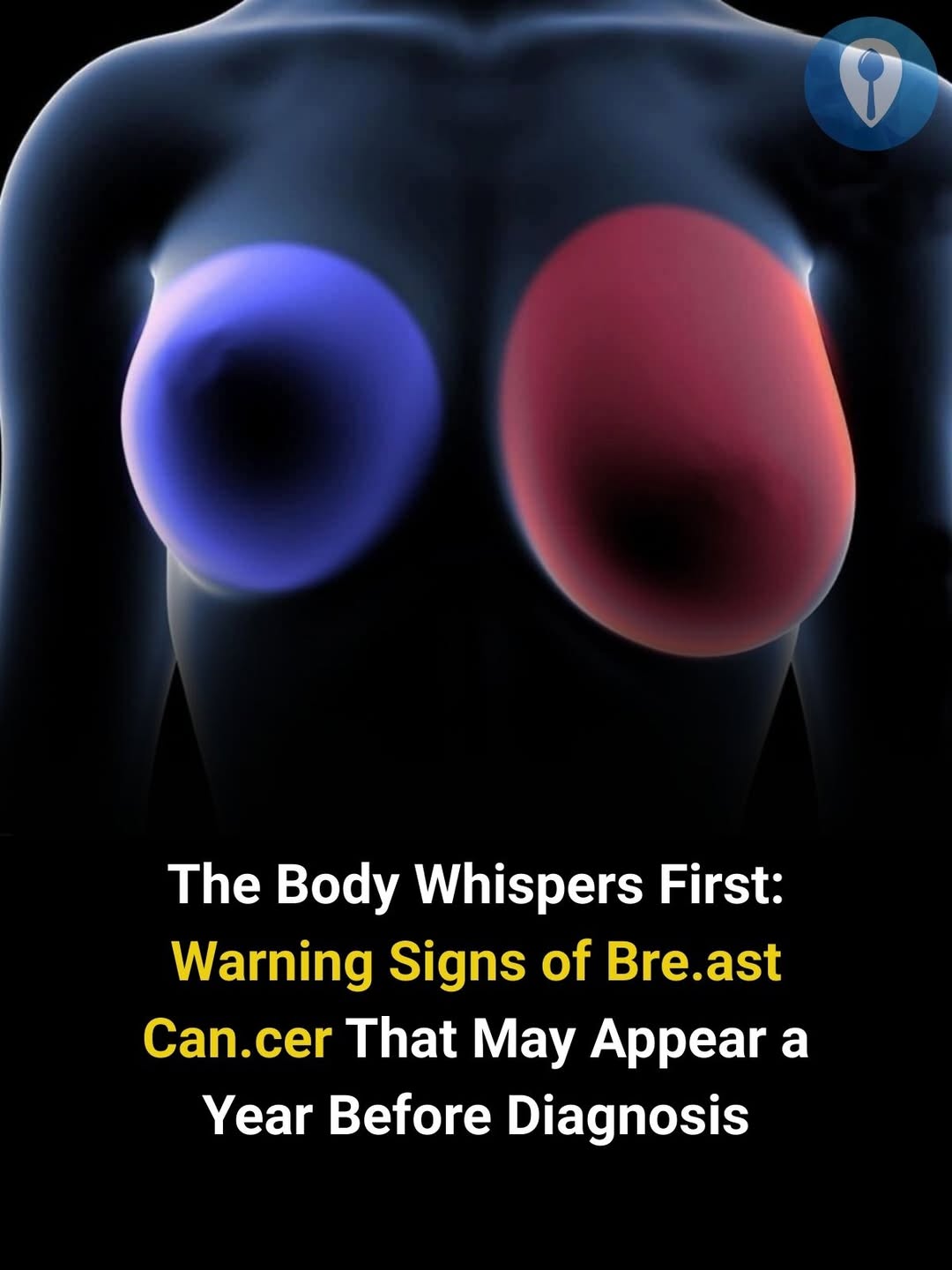
Early awareness can play an important role in identifying health concerns sooner and improving outcomes.
Understanding early changes in conditions like Breast cancer is essential because they often develop gradually rather than appearing suddenly. In many cases, the body may show small and subtle changes long before anything is detected through routine screenings. These early signs are sometimes mistaken for normal hormonal shifts or minor issues, which is why they can go unnoticed. Staying informed and paying attention to your body can make a real difference.
Subtle physical changes are often the first signals. Not all cases begin with a noticeable lump. Some individuals experience mild but persistent discomfort such as tenderness in one area, slight swelling, or a feeling of heaviness. Others may notice a firm or thickened area that feels different from surrounding tissue. Because these changes are often painless, they can be easy to ignore at first.
The skin and nipple area can also reveal early signs. The breast may develop redness, irritation, or a dimpled texture over time. Some people notice changes around the nipple, including inversion, unusual discharge, or dryness and flaking. While these symptoms can have harmless explanations, any change that persists should be evaluated by a healthcare professional.
In certain cases, swelling may occur without a clearly defined lump. This can include a gradual change in breast size or shape, or a feeling of fullness in the underarm area. When these changes affect only one side and do not go away, they may require further attention. Because they often develop slowly, they are sometimes mistaken for natural body changes.
Some individuals also report more general symptoms such as ongoing fatigue or mild, unexplained discomfort in the chest or upper body. These signs are not specific and can be linked to many different conditions, but when they persist, they should not be overlooked.
Awareness remains one of the most important factors in early detection of Breast cancer. When identified early, there are often more treatment options available and outcomes tend to be better. Routine screenings are essential, but understanding your own body and noticing unusual changes is equally important.
Listening to your body’s signals is not about fear, but about being informed. Small and consistent changes can be early indicators that something needs attention. Seeking medical advice when something feels unusual is a responsible step toward protecting your health.