Why Your Jewelry Looks Dull: And the Easy Fix Hiding in Your Kitchen
Jewelry doesn't lose its shine all at once. Over time, favorite rings, necklaces, and bracelets can start to look dull as everyday exposure takes its toll. The good news is that restoring their sparkle doesn't require expensive products or professional cleaning. Simple items from your kitchen can often do the job effectively.
Bring Back the Shine: Easy DIY Jewelry Cleaning at Home
It's common to assume that once jewelry loses its brightness, it needs expert care. In reality, many types of tarnish can be safely removed at home using gentle, accessible ingredients. With the right method, you can refresh your pieces and keep them looking their best.
Professional jewelers clean thousands of pieces a year, but much of what they do for routine tarnish uses the same principles you can apply at home: gentle chemistry, soft tools, and patience. Understanding why jewelry dulls is the first step to keeping it bright.
Why Jewelry Loses Its Shine
Materials like sterling silver, gold-filled metals, brass, and German silver can naturally tarnish over time. The culprits are everyday and unavoidable:
- Air exposure. Silver reacts with sulfur compounds in the air, forming a dark layer of silver sulfide. This is tarnish.
- Moisture. Humidity and water accelerate chemical reactions on metal surfaces.
- Body chemistry. Skin oils and sweat vary by person, which is why some people's jewelry tarnishes faster.
- Lotions, perfumes, and hair products. These leave a thin layer of residue on the surface, dulling shine and sometimes reacting with metals.
- Chlorine and salt water. Pools and oceans are harsh on most jewelry metals and should be avoided.
This buildup reduces shine, but it isn't permanent and can often be reversed with proper care. The key is matching the cleaning method to the metal and being gentle with stones and settings.
A Simple Household Cleaning Method
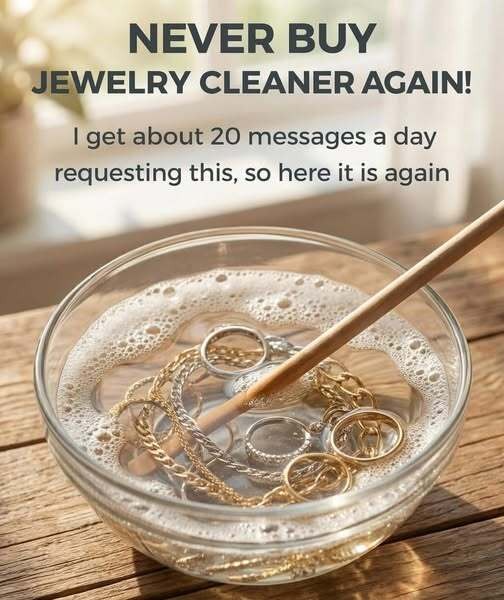
A practical way to clean jewelry at home involves a combination of aluminum foil, baking soda, salt, mild dish soap, and hot water. This method uses a gentle electrochemical reaction that helps lift tarnish from metal surfaces without harsh scrubbing.
Here's how to do it step by step:
1. Line a small bowl with aluminum foil, making sure the shiny side faces up.
2. Heat enough water to fully cover your jewelry (hot, not boiling).
3. Pour the water into the bowl. Add one tablespoon of baking soda and one tablespoon of salt, stirring until dissolved.
4. Mix in a few drops of mild dish soap to help remove oils and residue.
5. Place your jewelry into the bowl, ensuring each piece touches the foil. This contact is essential: the reaction transfers tarnish from the metal to the foil.
6. Wait and watch. You may notice slight bubbling, a normal sign the reaction is working. Light tarnish may disappear in just a few minutes; heavier buildup can take up to ten minutes.
7. Rinse each piece under cool water and dry with a soft, lint-free cloth.
8. Gently polish the surface to bring back its natural shine.
If your jewelry includes delicate stones or glued settings, it is safer to use a gentler cleaning method instead. Hot water and chemical reactions can loosen glue and damage porous stones like pearls, opals, and turquoise.
Why This Method Is Effective
This cleaning approach works through ion exchange: the aluminum foil attracts the sulfur compounds causing the tarnish, effectively pulling them off the silver or metal surface. It works well for several common metals and allows multiple pieces to be cleaned at the same time. It is a practical and budget-friendly option that avoids harsh chemicals while still delivering visible results.
Unlike abrasive polishes, which remove tarnish by grinding away a microscopic layer of metal, this method is non-abrasive. That makes it gentler on your jewelry over repeated cleanings.
Gentler Methods for Delicate Pieces
Not all jewelry can handle the foil bath. For delicate items, try these alternatives:
- Warm water and mild dish soap. Soak for 15 to 20 minutes, then gently brush with a soft toothbrush, rinse, and dry. Safe for most pieces.
- Soft polishing cloth. A jeweler's polishing cloth, impregnated with gentle cleaning agents, is ideal for quick touch-ups on gold and silver.
- Pearls and porous stones. Wipe with a damp soft cloth only. Never soak pearls, and keep them away from chemicals, perfumes, and hairspray.
- Heavily tarnished antiques. When in doubt, consult a professional jeweler. Antique finishes and patinas are sometimes intentional and shouldn't be stripped.
Keeping Jewelry Bright Longer
Cleaning restores shine, but prevention keeps it. These habits slow tarnish dramatically:
- Put jewelry on last. Apply lotion, perfume, and hairspray first, let them dry, then add jewelry.
- Remove jewelry for chores, swimming, and workouts. Chemicals, chlorine, and sweat are tarnish accelerators.
- Store pieces separately in soft pouches or a lined jewelry box. Metals scratch each other, and separate storage reduces air exposure.
- Use anti-tarnish strips in your jewelry box. These absorb the sulfur compounds that cause tarnish.
- Wear your silver. Paradoxically, frequently worn silver tarnishes more slowly, because skin contact and friction polish it naturally.
- Wipe after wearing. A quick wipe with a soft cloth removes oils and residue before storage.
Final Thoughts
Taking care of your jewelry at home is a simple way to maintain its appearance and extend its lifespan. Regular cleaning keeps your collection looking bright and gives you a chance to check for any signs of wear: loose stones, worn prongs, thinning bands. Catching these early prevents loss and costly repairs.
With just a few basic ingredients and a little time, your jewelry can stay polished and ready to wear whenever you need it. The sparkle was never really gone. It was just waiting under a thin layer of everyday life.
Frequently Asked Questions
Why does sterling silver tarnish?
Sterling silver reacts with sulfur compounds in the air and on the skin, forming silver sulfide, a dark layer on the surface. This is a natural chemical process, not a sign of poor quality. Higher humidity, certain foods, and body chemistry can accelerate it.
Is the baking soda and foil method safe for all jewelry?
No. It's best for solid silver, gold-filled, brass, and similar metals. Avoid it for pearls, opals, turquoise, emeralds, and any pieces with glued settings, as hot water and the chemical reaction can damage stones and loosen adhesives.
How often should I clean my jewelry?
Pieces worn daily benefit from a quick wipe after each wearing and a deeper clean every few weeks. Occasionally worn items can be cleaned before wearing. Regular light maintenance prevents heavy tarnish buildup.
Can I wear jewelry in the pool or ocean?
It's best not to. Chlorine can damage gold alloys and discolor gemstones, while salt water is corrosive to many metals. Remove jewelry before swimming to protect it.
What's the best way to store jewelry to prevent tarnish?
Store pieces separately in soft pouches or a lined box, in a cool dry place. Anti-tarnish strips absorb sulfur compounds. Avoid storing in bathrooms, where humidity is high.
When should I take jewelry to a professional?
For valuable pieces, antiques with intentional patina, heavily damaged items, loose stones, or anything you're unsure about. Professional jewelers can also inspect prongs and settings during cleaning, catching problems before stones are lost.