
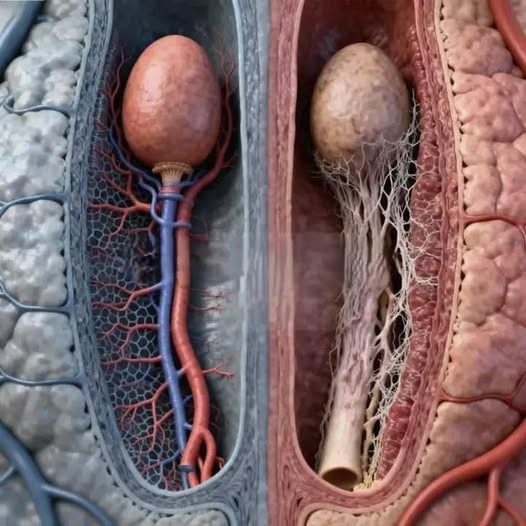
Your body works around the clock to keep you healthy, often without you even noticing. Among the most important yet frequently overlooked organs are the kidneys: small, powerful filters that play a vital role in maintaining overall balance and wellness. They rarely get the attention that the heart or brain receives, yet without them, the body could not function for long.
This expanded guide covers what the kidneys do, why their problems are so easy to miss, the subtle signs worth knowing, and the everyday habits that support these quiet workhorses.
Silent but Vital: Why Kidney Health Matters
Many people expect serious health issues to come with clear warning signs. However, the kidneys are different. They operate quietly, adapting and compensating over time, which means problems can develop without obvious symptoms.
The kidneys perform several essential functions. They filter waste from the blood, regulate fluid levels, balance important minerals, and help produce hormones that support healthy blood pressure and red blood cell production. Because they work so efficiently, it is easy to take them for granted, but that also makes early damage harder to detect.
To appreciate the scale of the job: each kidney contains around a million tiny filtering units, and together they process a remarkable volume of blood every single day, removing waste and excess substances while keeping what the body needs. They also help control the body's acid balance, manage levels of minerals like sodium, potassium, and calcium, and produce hormones that influence blood pressure and stimulate red blood cell production. Few other organs multitask at this level.
Subtle Signs You Shouldn't Ignore
Kidney issues often develop gradually. In many cases, noticeable symptoms only appear after significant changes have already occurred. Some signs that may indicate a problem include persistent fatigue, swelling in the hands, feet, or face, changes in urination patterns, and elevated blood pressure. If you notice any of these, it is important to seek medical advice for proper evaluation.
Here is what each of these signals can look like in daily life:
- Persistent fatigue: Feeling drained despite adequate rest can reflect many things, but it is one of the more common early complaints when kidney function declines.
- Swelling: Puffy hands, feet, ankles, or face, especially swelling that is worse in the morning or does not go away, can signal that the body is retaining fluid it should be releasing.
- Changes in urination: Needing to urinate more or less often, getting up frequently at night, foamy or bloody urine, or difficulty urinating are all changes worth reporting.
- Elevated blood pressure: High blood pressure and kidney problems feed each other in a cycle, so blood pressure that is hard to control deserves a closer look at kidney health.
- Other possible signs: Loss of appetite, nausea, itchy skin, difficulty concentrating, and muscle cramps can also appear as kidney function changes.
The key pattern is persistence. A single swollen ankle after a long flight is normal. Swelling that appears regularly without a clear cause is not.
Everyday Habits That Impact Kidney Health
Modern lifestyles can place extra strain on the kidneys over time. Diets high in salt and sugar, lack of physical activity, ongoing stress, and improper use of medications can all contribute to reduced kidney efficiency. Even small factors, such as not drinking enough water or dealing with long-term inflammation, may gradually affect how well your kidneys function.
Let us look at each of these more closely:
- Too much salt: Excess sodium makes the body retain water and raises blood pressure, both of which burden the kidneys. Processed foods, restaurant meals, and packaged snacks are the biggest hidden sources.
- Too much sugar: Diets high in added sugar contribute to weight gain and blood sugar problems, which are leading risk factors for kidney damage over time.
- Inactivity: Regular movement supports healthy blood pressure and blood sugar, two of the most important protectors of kidney function.
- Chronic stress and poor sleep: These affect blood pressure, inflammation, and hormonal balance, all of which touch the kidneys.
- Medication misuse: Overusing certain pain relievers or ignoring dosage instructions can harm the kidneys. Always follow recommended dosages and consult a healthcare professional when needed.
- Low water intake: The kidneys need adequate fluid to flush waste effectively. Chronic low intake makes their job harder.
Simple Steps to Support Your Kidneys
Taking care of your kidneys doesn't have to be complicated. Staying hydrated helps your kidneys filter waste effectively, while choosing balanced meals and limiting heavily processed foods can reduce unnecessary strain. Regular physical activity supports healthy blood pressure and blood sugar levels, and routine health checkups can help detect potential issues early. It is also important to use medications responsibly by following recommended dosages and consulting a healthcare professional when needed.
A practical weekly checklist:
- Drink enough water. Aim for steady hydration through the day rather than large amounts all at once. Pale yellow urine is a rough guide to adequate intake.
- Cook more, process less. Home-cooked meals give you control over salt, sugar, and additives.
- Move daily. Even walking counts. Consistency beats intensity for long-term kidney protection.
- Watch your blood pressure and blood sugar. Know your numbers and keep up with checkups, since these are the two biggest controllable risk factors.
- Limit alcohol and avoid tobacco. Both strain the cardiovascular system and, by extension, the kidneys.
- Be medication-aware. Read labels, respect dosages, and ask your pharmacist or doctor about kidney effects, especially if you take pain relievers regularly.
- Get routine blood and urine tests. Simple lab tests can detect kidney changes long before symptoms appear, which is exactly why regular checkups matter so much for these silent organs.
Protecting Your Long-Term Health
Your kidneys may work silently, but their impact on your health is significant. By paying attention to daily habits and taking preventive steps, you can support these essential organs and promote overall well-being for years to come. Prioritizing kidney health today is a simple yet powerful way to protect your body's natural balance and maintain a healthier future.
Think of kidney care as maintenance rather than repair. The habits that protect the kidneys, balanced eating, regular movement, good hydration, healthy blood pressure, are the same habits that protect the heart, brain, and metabolism. Caring for these overlooked organs is really just caring for the whole system they keep in balance.
Frequently Asked Questions
Can kidney problems really have no symptoms?
Yes, especially in the early stages. The kidneys compensate remarkably well, which is why routine lab tests are the most reliable way to catch changes early.
How much water should I drink for kidney health?
Needs vary with activity level, climate, body size, and health conditions. A steady intake through the day that keeps urine pale yellow is a reasonable general guide. People with existing kidney or heart conditions should follow their doctor's specific advice.
Are high-protein diets bad for the kidneys?
For healthy kidneys, normal protein intake is generally fine. Very high protein intake over long periods may add strain, and people with existing kidney issues often need to moderate protein. Discuss your diet with a healthcare professional if you have concerns.
Do energy drinks or sodas harm the kidneys?
Sugary drinks contribute to weight gain and blood sugar problems, which are risk factors for kidney damage. Some contain high levels of caffeine or additives as well. Water remains the best default choice.
When should I ask my doctor about my kidneys?
At your next checkup, especially if you have high blood pressure, diabetes, a family history of kidney disease, or any of the persistent symptoms described above. A simple blood and urine test is all it takes to start.
The Bottom Line
The kidneys are the definition of overlooked but essential: two small organs filtering, balancing, and regulating around the clock without asking for attention. Because they suffer in silence, the responsibility falls on us to notice the subtle signs, keep up with checkups, and build the daily habits that keep them working well. Hydrate, eat thoughtfully, move regularly, use medications wisely, and know your numbers. Your kidneys will handle the rest.
This article is for informational purposes only and is not medical advice. Please consult a qualified professional.

