The Charlie Kirk Assassination: A Nation in Shock and Search for Answers
The United States is still reeling from the tragic loss of Charlie Kirk, the 31-year-old conservative activist who was fatally shot during a public appearance at Utah Valley University on September 10. His untimely death has sparked widespread conversations about political violence, the justice system, and the power of public opinion in today's fast-moving media landscape.
What Happened
According to reports, Kirk was appearing at a public event on the university campus when he was shot. He was 31 years old, a husband, a father, and one of the most recognizable young conservative voices in the country. His death sent shockwaves far beyond his own political movement, drawing condemnation from figures across the political spectrum and prompting a national reckoning with the state of political discourse.
Public appearances by prominent figures always carry security considerations, and the fact that this attack occurred in an open campus setting has raised difficult questions about how public events are protected and what more can be done to keep speakers and audiences safe.
The Investigation and the Suspect
Just two days later, on September 12, federal investigators identified Tyler Robinson, a 22-year-old from southern Utah, as the primary suspect. Authorities have linked the incident to political motives, yet the arrest has divided Tyler's community, raising painful questions about guilt, innocence, and the nature of justice.
The speed of the identification was notable. In high-profile cases, investigators typically work under enormous public pressure, balancing the need for swift answers against the need to get it right. The early naming of a suspect inevitably shapes public perception long before a courtroom ever convenes, which is why legal experts consistently urge caution about drawing conclusions from initial reports.
A Grandmother's Defense
Among those speaking out on Tyler's behalf is his grandmother, Debbie Robinson. She describes him as quiet, respectful, and uninterested in politics. According to her, he has never owned a firearm, never shown aggression, and would not have the skills required to carry out such an attack. To Debbie, the accusations seem unimaginable.
Her voice represents something deeply human in this story: the collision between a family's private knowledge of a person and the public's image of a suspect. Families of accused individuals often describe a painful dissonance, the person they know at the dinner table versus the person described in charging documents. Debbie Robinson's insistence that authorities have "the wrong man" echoes the uncertainty many feel as the public awaits answers.
It is worth remembering that family members are not neutral observers, but neither are they irrelevant ones. Their testimony about character, habits, and history can become significant in legal proceedings, even as investigators weigh it against physical evidence.
The Case Against Tyler
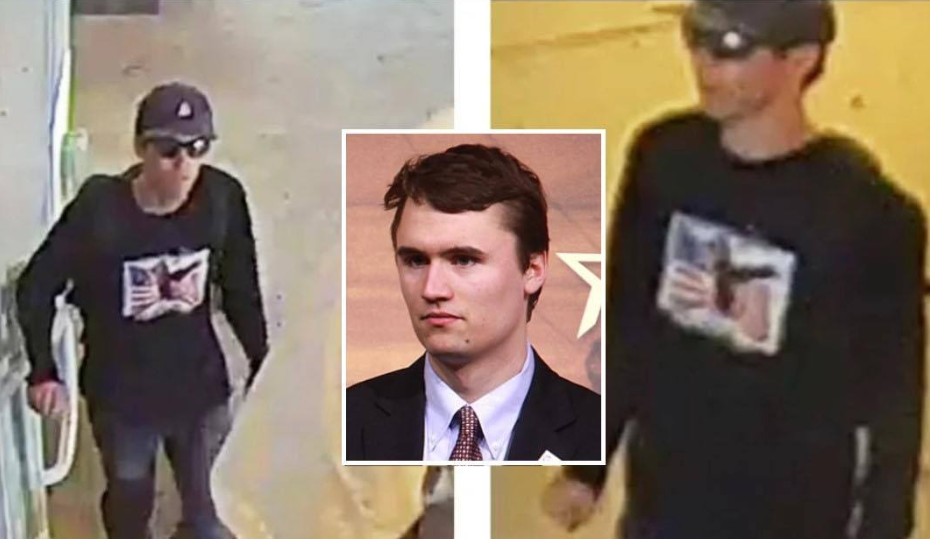
Investigators, however, report finding physical evidence that connects Tyler to the crime scene, including a rifle, prints, and video footage showing someone matching his description near the location. Officials have also stated that a family member's tip helped guide them to Tyler, though many details of the investigation remain undisclosed.
Utah Governor Spencer Cox suggested that Tyler had recently expressed stronger political views, which some interpret as signs of possible radicalization. Debbie rejects that claim, insisting her grandson consistently avoided political debates and discussions.
This tension, between the physical evidence described by authorities and the character described by family, is at the heart of why this case has gripped the nation. Both cannot be fully true in the way each side presents them, and the process of resolving that contradiction is what trials are for.
What the Trial Could Bring
Legal experts predict the defense will highlight Tyler's clean record, lack of weapons training, and strong community support. On the other hand, prosecutors are expected to focus on forensic evidence, the recovered weapon, and family testimony to make their case.
High-profile trials of this nature typically involve several phases that the public should understand:
- Pre-trial proceedings, where evidence is examined and its admissibility is challenged.
- Jury selection, which is especially difficult when a case has saturated media coverage.
- Presentation of forensic evidence, including weapons, prints, and digital records.
- Witness testimony, from investigators, experts, and character witnesses.
- Deliberation, where jurors must set aside public narrative and weigh only what was presented in court.
This unfolding legal battle will not only determine Tyler's fate but may also influence the broader national conversation about justice, fairness, and political division.
Families in Grief
The tragedy has devastated two families in different ways. Charlie Kirk's loved ones are mourning the heartbreaking loss of a husband, father, and public figure. Meanwhile, the Robinson family faces the painful possibility of losing a son and grandson to a lengthy prison sentence, or worse, if the case does not turn in his favor.
It is easy, in the glare of a national story, to forget that both families are living through private nightmares. Grief does not check political affiliation. The Kirk family lost someone irreplaceable in an instant. The Robinson family watches a young man they love face the full weight of the justice system. Compassion for both is not contradiction, it is humanity.
The Broader Conversation About Political Violence
Kirk's assassination has intensified an already urgent national conversation about political violence. Scholars who study the issue point to several contributing factors in the current climate:
- Dehumanizing rhetoric that frames political opponents as enemies rather than fellow citizens.
- The speed of social media, which rewards outrage and spreads misinformation before facts are established.
- Erosion of shared institutions that once mediated disagreement.
- Easy access to weapons combined with public events that are difficult to fully secure.
Addressing political violence requires more than condemnation after the fact. It requires a sustained commitment, from leaders, media, and ordinary citizens, to disagree without dehumanizing.
A Nation Awaits
As the court process moves forward, Debbie Robinson continues to insist that her grandson is innocent, expressing her deep belief that authorities have "the wrong man." Her words echo the uncertainty many feel as the public awaits answers. For now, the nation watches closely, waiting to see whether the investigation will confirm Tyler's guilt, or reveal that his grandmother's faith in him was justified.
Whatever the outcome, this case will be remembered as a turning point: a moment when the country was forced to confront what political violence costs, who pays the price, and what it will take to step back from the edge.
Frequently Asked Questions
What happened to Charlie Kirk?
According to reports, Charlie Kirk, a 31-year-old conservative activist, was fatally shot during a public appearance at Utah Valley University on September 10. His death drew widespread condemnation and sparked national debate about political violence.
Who is the suspect in the case?
Federal investigators identified Tyler Robinson, a 22-year-old from southern Utah, as the primary suspect on September 12, two days after the shooting. Authorities have linked the incident to political motives.
What evidence have investigators described?
Officials have reported finding physical evidence connecting the suspect to the scene, including a rifle, prints, and video footage. A family member's tip reportedly helped guide investigators. Many details remain undisclosed as the case proceeds.
What does the suspect's family say?
His grandmother, Debbie Robinson, describes him as quiet, respectful, and uninterested in politics, and insists authorities have the wrong man. She says he never owned a firearm and lacked the skills to carry out such an attack.
What legal arguments are expected at trial?
Legal experts anticipate the defense will emphasize the suspect's clean record, lack of weapons training, and community support, while prosecutors focus on forensic evidence, the recovered weapon, and testimony.
Why has this case drawn so much national attention?
Beyond the loss of a prominent public figure, the case touches on urgent national concerns: political violence, the fairness of the justice system under public pressure, media responsibility, and the deep political divisions in American society.