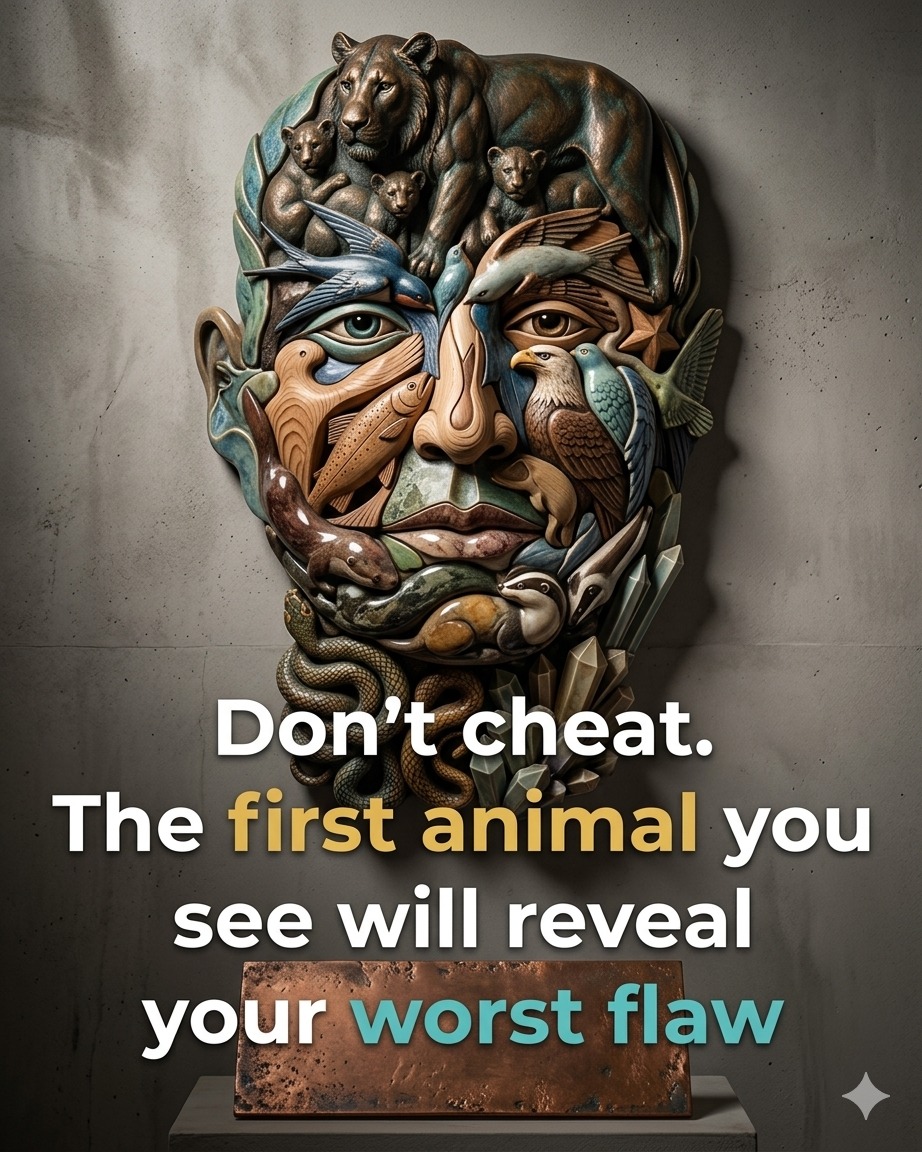
In today’s world of viral content, few things grab attention like visual personality tests. One of the most popular trends online is the “first animal you see” illusion—an interactive experience that claims to reveal a hidden personality trait based on what you notice first.
But how accurate is it, and why do so many people find it fascinating? Let’s break down the psychology behind this trend and why it continues to capture millions of views.
What Is the “First Animal You See” Test?
The idea is simple. You’re shown an image filled with hidden animals, and without overthinking, you choose the first animal that stands out to you. Based on your choice, the test suggests a personality trait, often presented as an area for self-improvement.
While it may feel insightful, these tests are mainly created for entertainment. They rely on how the brain processes visual information rather than offering a scientific personality evaluation.
Why People See Different Animals
Our brains are designed to interpret images quickly by focusing on patterns and familiar shapes. This process is influenced by past experiences, mood, and personal tendencies. Because of this, two people can look at the same image and notice completely different animals within seconds.
Common Interpretations
These tests usually connect each animal with a general personality trait. For example, seeing a lion might suggest confidence and leadership, while also hinting at stubbornness. A rabbit is often linked to sensitivity or overthinking. A bird may represent independence but can also suggest restlessness. A snake is sometimes associated with caution or difficulty trusting others. An elephant often symbolizes loyalty and wisdom, but it may also indicate holding onto the past.
It’s important to remember that these meanings are broad and meant for fun rather than accurate analysis.
The Psychology Behind the Trend
The popularity of these tests can be explained by the Barnum Effect. This concept describes how people tend to accept general statements as personally meaningful. Even vague descriptions can feel very accurate because they apply to many individuals.
These tests also appeal to natural curiosity. People enjoy discovering new perspectives about themselves, even in a light and entertaining way.
Entertainment vs. Real Personality Insights
Although these visual tests can feel revealing, they should not be treated as serious evaluations. Real personality insights usually come from structured methods developed by professionals in psychology.
However, that doesn’t mean these tests have no value. They can still offer moments of reflection and self-awareness when taken lightly.
Can These Tests Be Helpful?
In some cases, yes. Even without scientific accuracy, they can encourage you to think about your behavior. If a result suggests impatience or caution, it might lead you to reflect on whether that applies to your real life.
This makes the experience more of a personal reflection tool rather than a final conclusion.
Why These Tests Go Viral
These visual tests perform well on social media because they capture attention quickly and invite interaction. They encourage people to comment, compare answers, and share with friends. Their simplicity and relatable nature make them easy to spread in fast-moving online spaces.
Final Thoughts
The “first animal you see” test combines psychology, illusion, and entertainment in a way that keeps people engaged. While it may not truly define your personality, it highlights how unique human perception can be.
The next time you see one of these images, try it for fun. The result might not define who you are, but it can still offer an interesting moment of self-reflection.